The Pest Files
A crash course on all the critters, creepers, and crawlers common to Bowling Green, Kentucky.
This pest library covers the 37 pests we run into most often in Bowling Green and the rest of Warren County, Kentucky. Each page explains how to identify the pest, where it hides, the signs you have a problem, whether it's dangerous, and how to keep it out of your home.
Not sure what you found? Search by name above, or browse by category below. If you'd rather have a professional take a look, call Bowling Green Pest Control at (270) 510-0473.
Common ant species found in Bowling Green homes and yards.
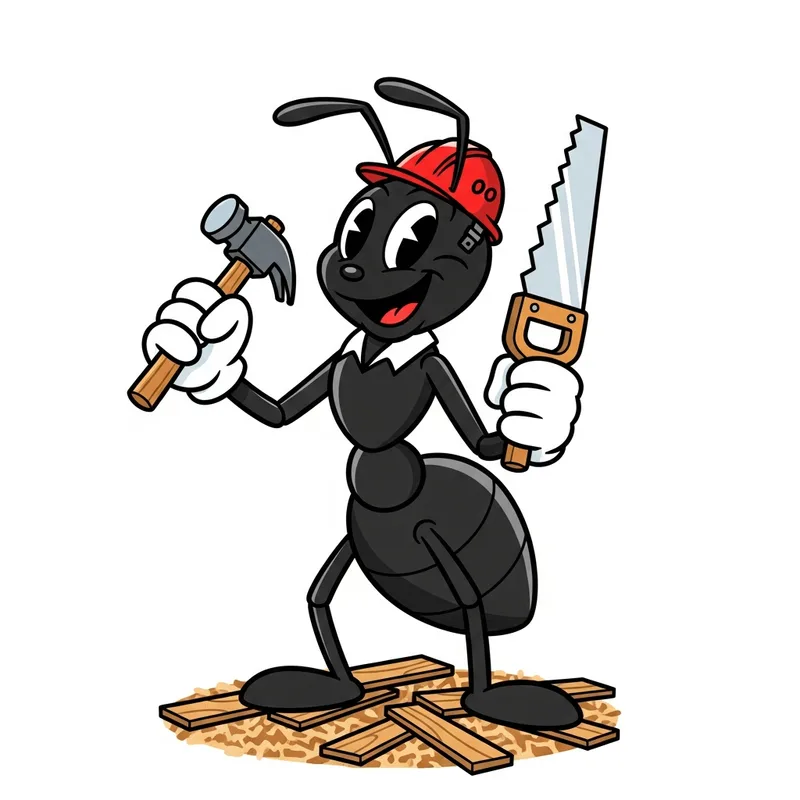
Carpenter Ants
Camponotus spp.
Large ants that excavate wood to build their nests, potentially causing structural damage to homes.
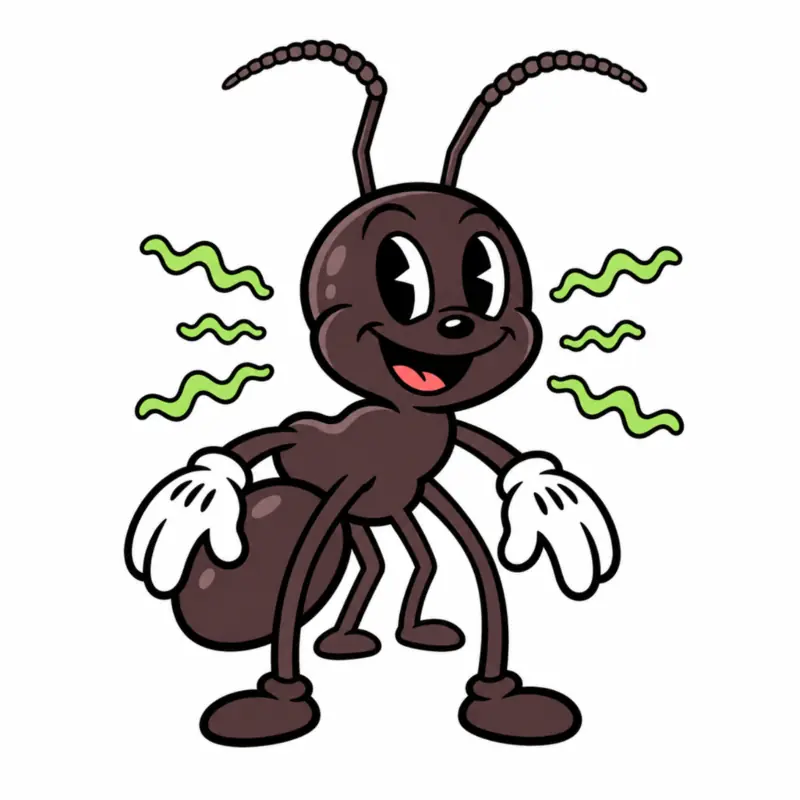
Odorous House Ants
Tapinoma sessile
Tiny dark ants that release a rotten coconut-like smell when crushed and commonly invade kitchens.
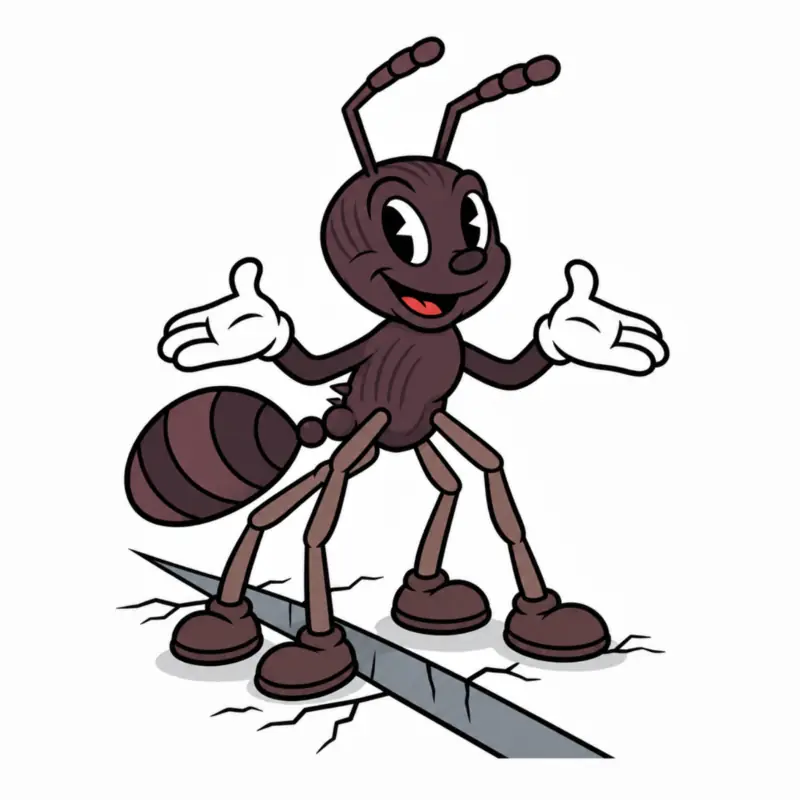
Pavement Ants
Tetramorium caespitum
Small brown ants that nest in cracks in pavement and driveways and forage indoors for food.
Acrobat Ants
Crematogaster spp.
Small ants with a distinctive heart-shaped abdomen they raise over their body when disturbed.
Resilient insects that thrive in warm, moist environments.

German Cockroach
Blattella germanica
The most common indoor cockroach species, found in kitchens and bathrooms where they multiply rapidly.
American Cockroach
Periplaneta americana
The largest common cockroach species, often called a "palmetto bug," found in basements and sewer systems.
Oriental Cockroach
Blatta orientalis
Dark, shiny cockroaches strongly associated with moisture, often found in basements and drains.
Smoky Brown Cockroach
Periplaneta fuliginosa
Large, strong-flying cockroaches attracted to lights that commonly invade homes from tree canopies.
Eight-legged arachnids commonly found in Kentucky homes.
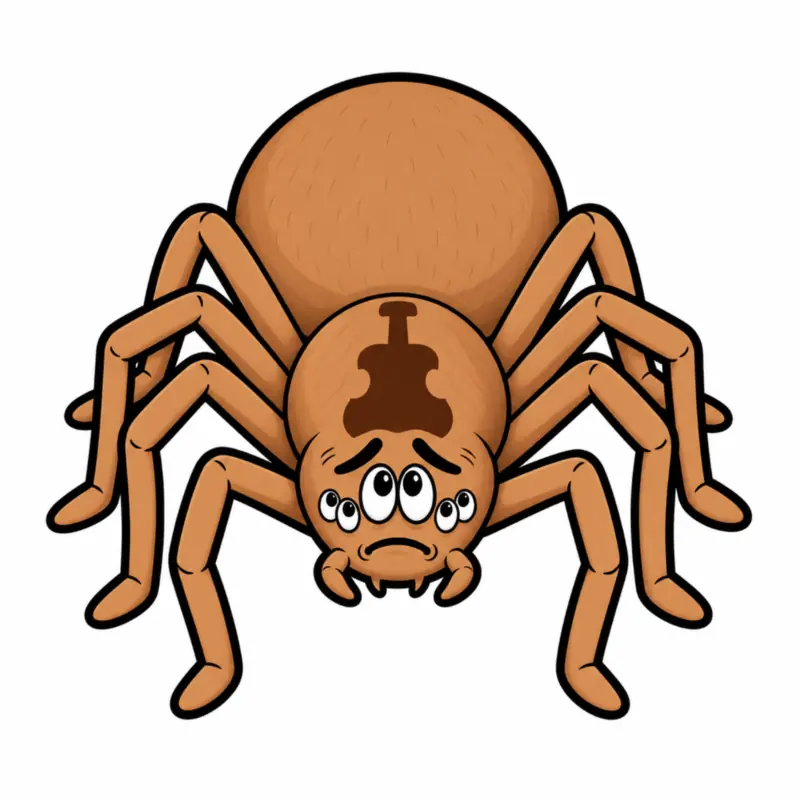
Brown Recluse Spider
Loxosceles reclusa
A venomous spider identified by the violin-shaped marking on its back, common in Kentucky homes.
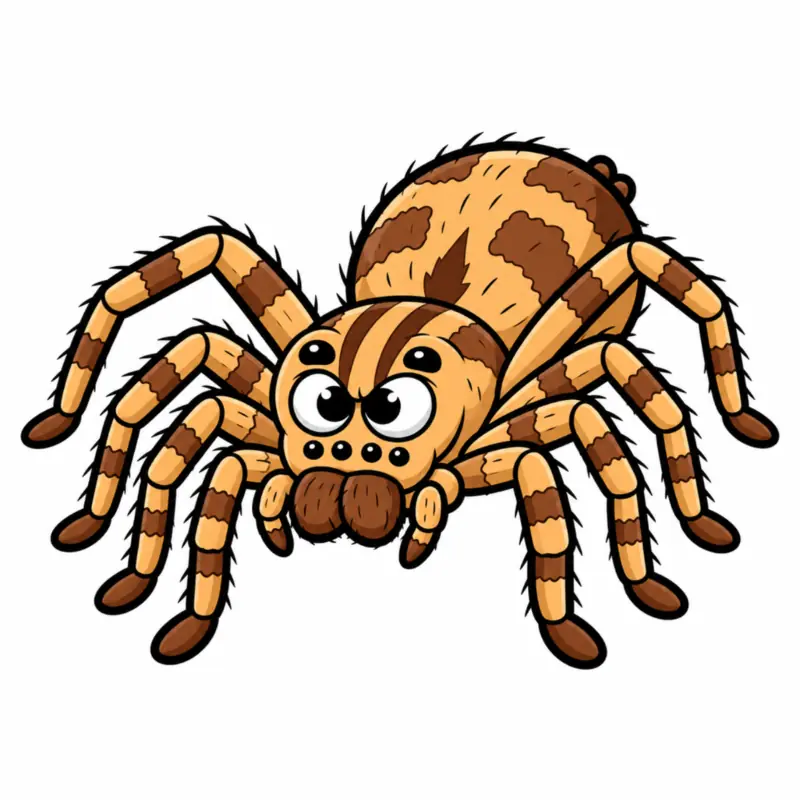
Wolf Spider
Lycosidae family
Large, fast, hairy spiders that hunt on the ground rather than building webs.

Black Widow Spider
Latrodectus mactans
A venomous spider recognized by its shiny black body and distinctive red hourglass marking.
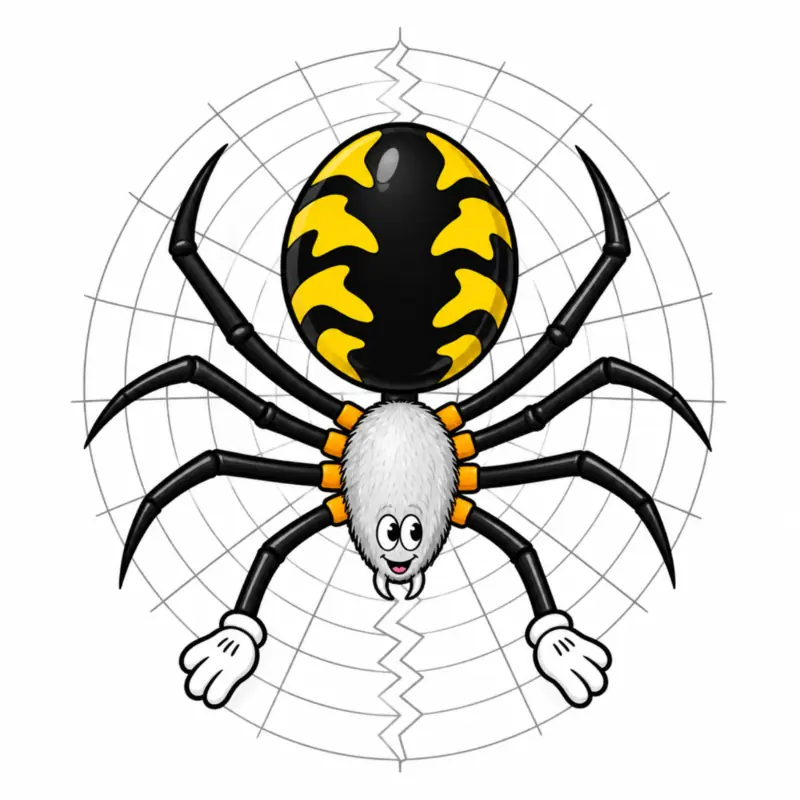
Orb-Weaver Spider
Araneidae family
Colorful garden spiders known for building large, circular webs in yards and around porches.
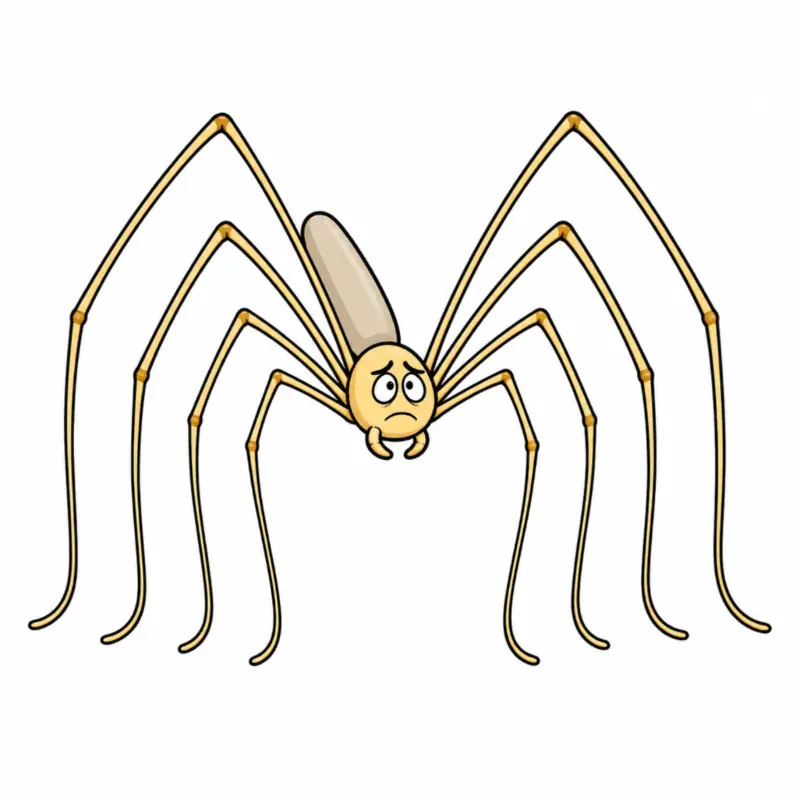
Cellar Spider
Pholcidae family
Delicate, long-legged spiders that build messy webs in corners of basements and cellars.
Wasps, hornets, and bees that can deliver painful stings.
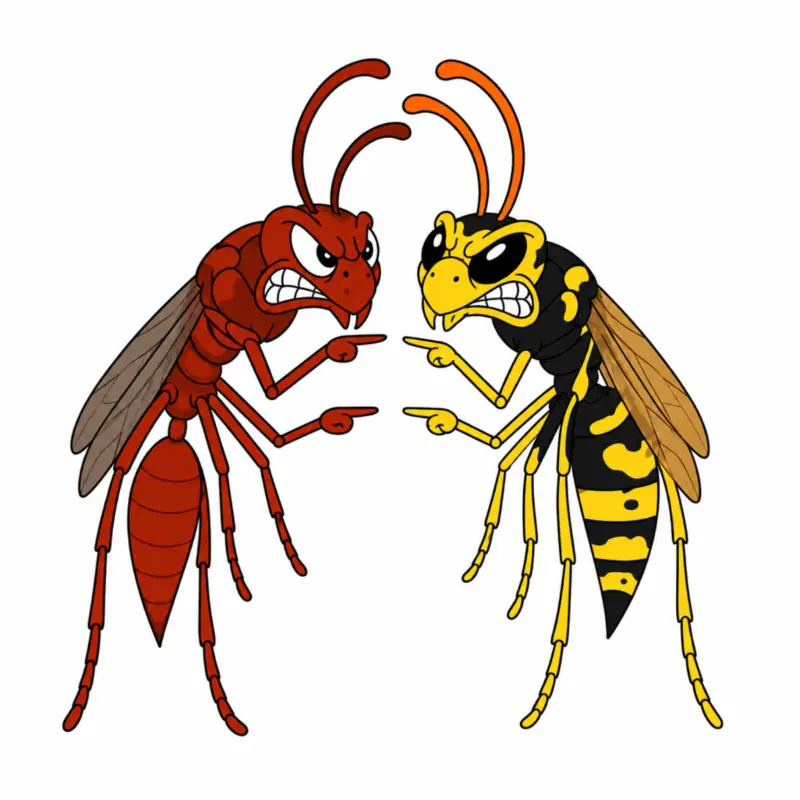
Paper Wasps
Polistes spp.
Slender wasps that build small, open-celled paper nests under eaves and overhangs.
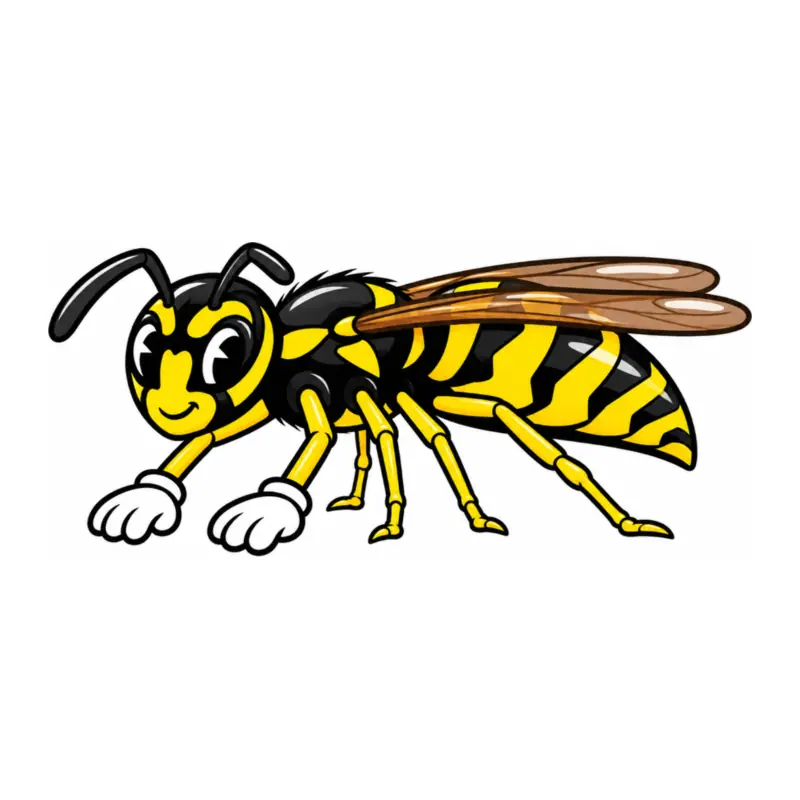
Yellow Jackets
Vespula spp.
Aggressive, ground-nesting wasps with black-and-yellow bands that are attracted to food at outdoor events.
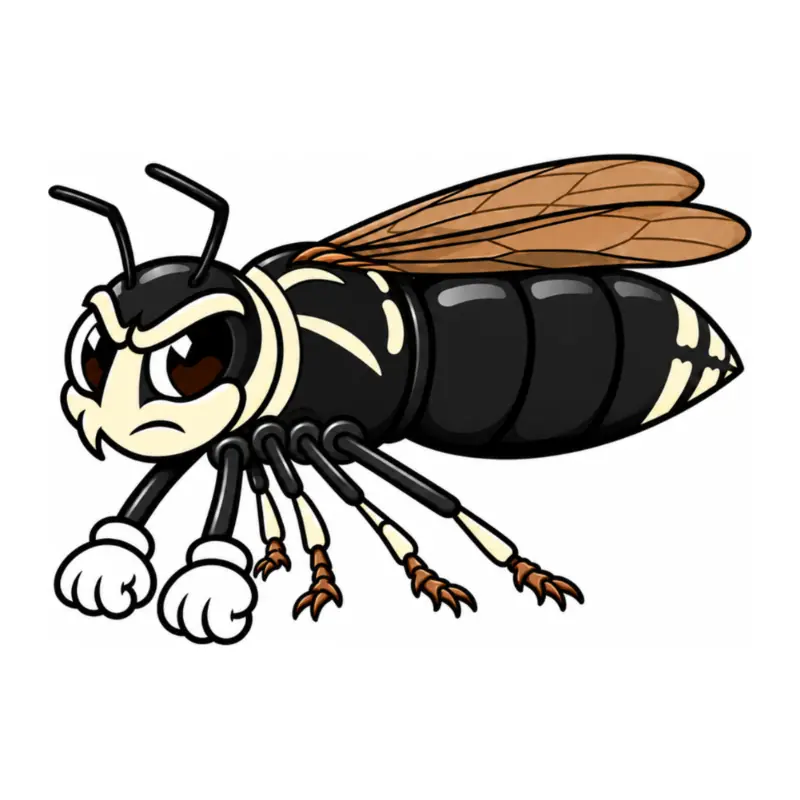
Bald-Faced Hornets
Dolichovespula maculata
Large, black-and-white hornets that build large, enclosed paper nests in trees and on buildings.
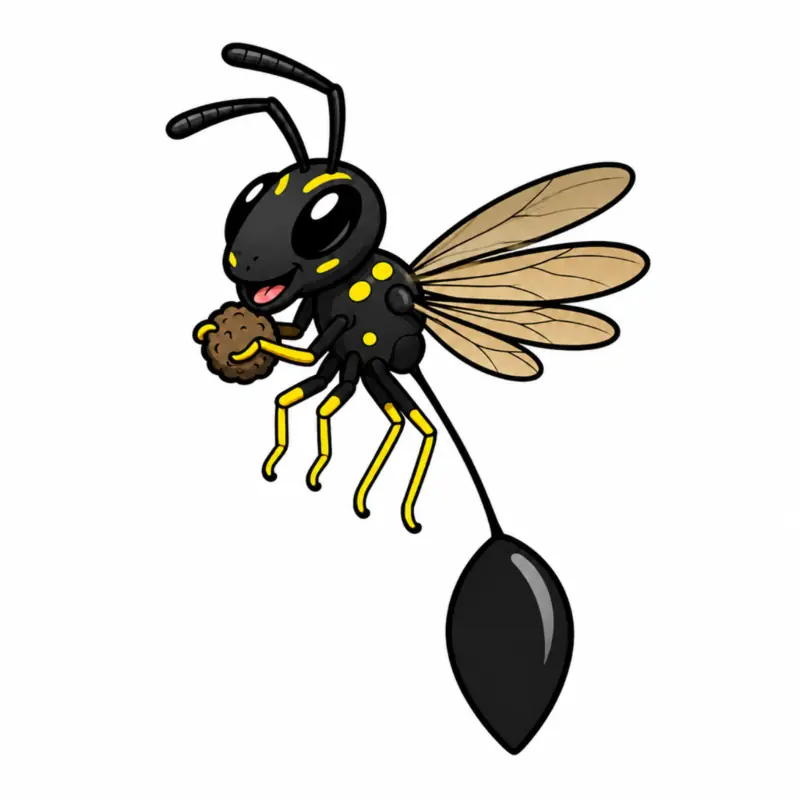
Mud Daubers
Sceliphron caementarium
Solitary wasps that build distinctive tube-shaped mud nests on walls and under overhangs.
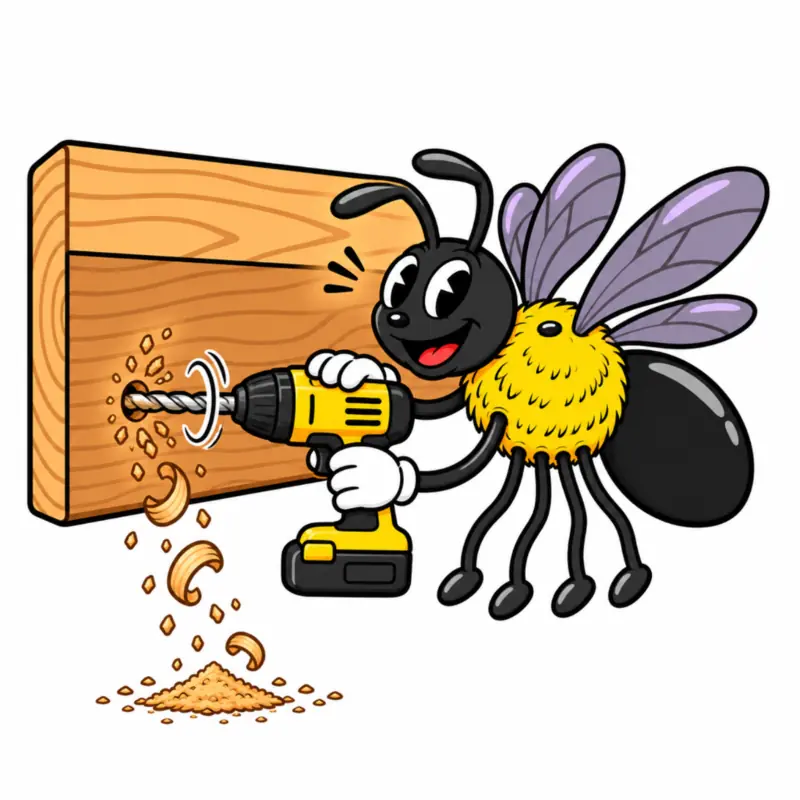
Carpenter Bees
Xylocopa virginica
Large, bumblebee-like bees that bore perfectly round holes into wood decks, fascia, and eaves.
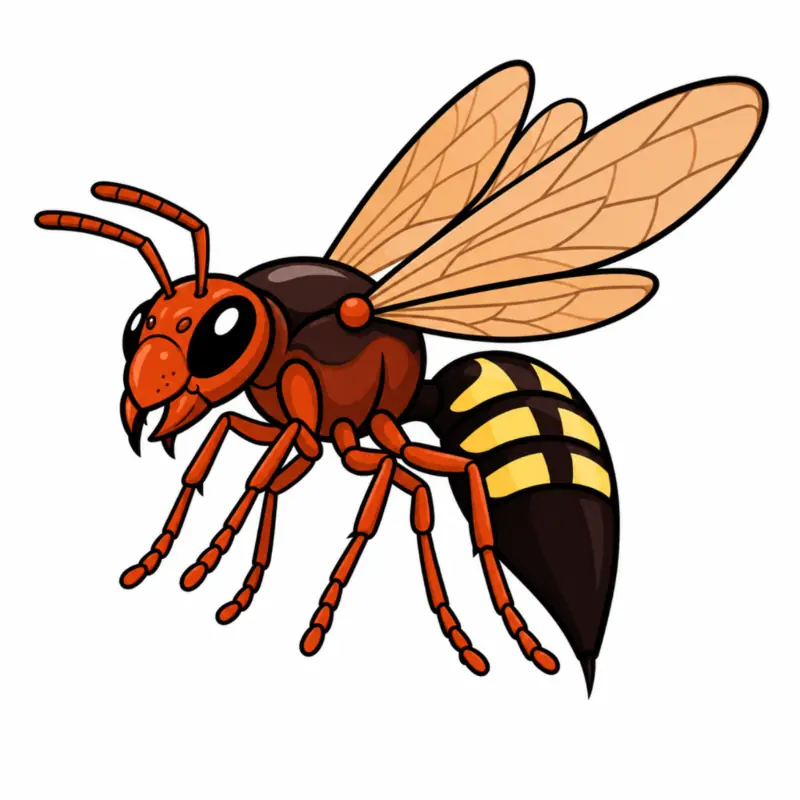
Cicada Killers
Sphecius speciosus
Very large, ground-nesting wasps that hunt cicadas and are often mistaken for giant hornets.
Various beetle species that invade homes and damage belongings.
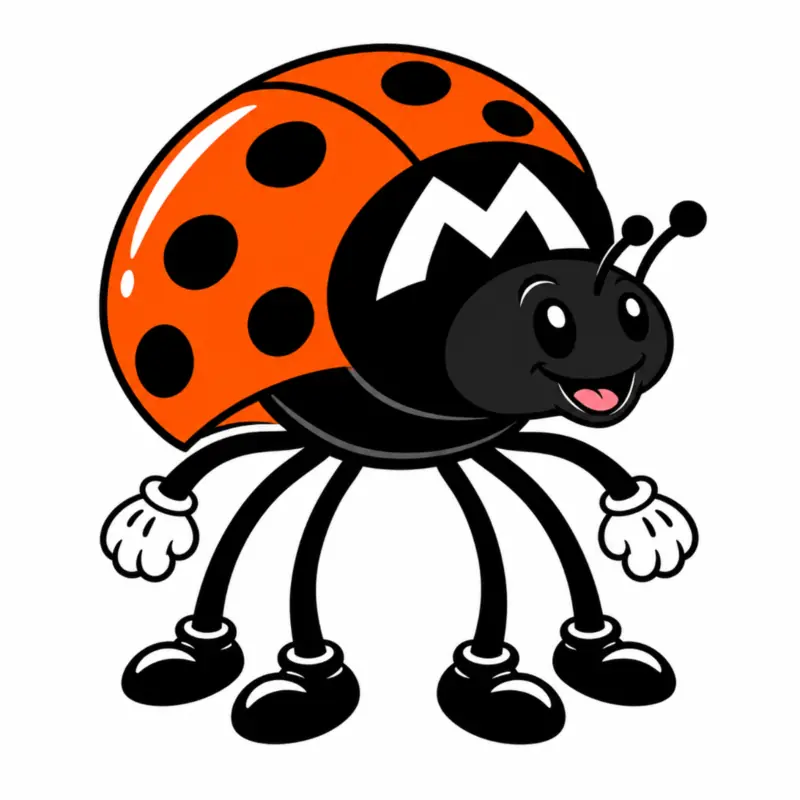
Asian Lady Beetles
Harmonia axyridis
Invasive look-alikes of native ladybugs that invade homes in huge numbers every fall.
Carpet Beetles
Anthrenus spp. / Attagenus spp.
Tiny beetles whose larvae damage wool carpets, clothing, upholstery, and stored natural fibers.
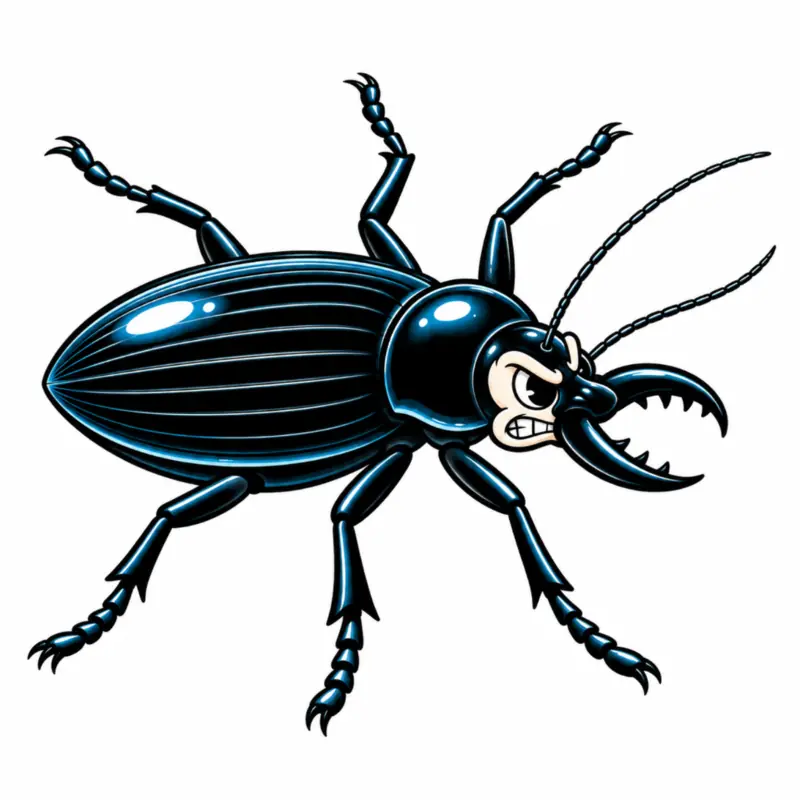
Ground Beetles
Carabidae family
Shiny, fast-running beetles that are beneficial predators outdoors but can enter homes at night.
Mice and rats that invade homes seeking food and shelter.
Pests that enter homes seasonally or during weather changes.
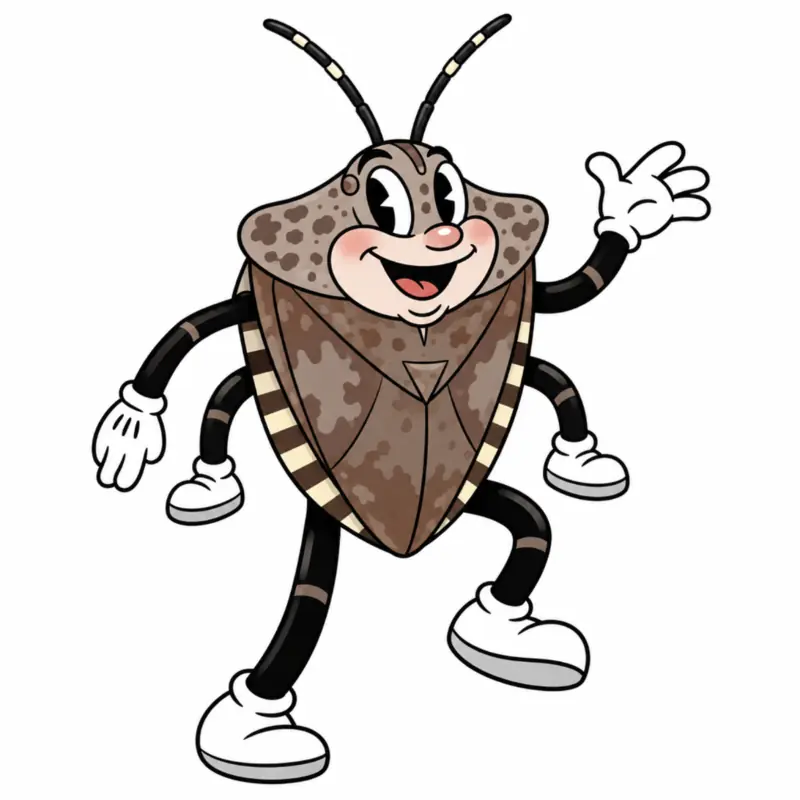
Brown Marmorated Stink Bug
Halyomorpha halys
Shield-shaped invasive insects that enter homes in large numbers in fall and release a foul odor when disturbed.
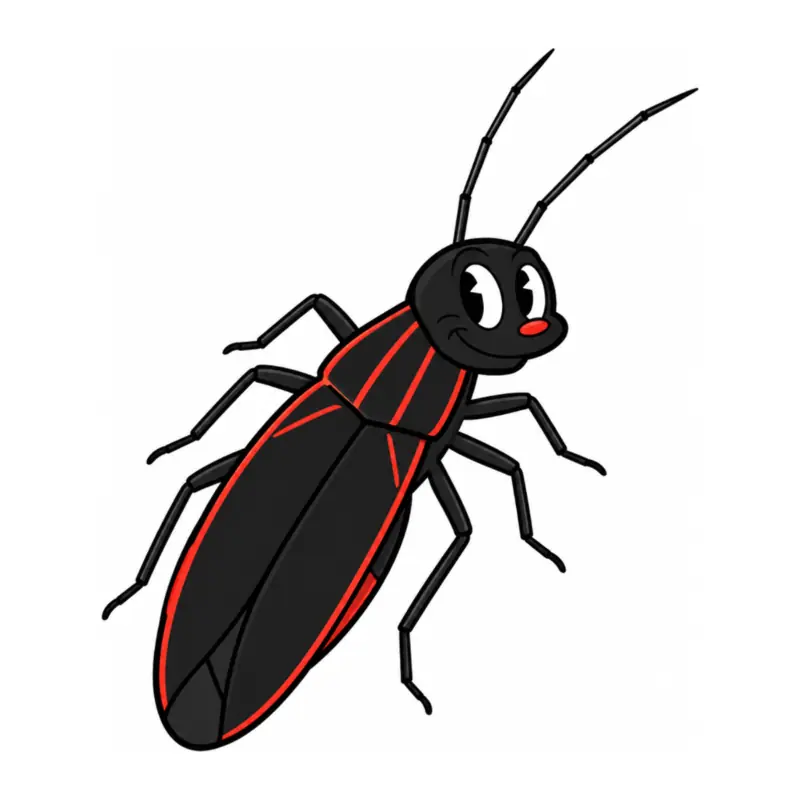
Boxelder Bugs
Boisea trivittata
Black-and-red bugs that swarm on sunny walls in fall before entering homes to overwinter.
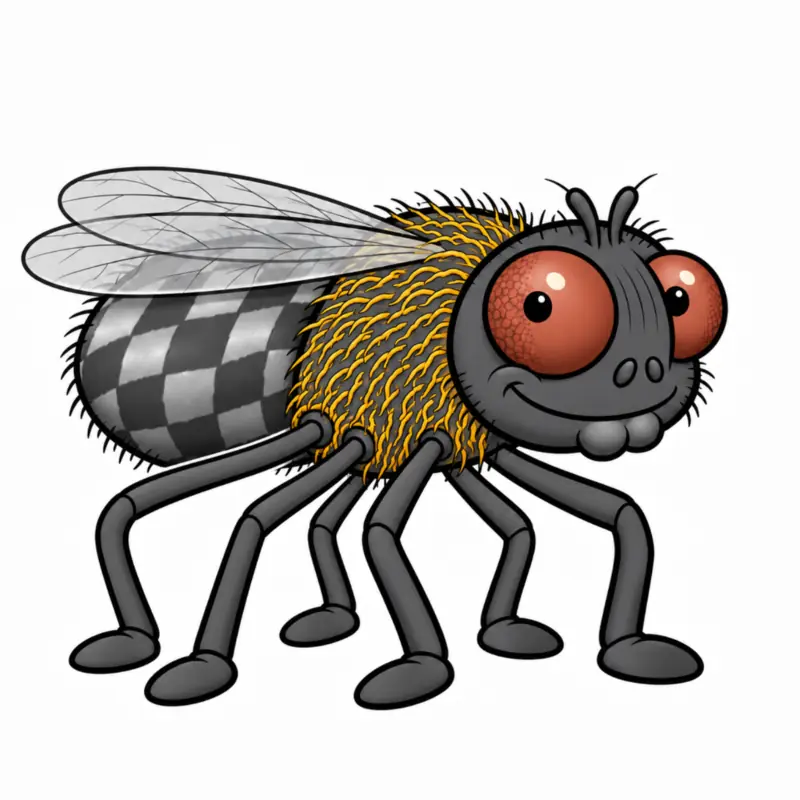
Cluster Flies
Pollenia rudis
Large, sluggish flies that enter attics and wall voids in fall to hibernate in large clusters.
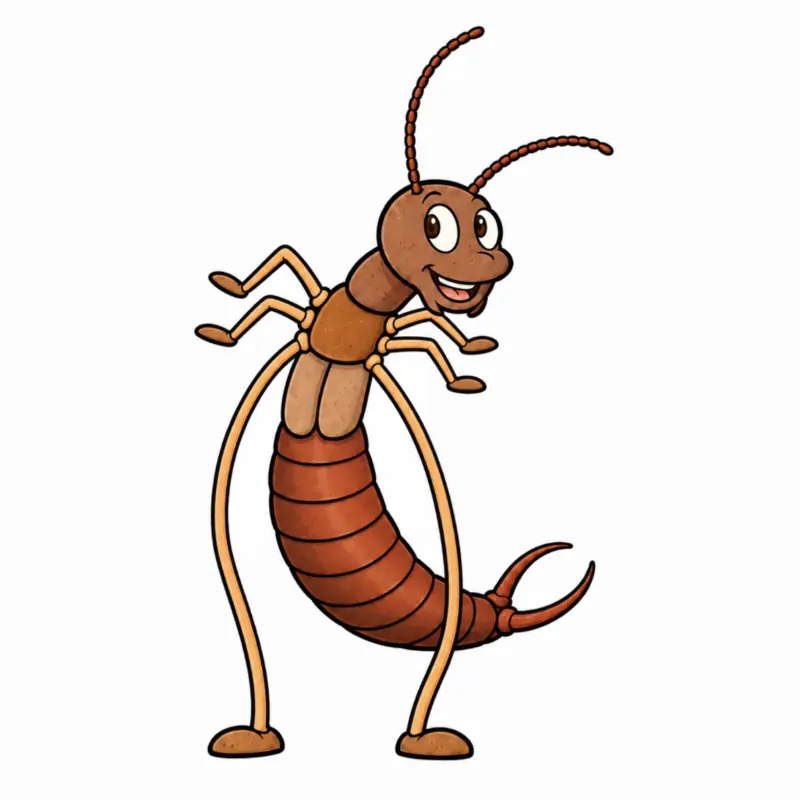
Earwigs
Forficula auricularia
Distinctive insects with rear pincers that hide in moist areas and enter homes during wet weather.
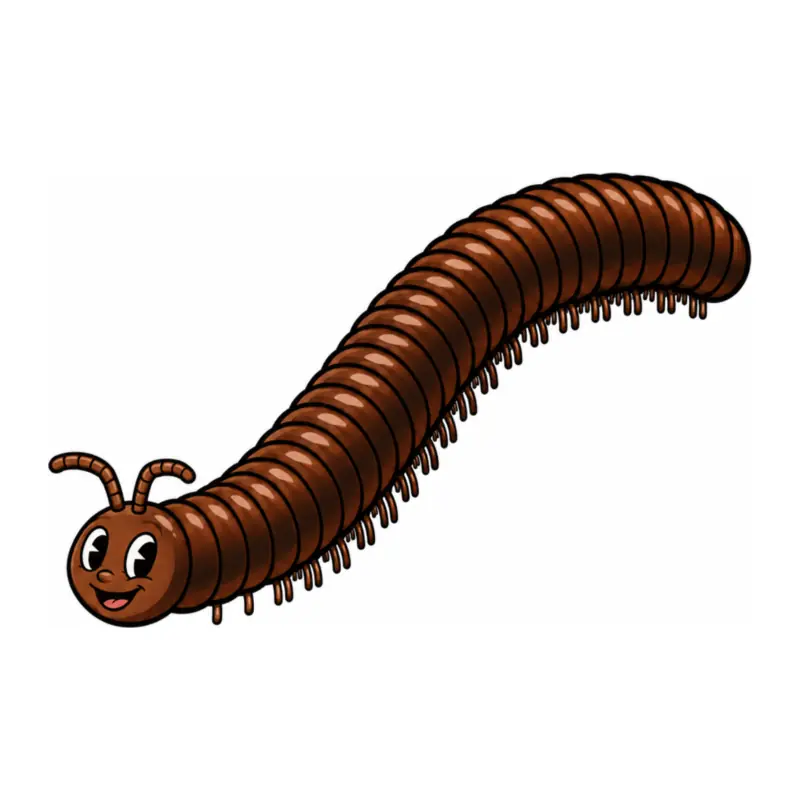
Millipedes
Diplopoda class
Slow-moving, many-legged arthropods that invade homes in large numbers after heavy rains.
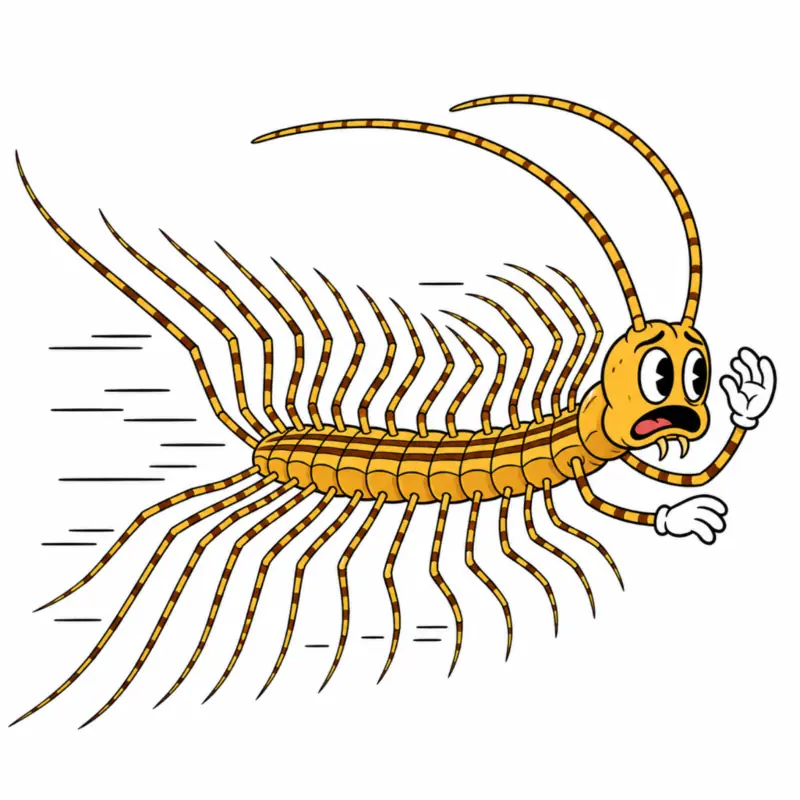
Centipedes
Chilopoda class
Fast-moving, many-legged predators that live in damp areas and startle homeowners with their speed.
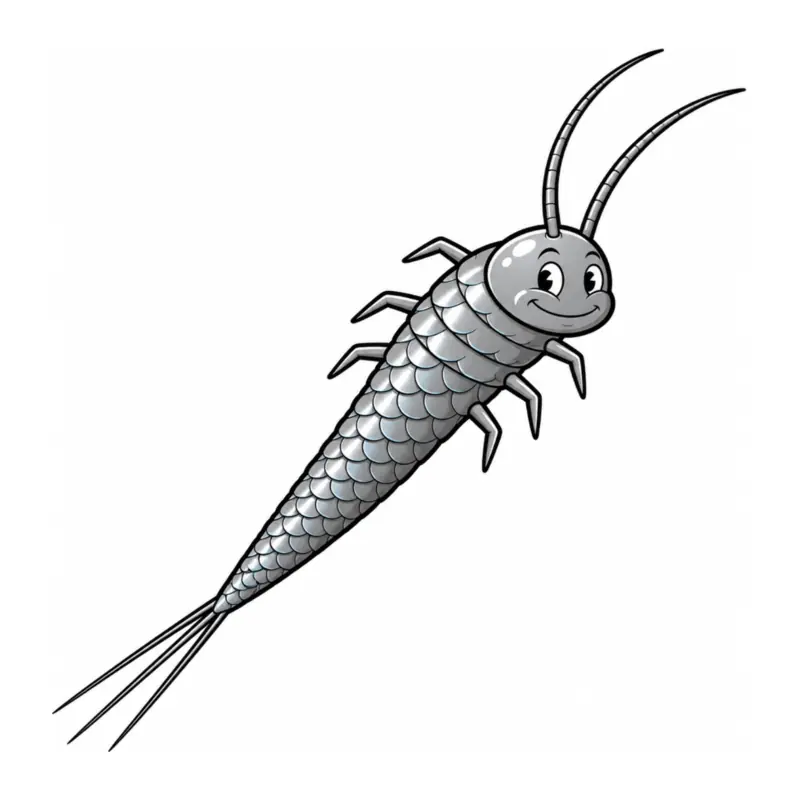
Silverfish
Lepisma saccharina
Silvery, fish-shaped insects that damage books, paper, wallpaper, and starched fabrics in damp areas.
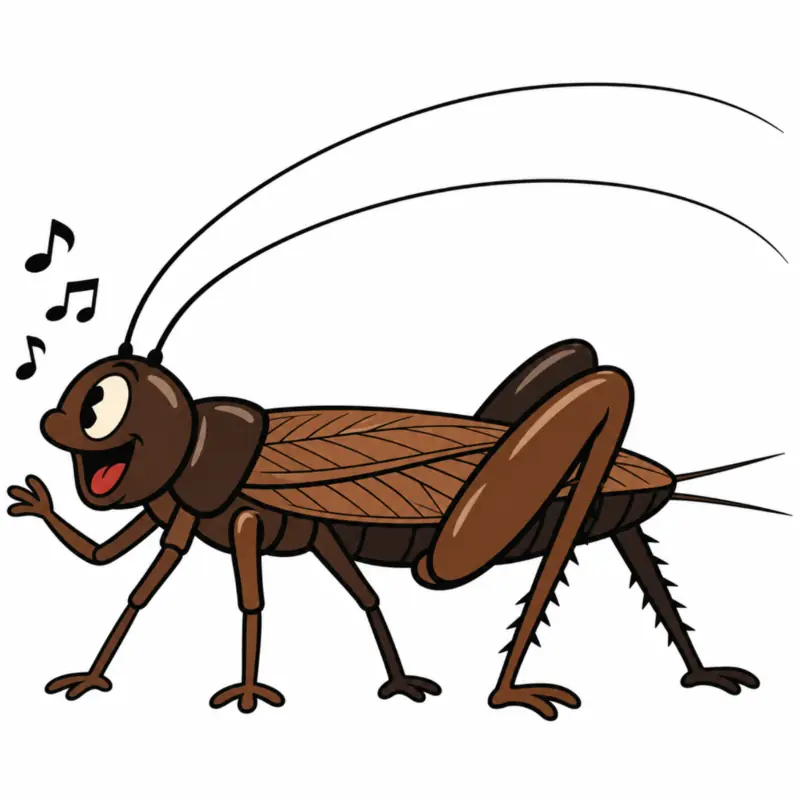
Crickets
Acheta domesticus / Gryllus spp.
Jumping insects that enter homes in fall, chew on fabrics, and keep homeowners awake with loud chirping.
Blood-feeding insects that breed in standing water.
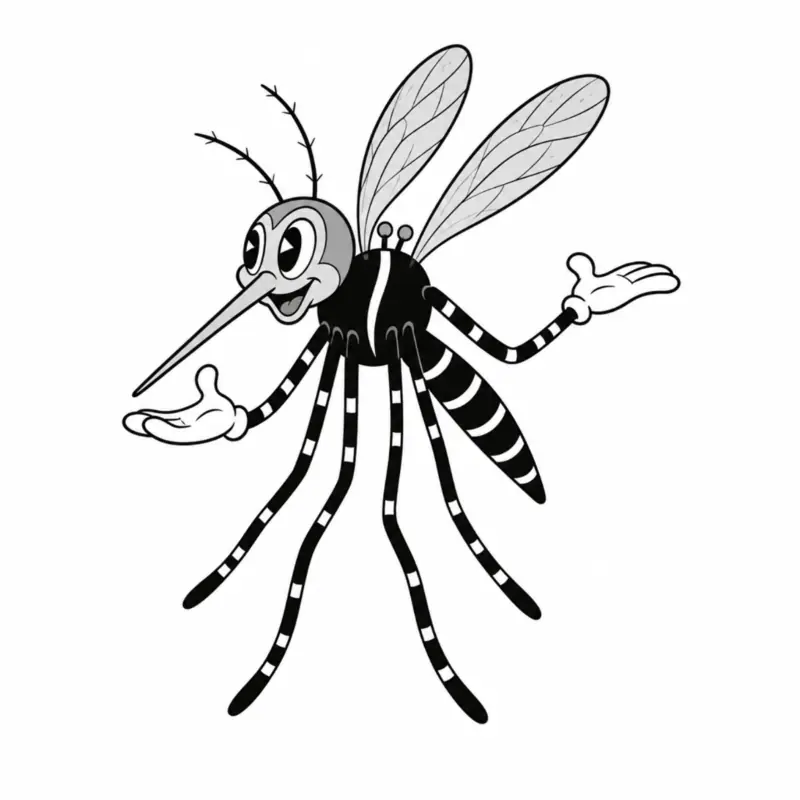
Parasitic pests that feed on blood and spread disease.
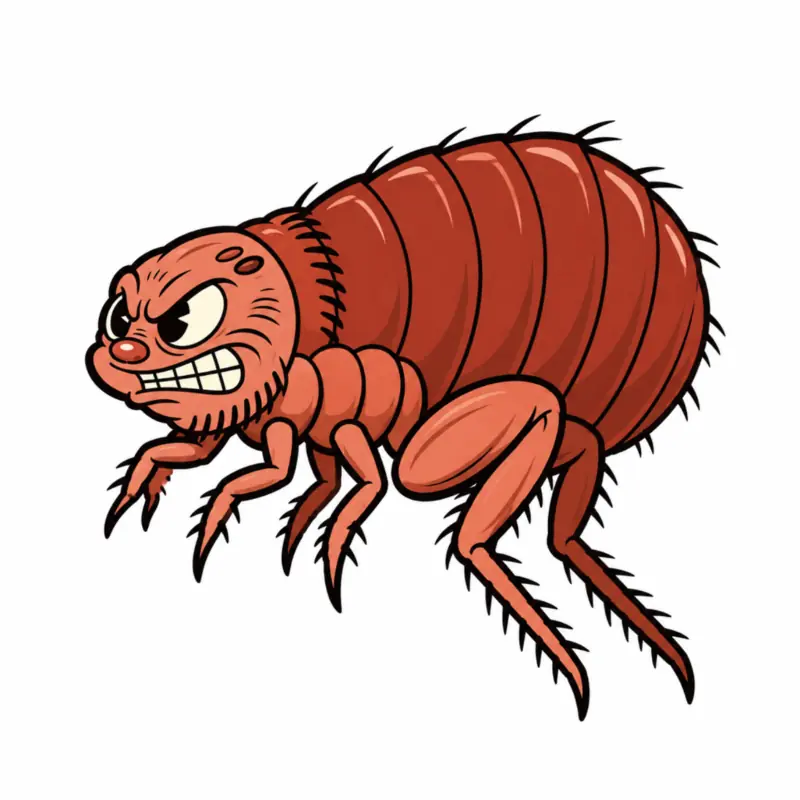
Fleas
Ctenocephalides felis / C. canis
Tiny, jumping parasites that feed on pet and human blood and can quickly infest an entire home.
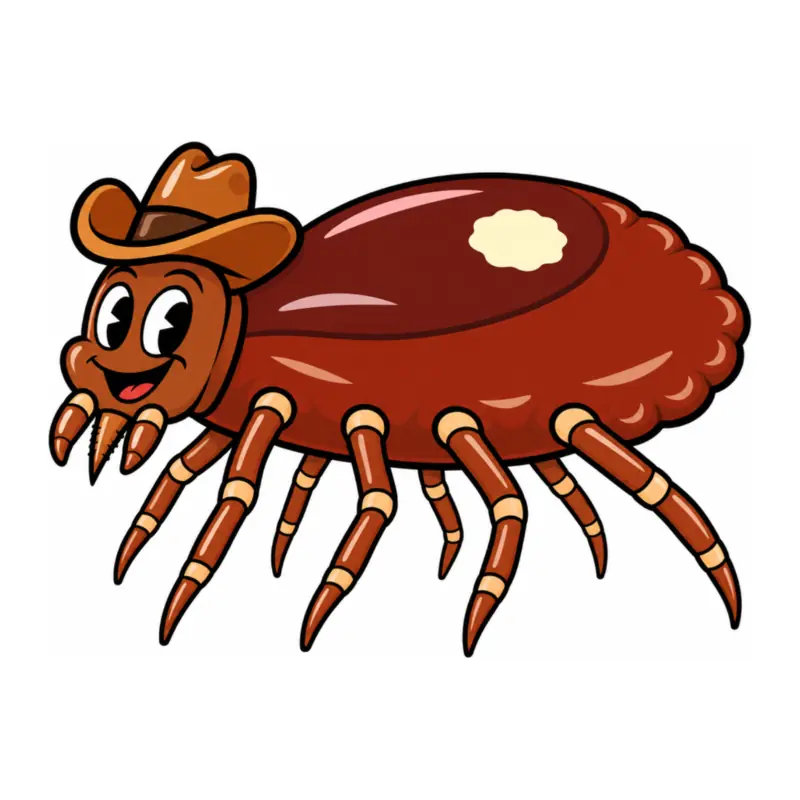
Ticks
Ixodidae family
Blood-feeding arachnids that attach to skin and can transmit Lyme disease, Rocky Mountain spotted fever, and other serious illnesses.
Wood-destroying insects that cause billions in damage annually.
Nocturnal parasites that feed on human blood while you sleep.