
Occasional Invaders: Identification, Pictures and Treatment
The bugs that wander into Bowling Green homes with the seasons, and how to keep them outside where they belong
Types of Occasional Invaders in Bowling Green
These are the occasional invaders we find most in Bowling Green homes. Tap a picture to jump to it. Each one has its own labeled diagram below.
Occasional Invader Facts
- Type:
- Insects and other arthropods that live mostly outdoors
- Size:
- 1/4 inch to 1 1/2 inches
- Legs:
- 6 (insects) to 30 or more (centipedes and millipedes)
- Diet:
- Plants, decaying leaves, other insects, or starch and mold
- Peak season:
- Fall for overwintering bugs, spring and summer for moisture-lovers
- Danger:
- Mostly harmless nuisances
- Breed indoors?:
- Most don't, but silverfish and camel crickets can
- Common in Bowling Green:
- 8 kinds
Have a occasional invader problem that needs fixing?
Table of Contents
- Types of occasional invaders in Bowling Green
- How to identify occasional invaders
- Why they come inside
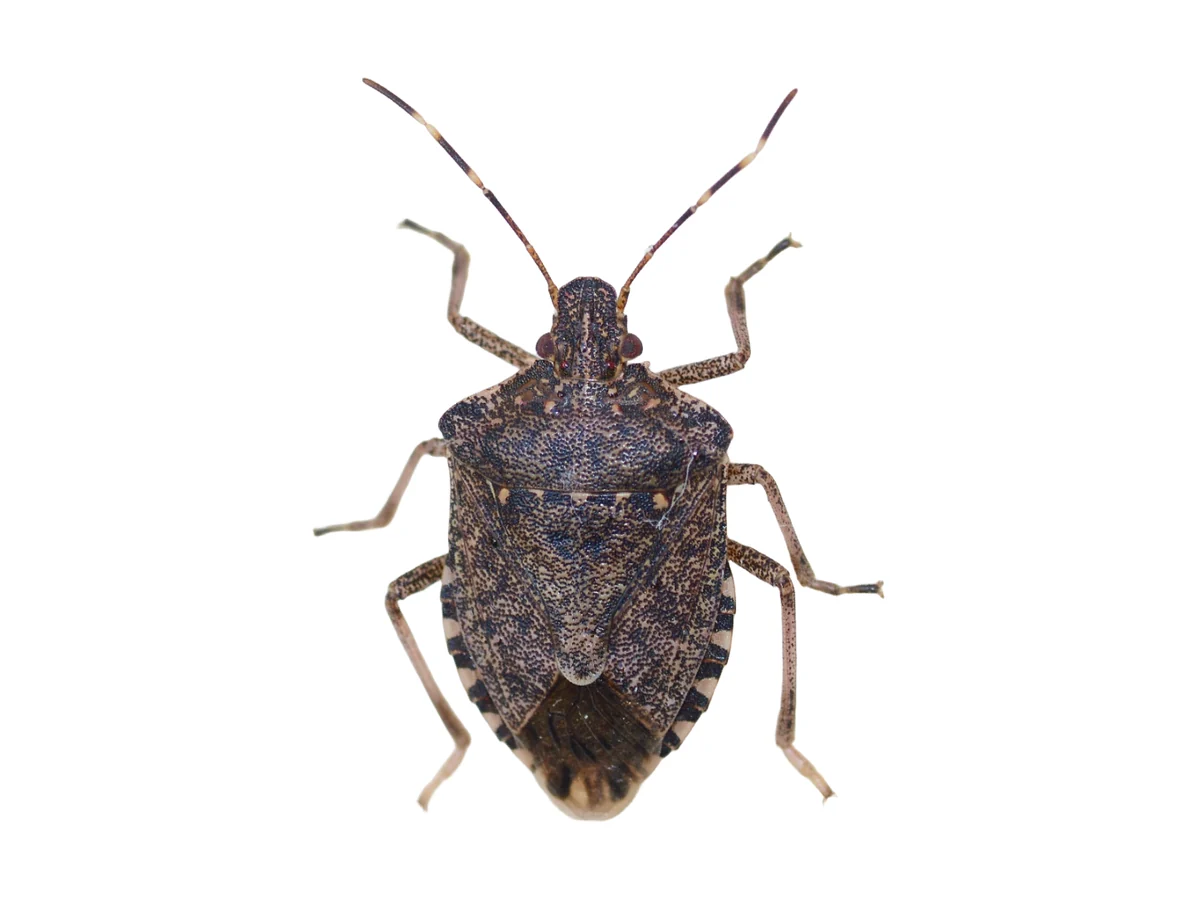
- 1. Brown Marmorated Stink Bug
- 2. Boxelder Bug
- 3. Cluster Fly
- 4. Earwig
- 5. Millipede
- 6. House Centipede
- 7. Silverfish
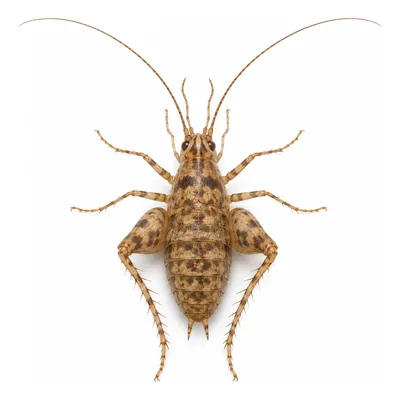
- 8. Camel Cricket
- Life cycle of occasional invaders
- Occasional invader look-alikes
- Signs of a occasional invader problem
- How to keep occasional invaders out
- How we get rid of occasional invaders
Occasional invaders are pests that live outdoors but wander inside at certain times of year. Some, like stink bugs and boxelder bugs, crowd onto sunny walls in the fall looking for a warm place to spend the winter. Others, like millipedes and camel crickets, move in when it gets too hot, too dry or too wet outside.
Most don't bite, sting or breed indoors, but they can show up by the hundreds. The key is sealing them out before they arrive. This page shows the ones we get called about most around Bowling Green.
How to Identify Occasional Invaders
This group is a mix of very different creatures. True bugs like stink bugs and boxelder bugs have a shield-shaped or oval body, a triangle in the middle of the back and mouthparts built for sucking plant juices. Cluster flies look like slow, larger house flies.
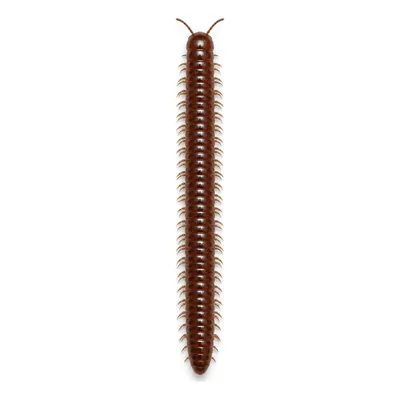
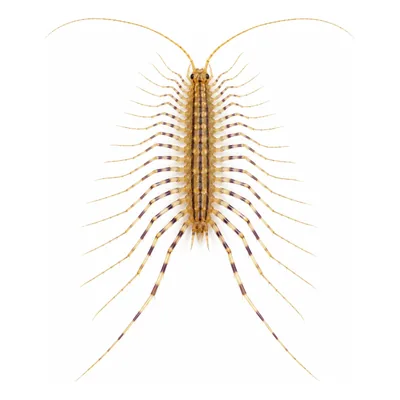
Millipedes and centipedes aren't insects at all. Millipedes are round, slow and have two pairs of short legs on each body segment. House centipedes are flat and fast, with one pair of very long legs on each segment.
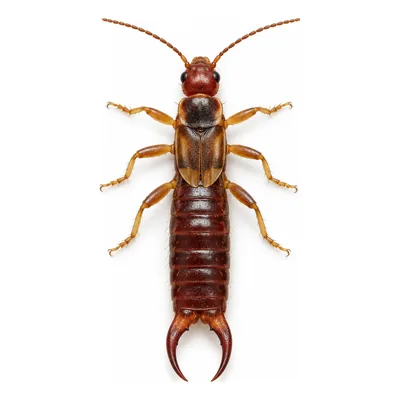
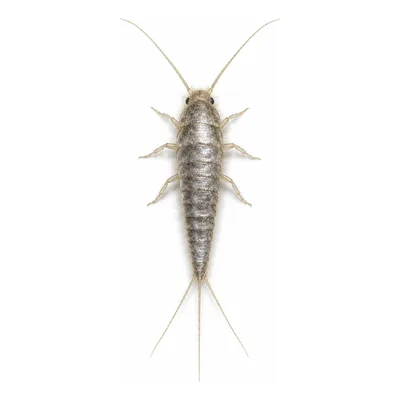
Earwigs have pincers on the tail, silverfish are silvery and shaped like a carrot with three tails, and camel crickets are humpbacked with huge back legs and no wings.
Why Are These Bugs Coming Inside?
Occasional invaders don't come in looking for food the way ants or roaches do. They're usually escaping the weather. Knowing why they're inside tells you when to expect them and what to fix.
Getting ready for winter
Stink bugs, boxelder bugs, cluster flies and lady beetles gather on warm, sunny walls in September and October, then crawl into attics and wall voids to sleep through the winter.
Warm winter days
On sunny winter days, bugs sleeping in the walls wake up and wander into living spaces, often near windows, lights and the attic.
Too wet or too dry
Millipedes, earwigs and camel crickets move into basements, garages and crawl spaces after heavy rain or during long, dry, hot spells.
Damp, dark spaces
House centipedes, silverfish and camel crickets live in damp basements, bathrooms and crawl spaces year-round. A dehumidifier often makes a big difference.
A Closer Look at Each Type
1. Brown Marmorated Stink Bug
Halyomorpha halys
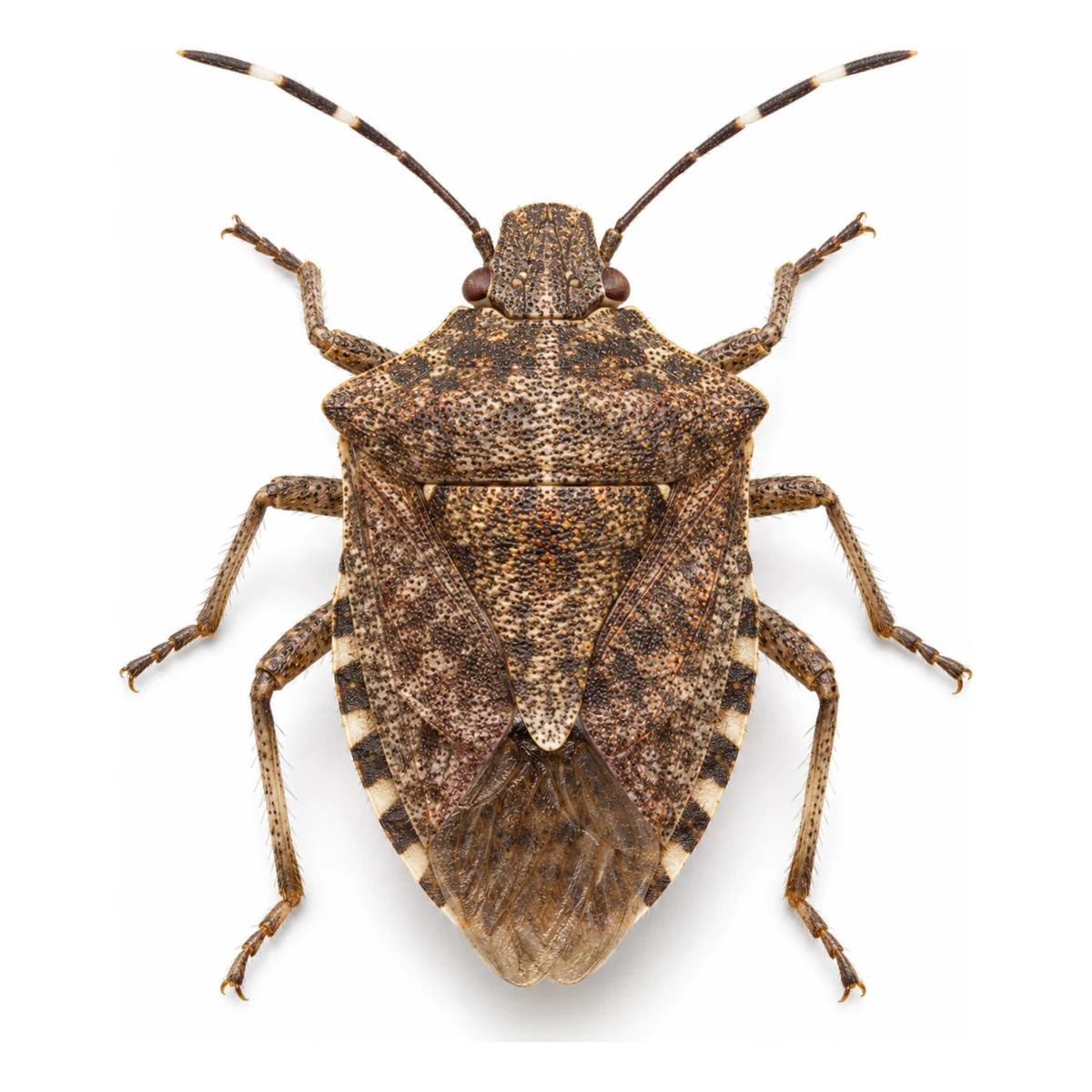
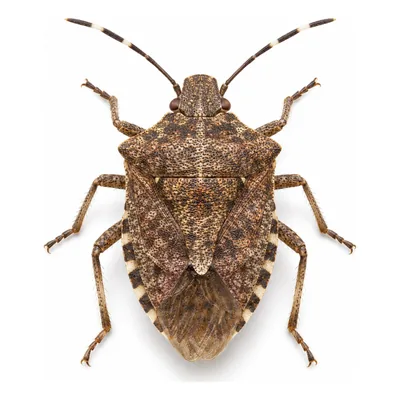
A shield-shaped, mottled brown bug with white bands on its antennae and light and dark bands along the edge of its body. It gives off a strong, unpleasant smell when crushed or disturbed. It's an invasive species that has spread across Kentucky.
Size: About 5/8 inch
Where you'll find them: Sunny south and west walls in fall, then attics, window frames, wall voids and light fixtures
Why it matters: Harmless to people and the house, but they show up by the hundreds and leave a smell and stains when squished. Vacuum them up instead.
Read the full Brown Marmorated Stink Bug guide2. Boxelder Bug
Boisea trivittata
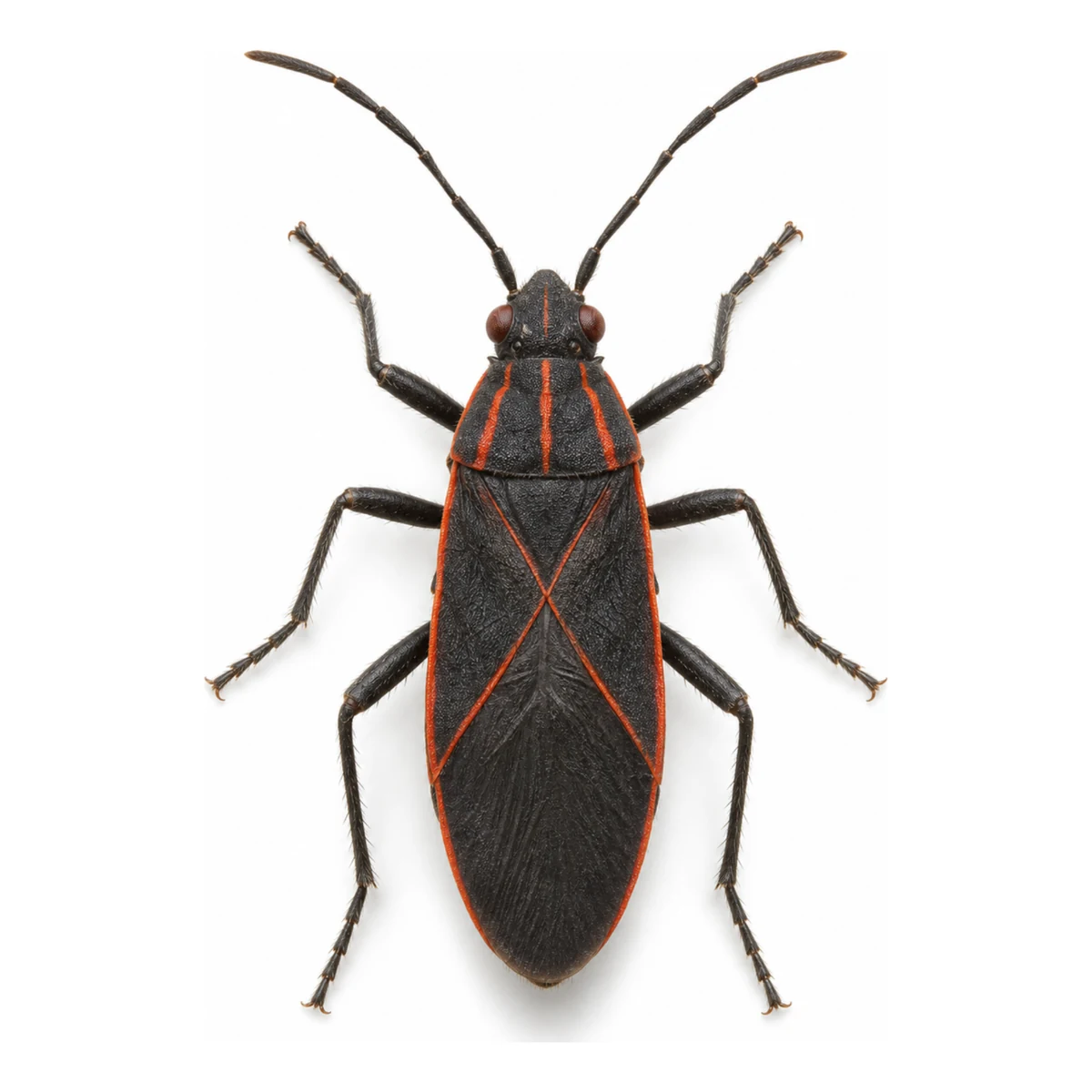
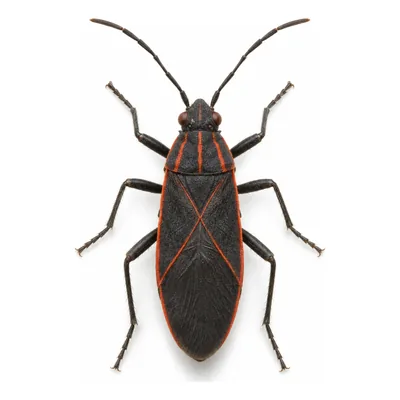
A flat black bug with bright red-orange lines on its back and the edges of its wings. Young boxelder bugs are bright red. They feed on seeds of boxelder and maple trees and gather in big groups in fall.
Size: About 1/2 inch
Where you'll find them: Near boxelder and maple trees, clustering on sunny siding, then moving into walls and attics
Why it matters: A nuisance only. They can leave reddish stains on curtains and walls but don't bite or damage the house.
Read the full Boxelder Bug guide3. Cluster Fly
Pollenia species
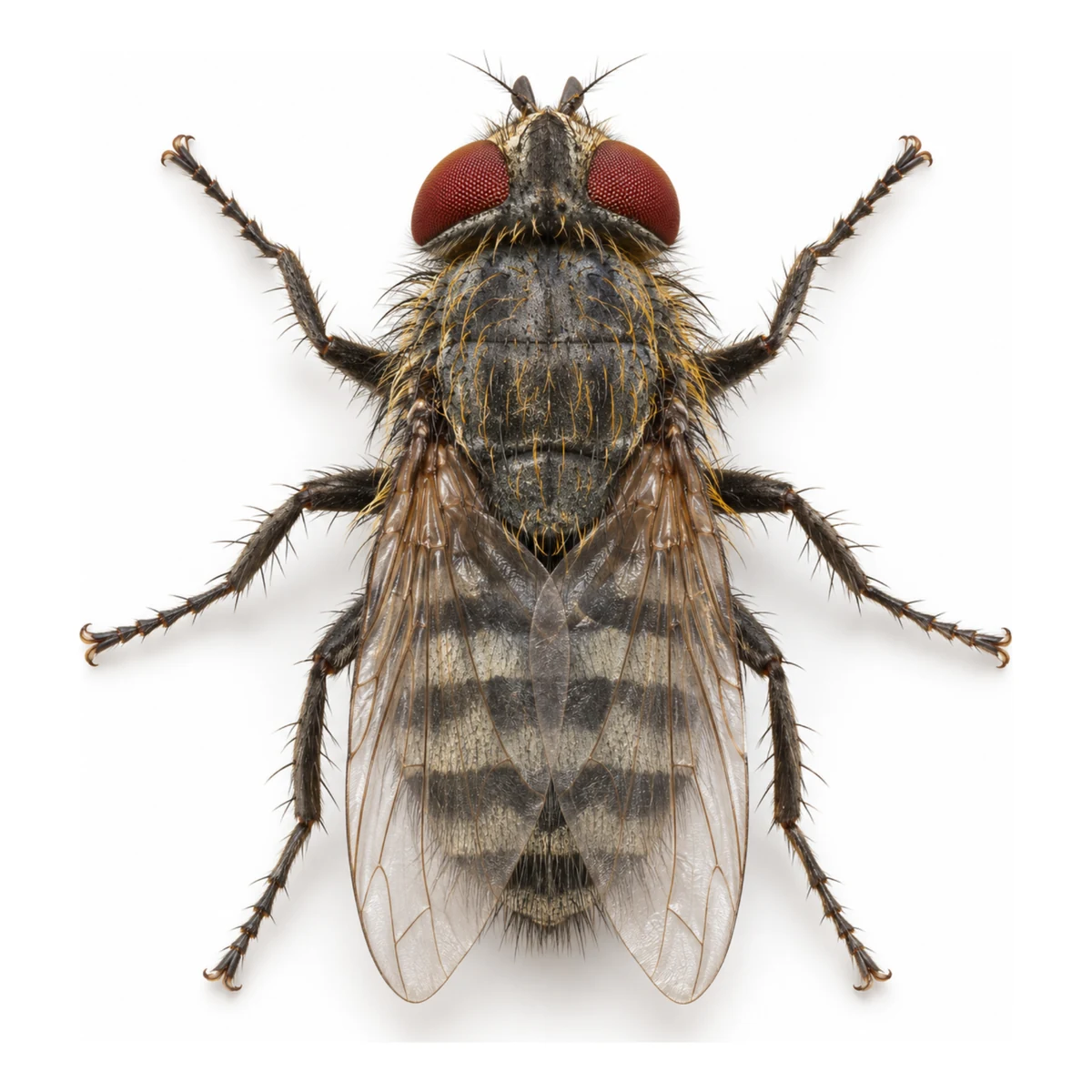
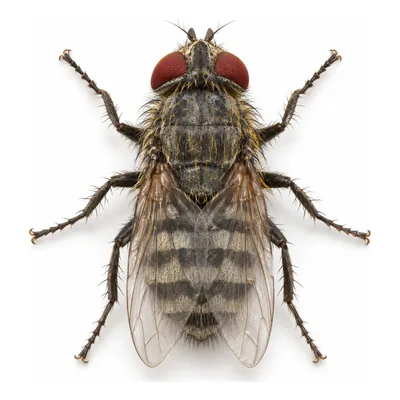
A dark gray fly a bit bigger than a house fly, with golden hairs on its back. It moves slowly and buzzes against windows on warm winter days. The young grow up as parasites of earthworms in lawns.
Size: About 3/8 inch
Where you'll find them: Attics, upper floors and windows, especially on the sunny side of the house
Why it matters: Doesn't breed indoors or spread germs like house flies do, but hundreds can come out of the attic in late winter and early spring.
Read the full Cluster Fly guide4. Earwig
Forficula auricularia
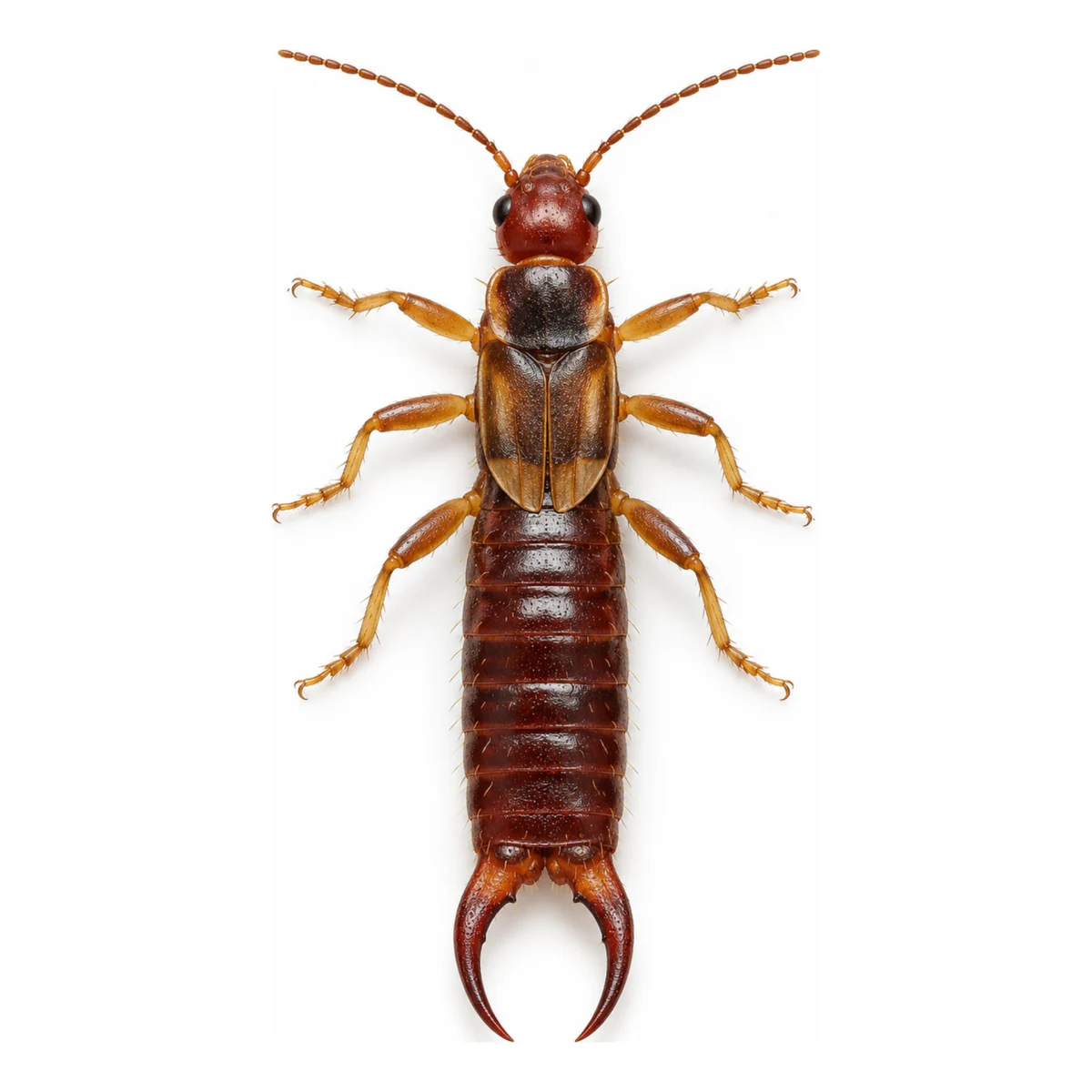
A slender, flat reddish-brown insect with a pair of curved pincers on the tail. Males have strongly curved pincers and females have straighter ones. They're active at night and hide in damp, tight spaces by day.
Size: 1/2 to 3/4 inch
Where you'll find them: Mulch, flower beds and under stones outside, moving into basements, bathrooms and kitchens when it's dry
Why it matters: Despite the old myth, they don't crawl into ears. The pincers can give a mild pinch. Mostly a sign of too much moisture and mulch near the house.
Read the full Earwig guide5. Millipede
Class Diplopoda
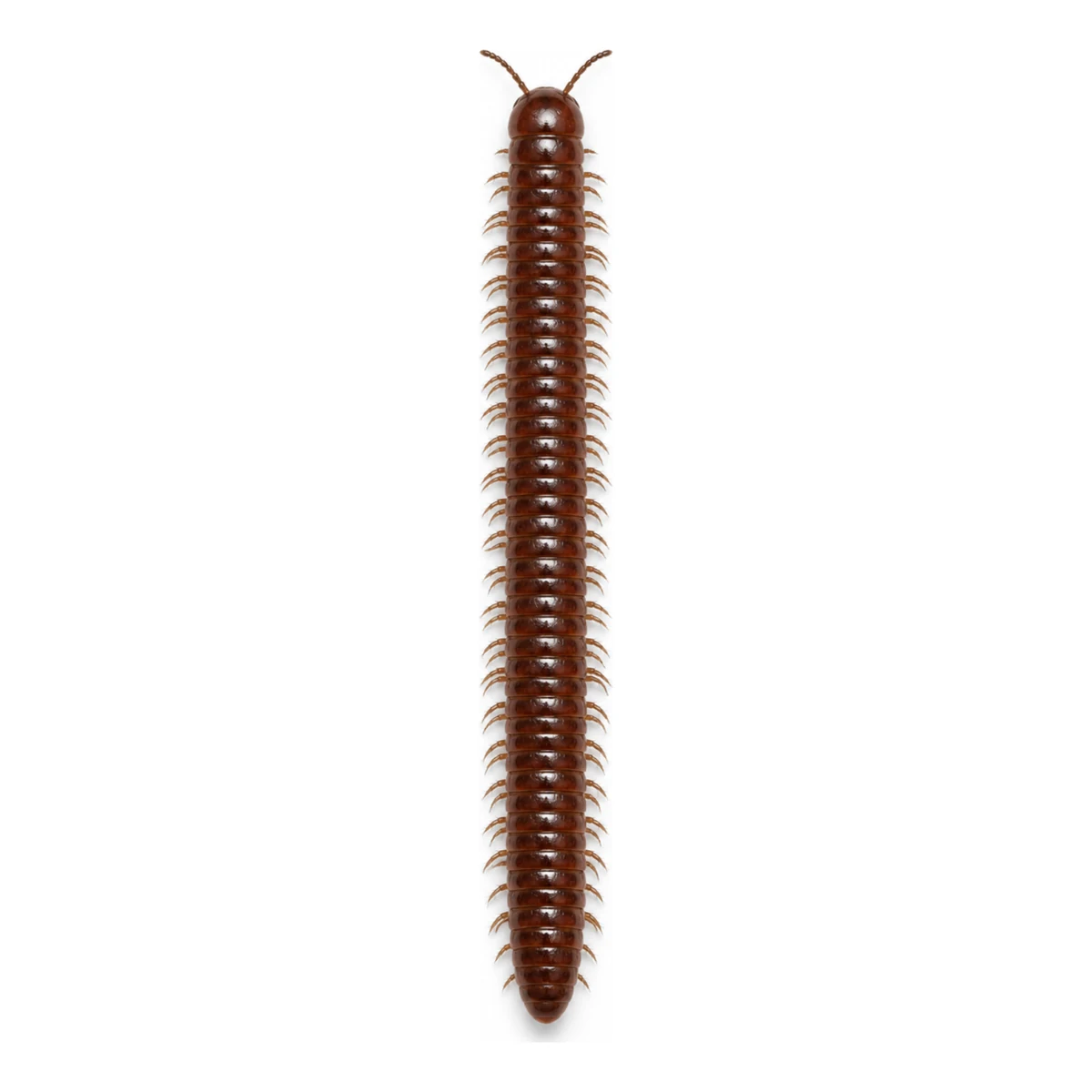
A long, round, dark brown worm-like creature with two pairs of short legs on almost every segment. It moves slowly and curls into a tight coil when disturbed. Millipedes help break down dead leaves.
Size: 1 to 1 1/2 inches
Where you'll find them: Mulch, leaf litter and damp soil outside, crawling into garages, basements and ground floors after heavy rain
Why it matters: Harmless, but they can invade in huge numbers in fall and after rain, then die and dry up inside. Some give off a fluid that can stain.
Read the full Millipede guide6. House Centipede
Scutigera coleoptrata
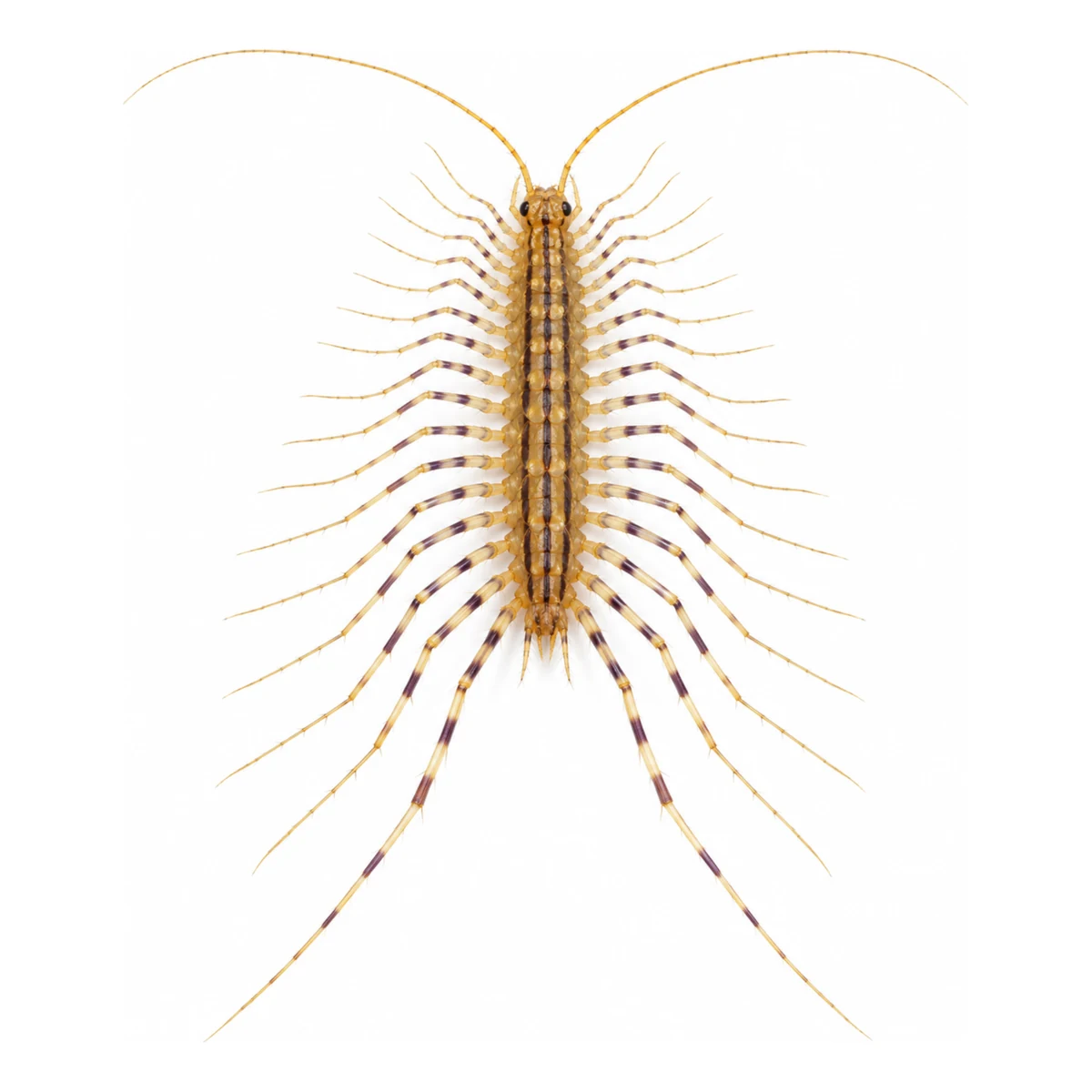
A fast, yellowish-gray creature with 15 pairs of very long, striped legs and long antennae. It runs quickly across floors and walls, usually at night, hunting spiders, silverfish and other insects.
Size: 1 to 1 1/2 inches, plus very long legs
Where you'll find them: Damp basements, bathrooms, closets and crawl spaces
Why it matters: Actually helpful because it eats other pests, but most people don't want to share a bathroom with one. It can bite if handled. Lots of them means lots of prey and moisture.
Read the full House Centipede guide7. Silverfish
Lepisma saccharinum
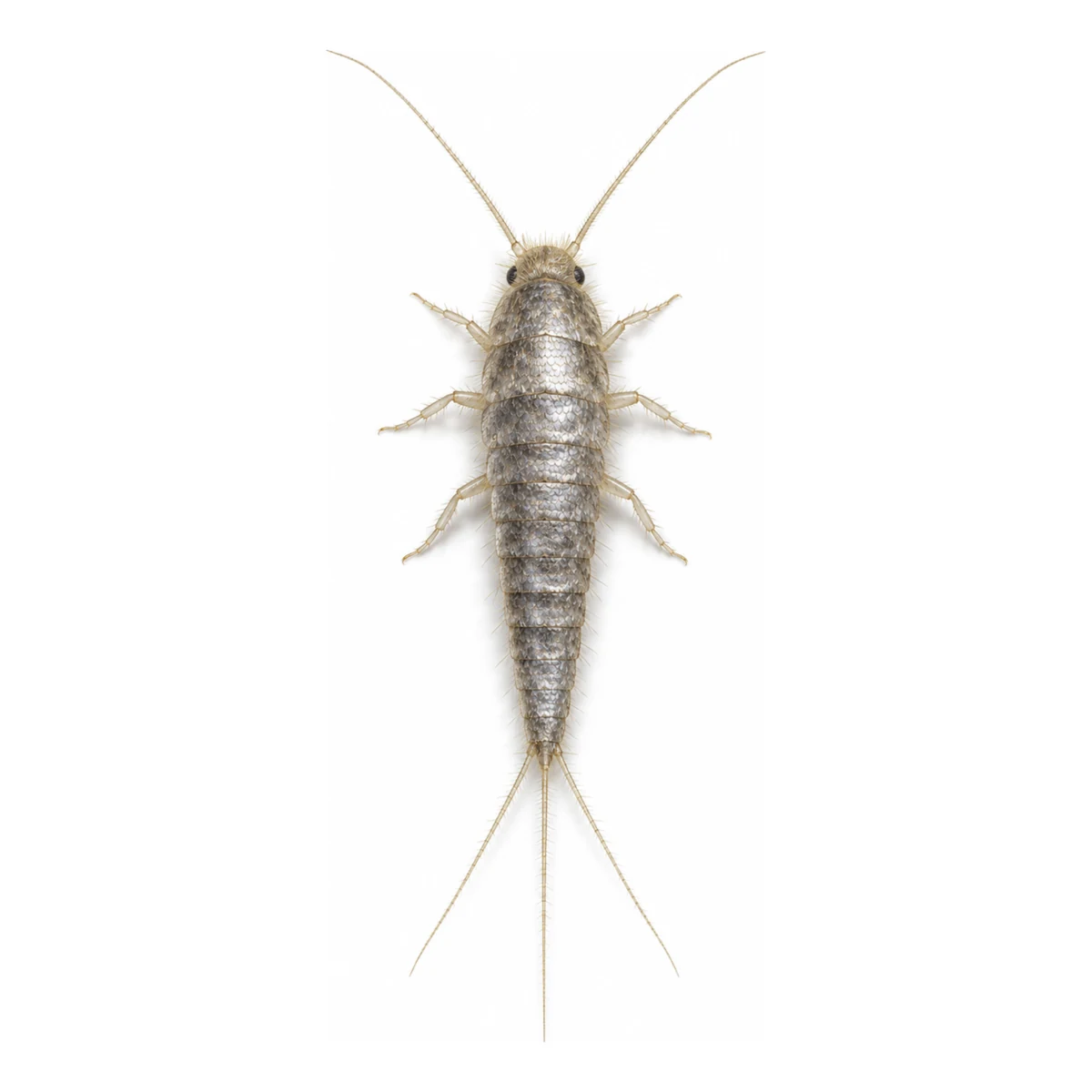
A wingless, carrot-shaped insect covered in shiny silver-gray scales, with long antennae and three long bristles on its tail. It wiggles like a fish when it runs and hides in dark, humid places.
Size: 1/2 to 3/4 inch
Where you'll find them: Bathrooms, basements, attics, closets, bookshelves and storage boxes
Why it matters: Can live and breed indoors for years. Feeds on paper, book bindings, wallpaper paste, cardboard, starch in clothing and dry foods.
Read the full Silverfish guide8. Camel Cricket
Family Rhaphidophoridae
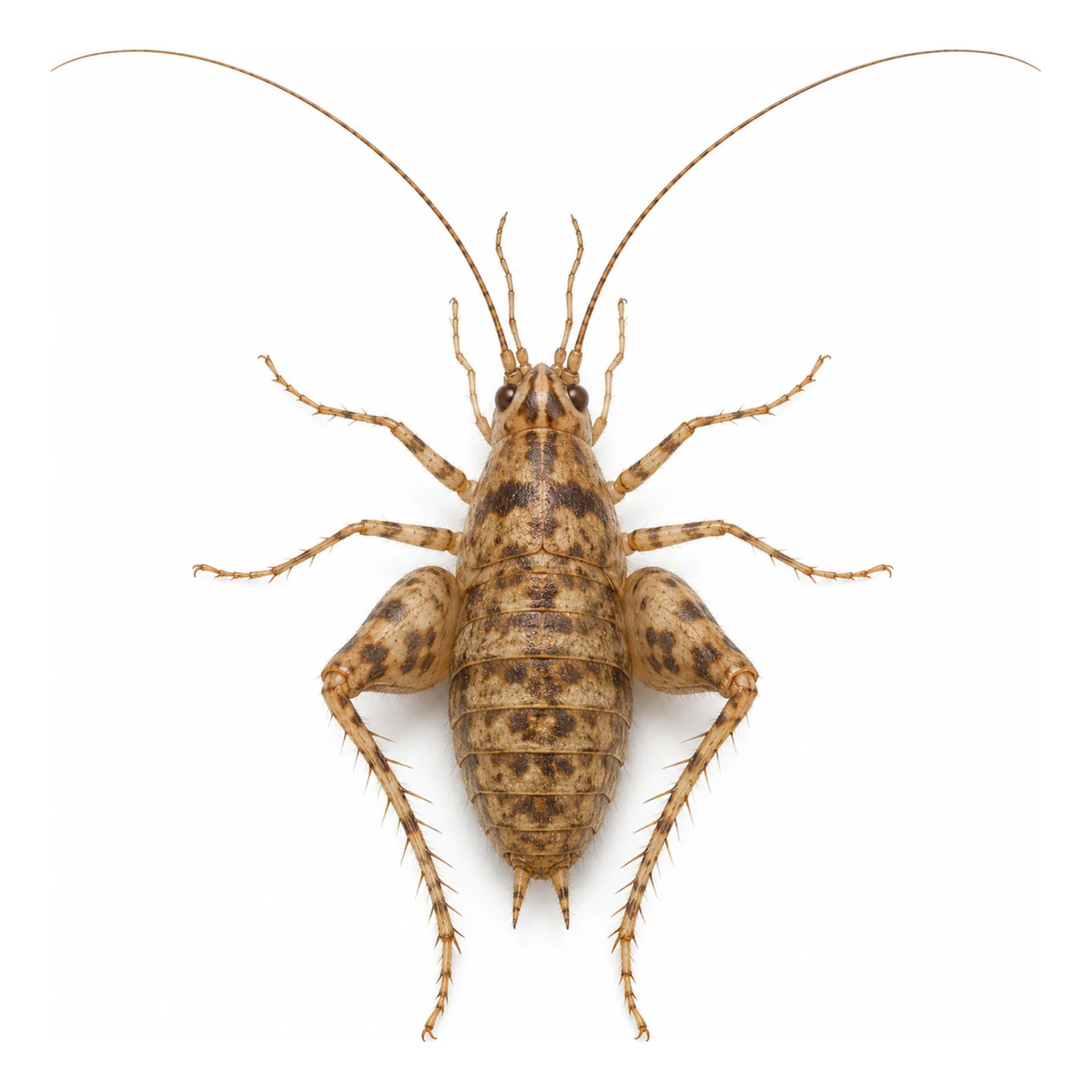
A light brown, humpbacked cricket with no wings, very long antennae and huge back legs. It doesn't chirp. When startled it jumps straight at whatever scared it, which is why people call them spider crickets or sprickets.
Size: 1/2 to 1 1/2 inches, plus long legs and antennae
Where you'll find them: Basements, crawl spaces, garages, sheds and window wells
Why it matters: Harmless, but they can build up big numbers in damp basements and chew on stored fabrics and cardboard.
Read the full Camel Cricket guideLife Cycle of Occasional Invaders
- 1
Egg
Most occasional invaders lay eggs outdoors in soil, leaf litter, mulch or on host plants and trees in spring and summer.
- 2
Young
Young bugs, crickets and earwigs look like small adults without wings. Millipedes and centipedes add more segments and legs each time they molt.
- 3
Adult
Adults feed and breed outside through summer. In fall, many look for a sheltered spot in a home to wait out the winter, then head back out in spring.
Mistaken Identity: Occasional Invader Look-Alikes
Kissing Bugs
Look a bit like stink bugs but have a long, cone-shaped head and orange or red bands on the body edge. They're rare in homes here.
Western Conifer Seed Bugs
Brown and similar in size to stink bugs, but longer and narrower, with flat, leaf-like widenings on the back legs.
House Flies
Smaller than cluster flies, with gray stripes on the back instead of golden hairs. House flies breed in garbage, cluster flies don't.
Wolf Spiders
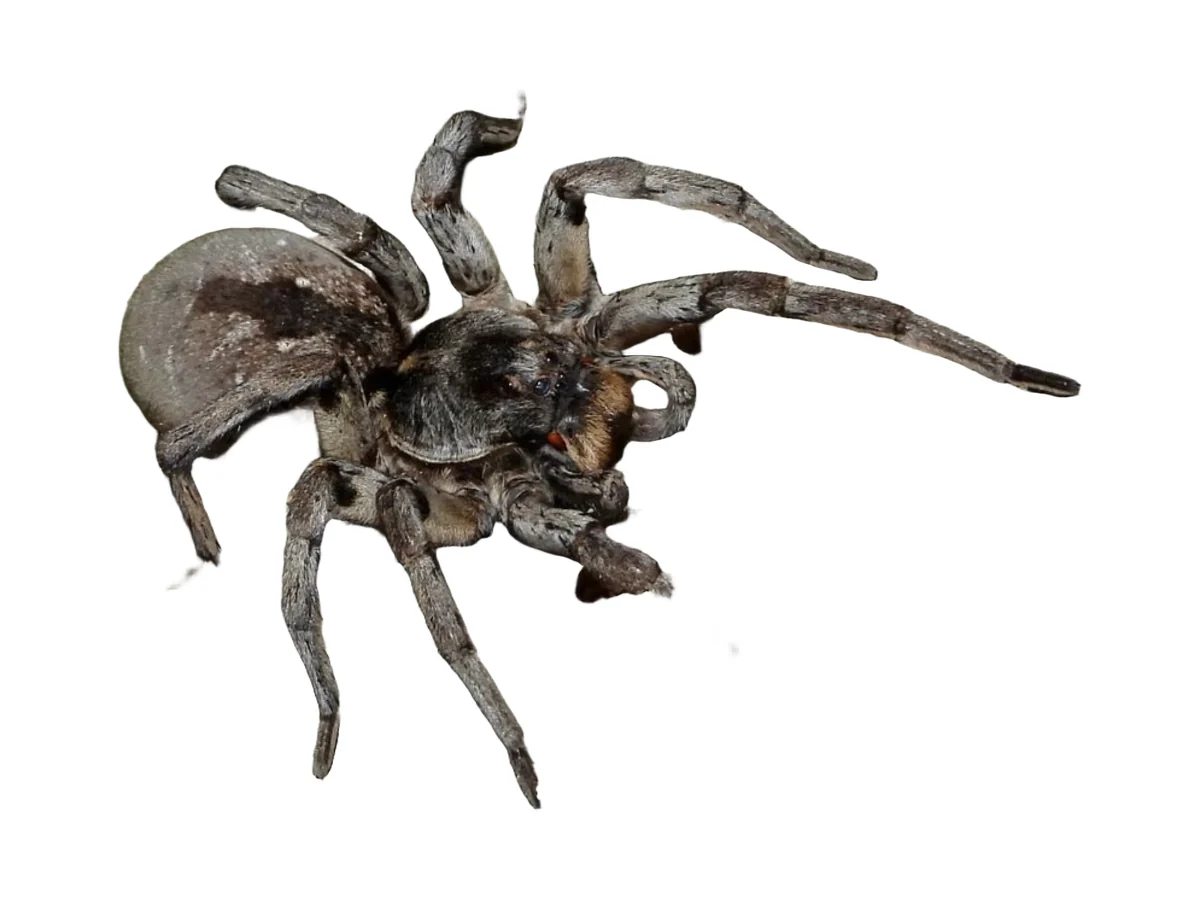
Fast and leggy like a house centipede, but with eight legs and a body in two parts.
Signs of a Occasional Invader Problem
- Clusters of bugs on sunny siding, around windows and doors in fall
- Bugs crawling around windows, lights and ceilings on warm winter days
- Dead millipedes or crickets piling up along garage and basement walls
- A bad smell when a stink bug is disturbed or crushed
- Silverfish in sinks and tubs, or damage to papers and cardboard
- Flies buzzing at upstairs windows in late winter
How to Keep Occasional Invaders Out
- Seal cracks and gaps around windows, doors, siding, soffits, utility lines and vents before late summer.
- Repair torn window and vent screens and install door sweeps.
- Pull mulch and leaf litter a foot or more away from the foundation.
- Fix leaks, clean gutters and run a dehumidifier in damp basements and crawl spaces.
- Switch outdoor lights to yellow bug bulbs to draw fewer insects to the house.
- Vacuum up bugs inside instead of crushing them, and empty the vacuum outside.
How We Get Rid of Occasional Invaders
We identify the invader first, because a stink bug problem in the attic is solved differently from millipedes in the garage or silverfish in the bathroom.
For fall invaders we apply a barrier treatment to the outside walls, eaves and entry points in late summer, before they start looking for a way in, and point out gaps that should be sealed.
For moisture-loving pests we treat the perimeter, crawl space and other damp areas and recommend fixes for the moisture problem. Quarterly service keeps the barrier strong through every season.