
Spiders: Identification, Pictures and Treatment
How to identify the spiders in Bowling Green homes and yards, and which ones you actually need to worry about
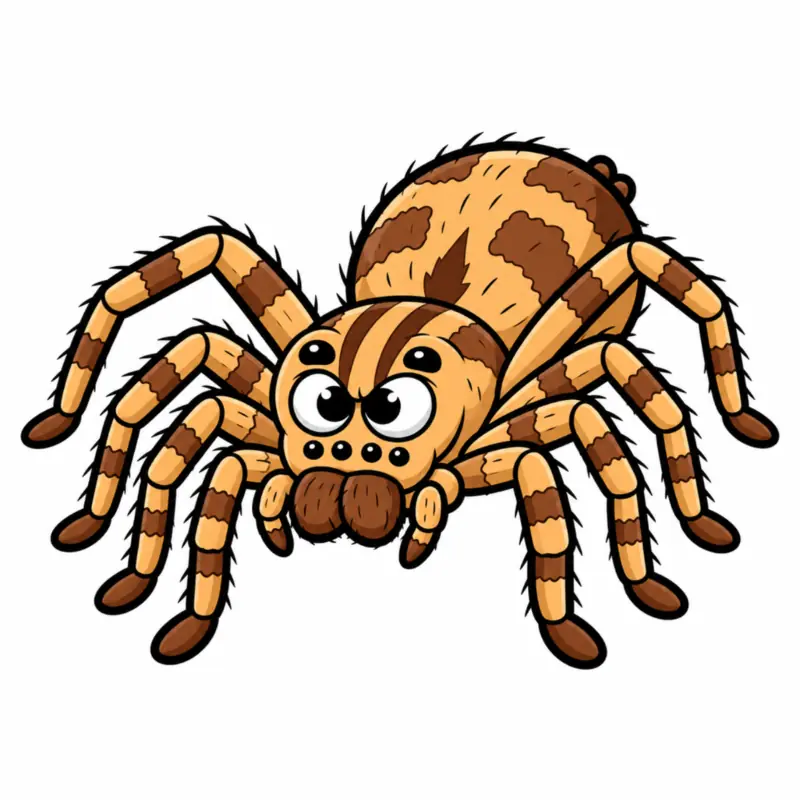
What Do Spiders Look Like?
Types of Spiders in Bowling Green
These are the spiders we see most in and around Bowling Green homes. Tap a picture to jump to it.
Spider Facts
- Class:
- Arachnida
- Size:
- 1/8 inch to over 1 inch body length
- Legs:
- 8
- Body parts:
- 2: cephalothorax and abdomen
- Eyes:
- Usually 8, sometimes 6
- Diet:
- Insects and other small bugs
- Life span:
- About 1 to 2 years, some much longer
- Common in Bowling Green:
- 8 kinds
Have a spider problem that needs fixing?
Table of Contents
- What do spiders look like?
- Types of spiders in Bowling Green
- How to identify spiders
- Which spider bites are dangerous?
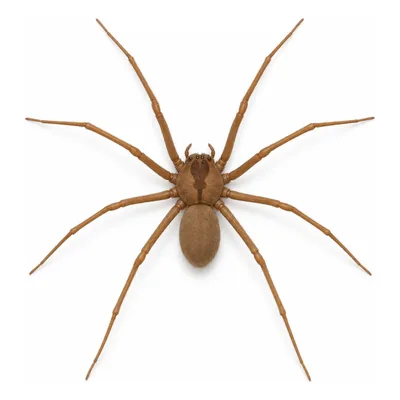
- 1. Brown Recluse
- 2. Southern Black Widow
- 3. Wolf Spider
- 4. Yellow Garden Spider
- 5. Cellar Spider
- 6. Bold Jumping Spider
- 7. Common House Spider
- 8. Yellow Sac Spider
- Life cycle of spiders
- Spider look-alikes
- Signs of a spider problem
- How to keep spiders out
- How we get rid of spiders
Almost every home in Bowling Green has a few spiders, and most of them are harmless. They eat flies, mosquitoes, roaches and other insects, and they'd much rather hide than bite. A spider problem usually means there's a bug problem feeding it.
Two spiders here are different: the brown recluse and the black widow. Kentucky sits right in the middle of brown recluse country, and both can give a bite that needs a doctor. This page shows the spiders we find most around Warren County so you can tell which is which.
How to Identify Spiders
Spiders aren't insects. They have eight legs, no antennae and no wings, and their body has two main parts instead of three. The front part, the cephalothorax, holds the eyes, fangs, legs and a pair of short feelers called pedipalps. The back part, the abdomen, holds the silk glands and spinnerets.
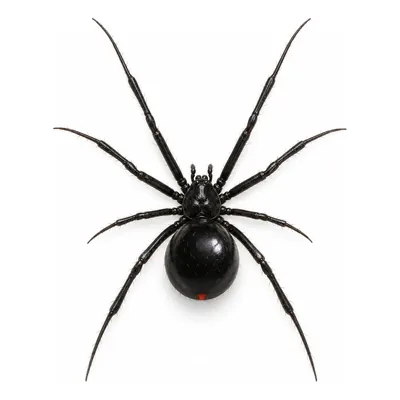
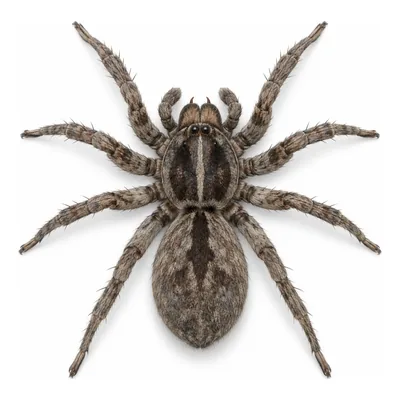
The quickest ways to tell spiders apart are the pattern on the back, the shape of the abdomen, the leg length and the eyes. A brown recluse has six eyes and a dark violin shape on its back, a wolf spider has two big headlight eyes and a striped back, and a black widow has a round, shiny black abdomen.
Many spiders build webs, but some of the most common ones in homes, like wolf spiders and recluses, hunt on the floor and only use silk for egg sacs and hiding spots.
Which Spider Bites Are Dangerous?
Most spiders can bite, but very few can hurt you. Their fangs are too small to break skin or their venom is too weak to matter. Many "spider bites" turn out to be something else, like a skin infection. Here's how the spiders in this area stack up.
Brown recluse: see a doctor
The bite often isn't felt at first. Over the next day it can turn red, blister and form a sore that may slowly break down the skin. Most bites heal on their own, but some need medical care. Clean the bite, put ice on it and call a doctor, especially if it spreads, darkens or you feel sick.
Black widow: see a doctor
The venom affects nerves. You may feel a pinprick, then muscle cramps, stomach pain, sweating or nausea within an hour. It's rarely deadly but can be serious for young children and older adults. Get medical care right away.
Wolf, orb weaver and house spiders: minor
Larger spiders can give a painful bite, a bit like a bee sting, with some redness and swelling. Wash it, use a cold pack and watch it for signs of infection.
Cellar and jumping spiders: rarely bite
These almost never bite people, and when they do it's mild. Cellar spiders can barely break skin.
A Closer Look at Each Type
1. Brown Recluse
Loxosceles reclusa
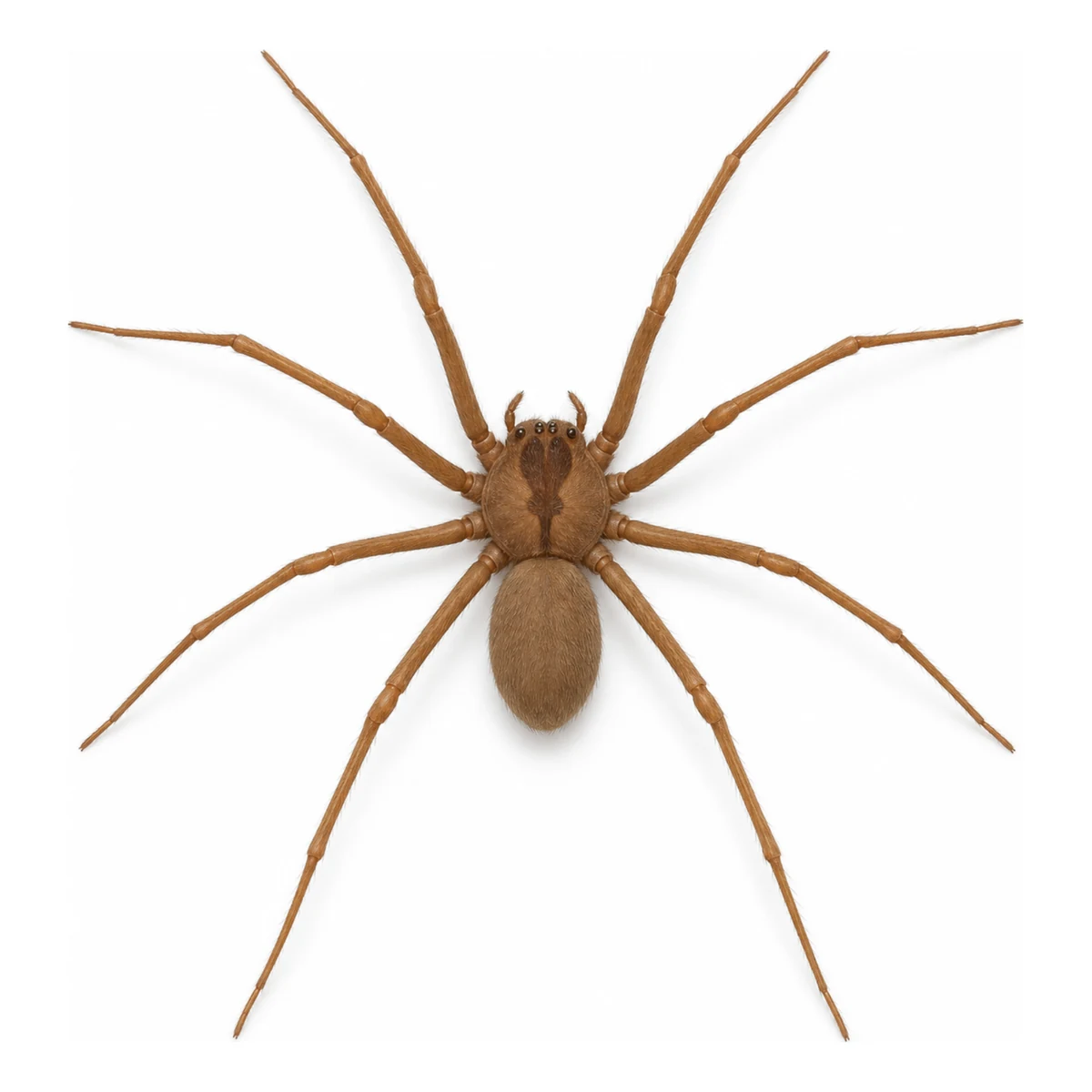
A plain tan to brown spider with long, thin legs and a dark violin-shaped mark on the front of its body, with the neck of the violin pointing back. It has six eyes in three pairs instead of eight, and no bands or stripes on its legs. Recluses hunt at night and hide in dark, undisturbed clutter.
Size: About 3/8 inch body, about the size of a quarter with legs
Where you'll find them: Closets, attics, basements, storage boxes, behind furniture and inside shoes or clothing left on the floor
Why it matters: Its bite can cause a slow-healing sore. Where there's one there are usually many, so a recluse sighting is worth a professional inspection.
Read the full Brown Recluse guide2. Southern Black Widow
Latrodectus mactans
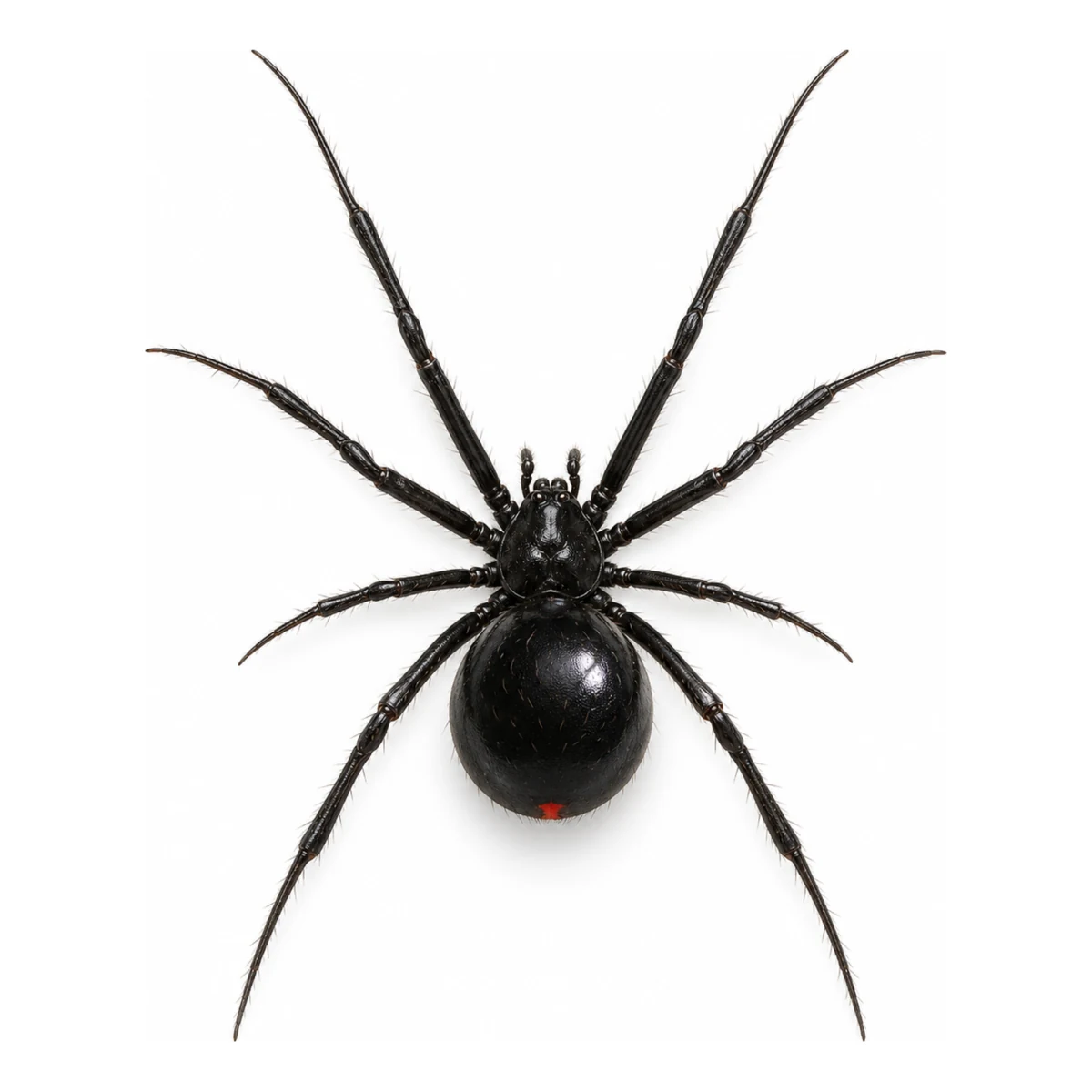
Females are glossy jet black with a round, bead-like abdomen and a red hourglass on the underside. Many also have a red spot on top near the rear. Males and young spiders are smaller and paler with red and white markings. They hang upside down in messy, tangled webs close to the ground.
Size: About 1/2 inch body (female), 1 1/2 inches with legs
Where you'll find them: Woodpiles, under decks, in sheds and garages, around meter boxes, outdoor furniture and stacked flowerpots
Why it matters: The most venomous spider in Kentucky. Wear gloves when moving firewood or reaching into dark corners outside.
Read the full Southern Black Widow guide3. Wolf Spider
Hogna and other Lycosidae species
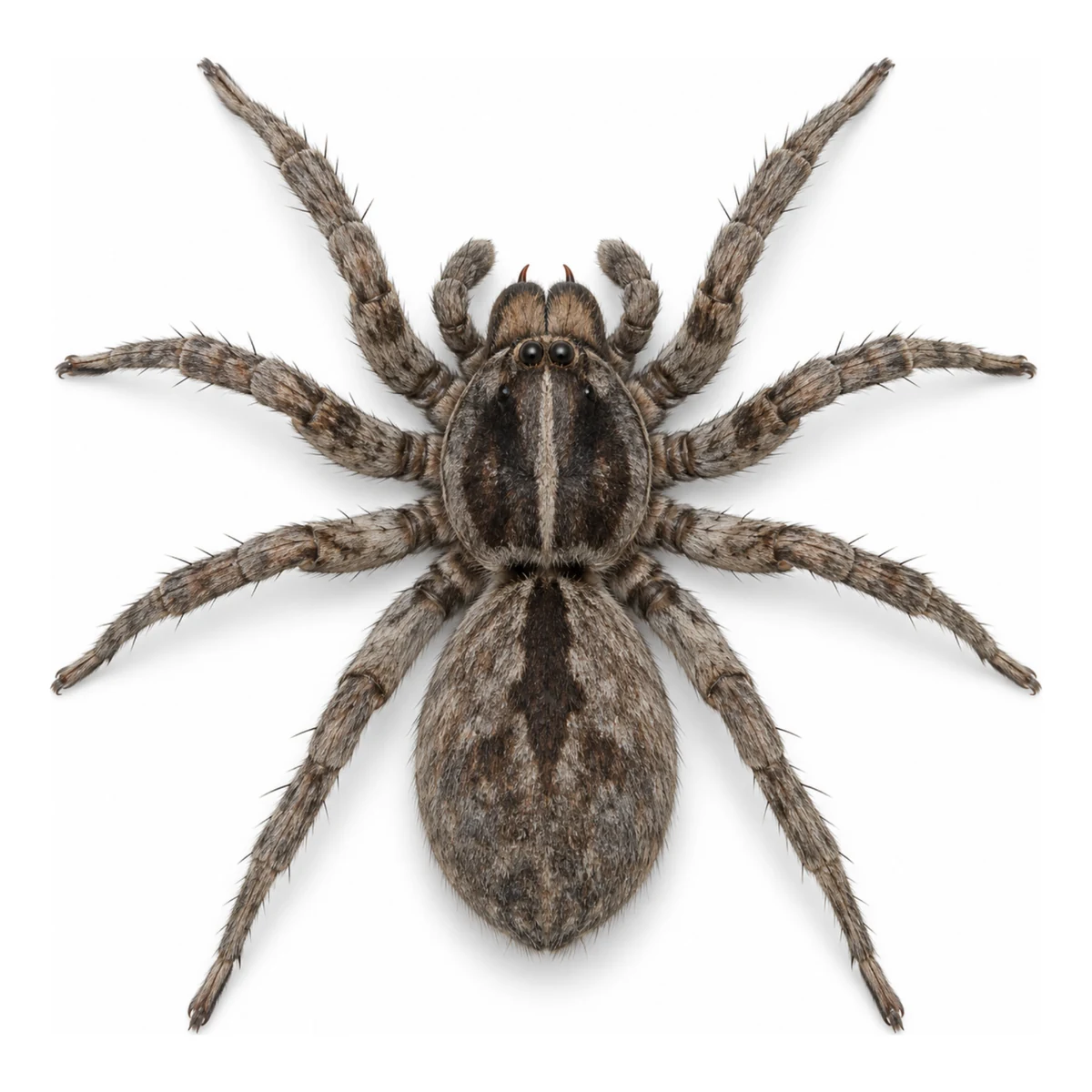
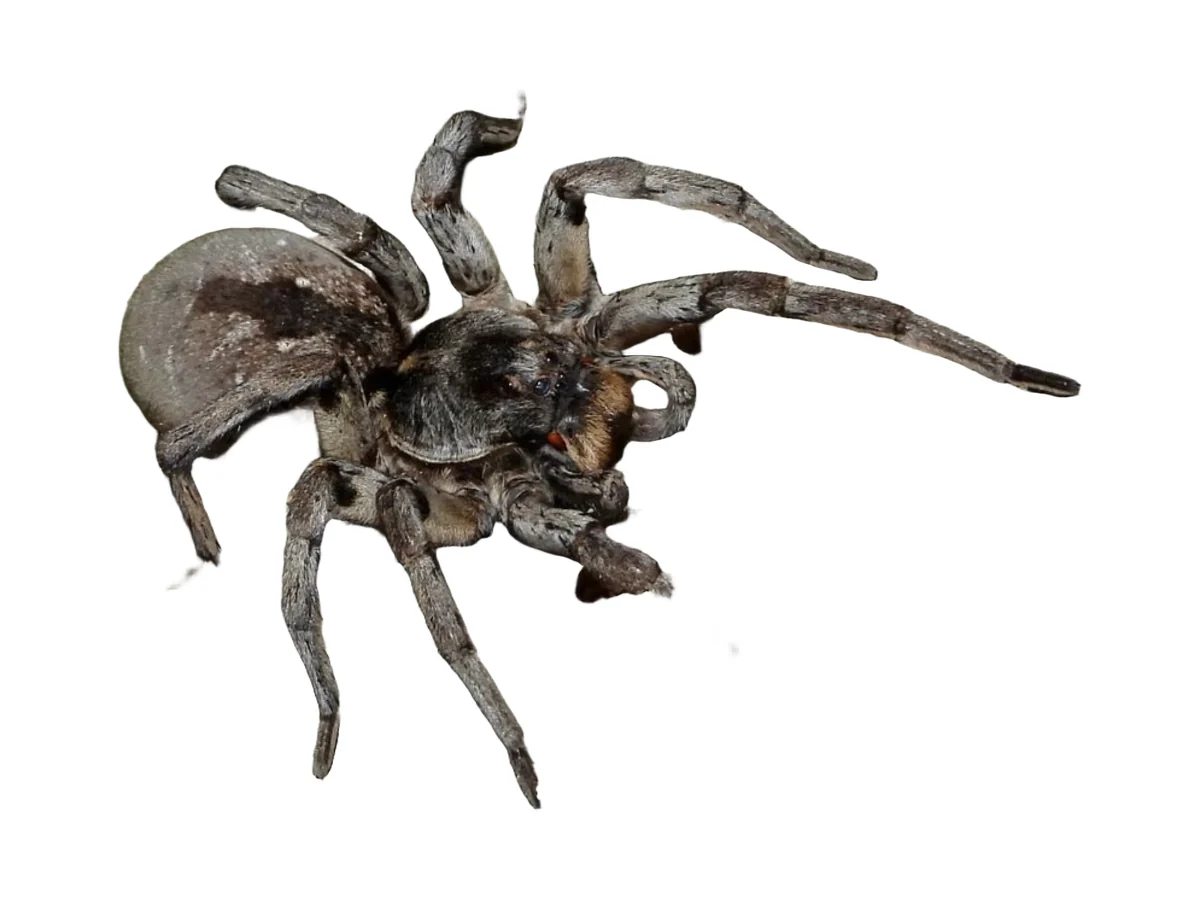
Big, hairy, fast spiders in mottled gray and brown, with stripes down the back. Two large eyes in the middle row shine like headlights in a flashlight beam. They don't build webs. Females carry their egg sac on their spinnerets, and later carry the babies on their back.
Size: 1/2 to over 1 inch body
Where you'll find them: Running across floors, along baseboards and in basements and garages, especially in fall. Outdoors in grass, mulch and leaf litter
Why it matters: Scary to see but not dangerous. A bite is painful but minor. They're often mistaken for brown recluses.
Read the full Wolf Spider guide4. Yellow Garden Spider
Argiope aurantia
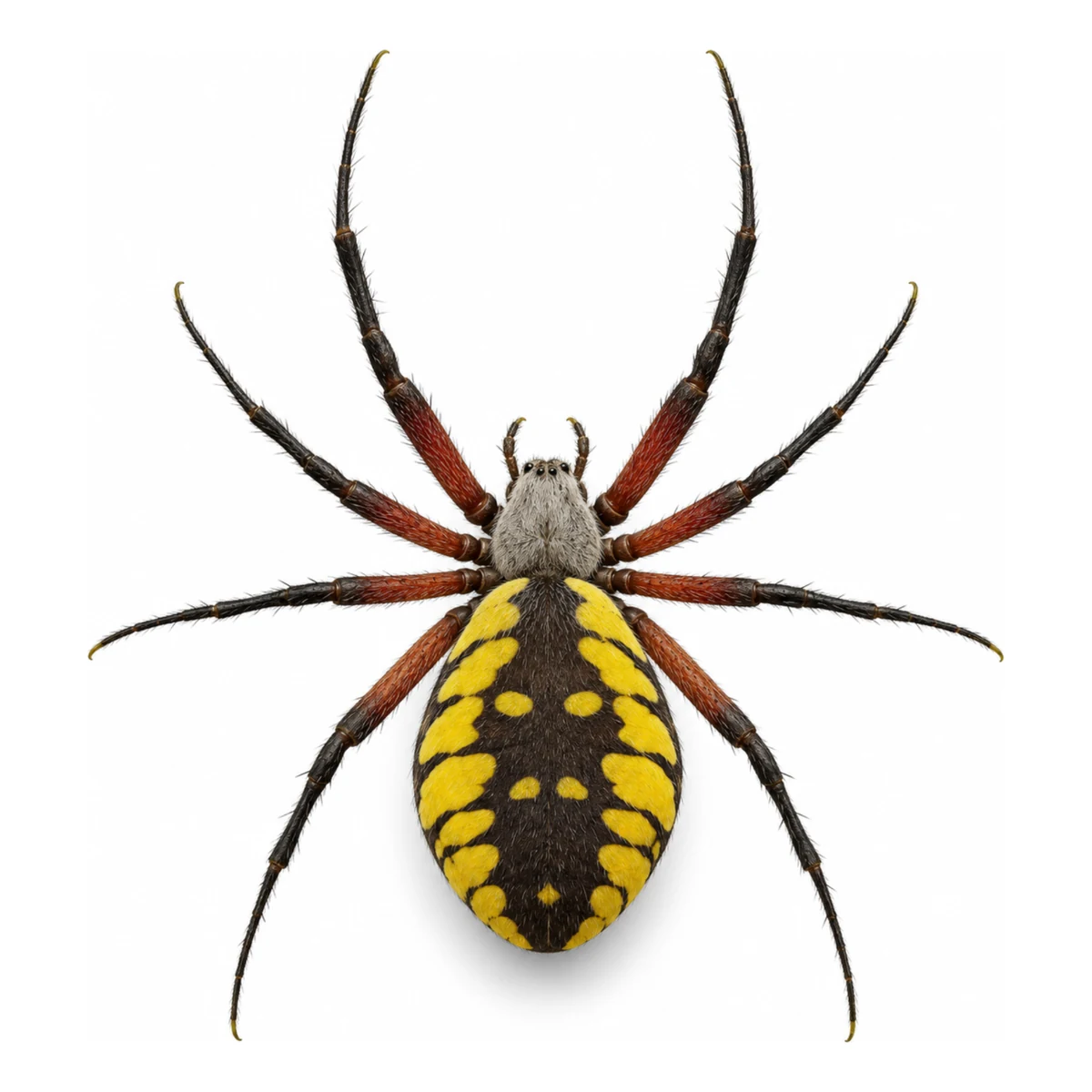
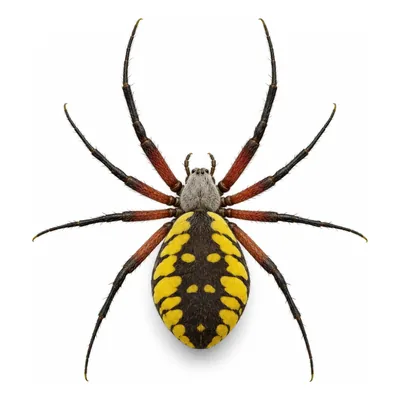
The most eye-catching of our orb weavers, with a big black-and-yellow abdomen, silvery head and long banded legs. It sits head-down in the center of a round web, often with a thick zigzag of silk running through the middle. Barn spiders and spotted orb weavers build similar webs around porches and lights.
Size: 3/4 to 1 1/8 inch body (female)
Where you'll find them: Gardens, shrubs, tall grass and eaves in late summer and fall, in large wheel-shaped webs
Why it matters: Harmless and helpful. They catch a lot of flying insects. Webs around doors and lights are the main nuisance.
Read the full Yellow Garden Spider guide5. Cellar Spider
Pholcus phalangioides and related species
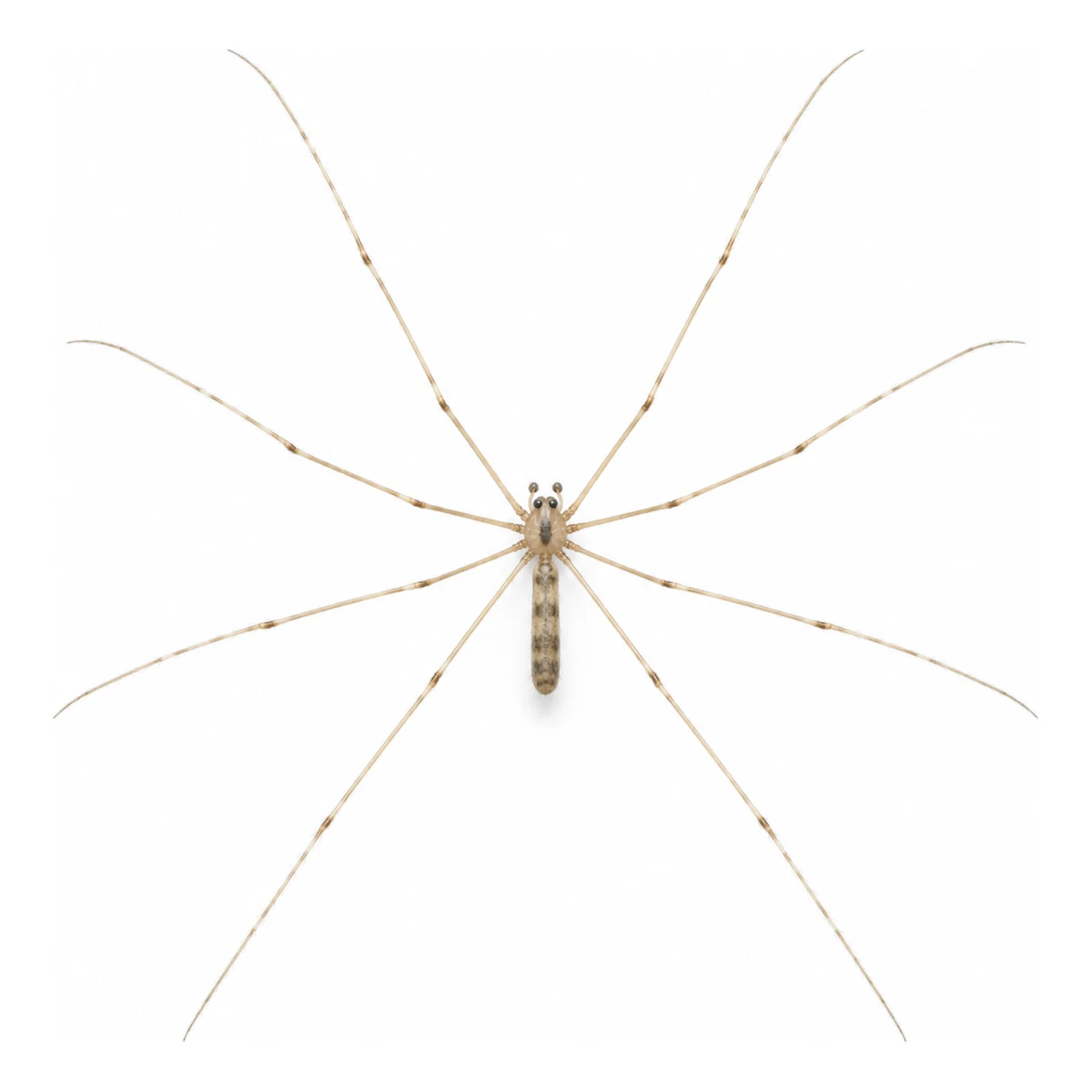
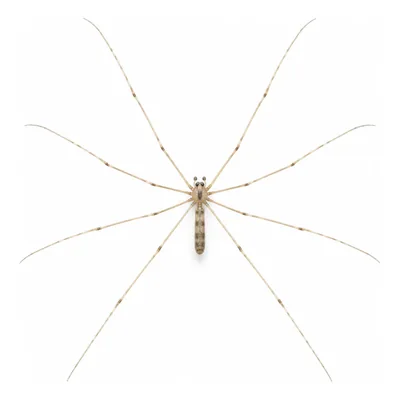
A tiny pale tan body on extremely long, thin legs. Cellar spiders build loose, messy webs in corners and shake rapidly in the web when disturbed. Many people call them daddy longlegs.
Size: 1/4 inch body with legs up to 2 inches across
Where you'll find them: Basement ceilings, crawl spaces, garage corners, closets and bathrooms
Why it matters: Harmless to people, but their webs pile up fast in basements and garages. They even eat other spiders, including recluses.
Read the full Cellar Spider guide6. Bold Jumping Spider
Phidippus audax
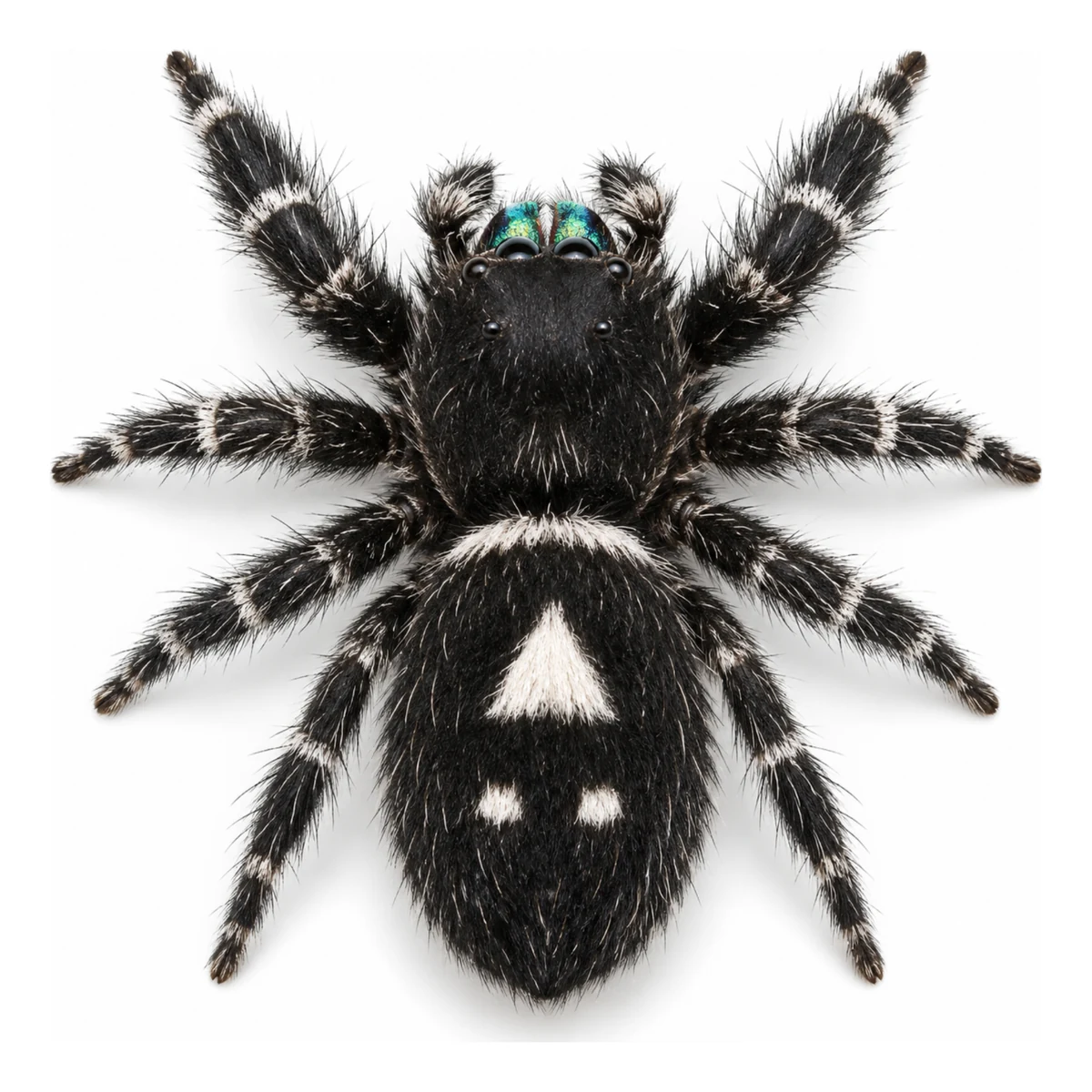
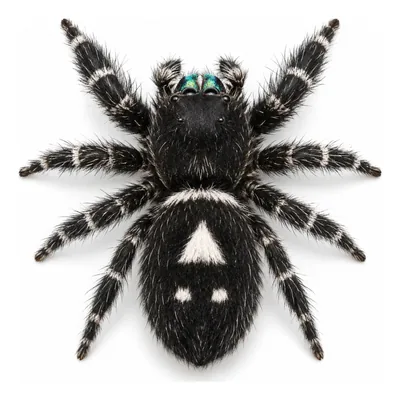
A compact, fuzzy black spider with white spots and bands on its back, and shiny green or blue fangs. It has huge forward-facing eyes, turns to look at you and can jump many times its own body length. It hunts by sight instead of using a web.
Size: 1/4 to 3/4 inch body
Where you'll find them: Sunny walls, windowsills, decks, fences and siding
Why it matters: Harmless and curious. Bites are very rare and mild.
7. Common House Spider
Parasteatoda tepidariorum
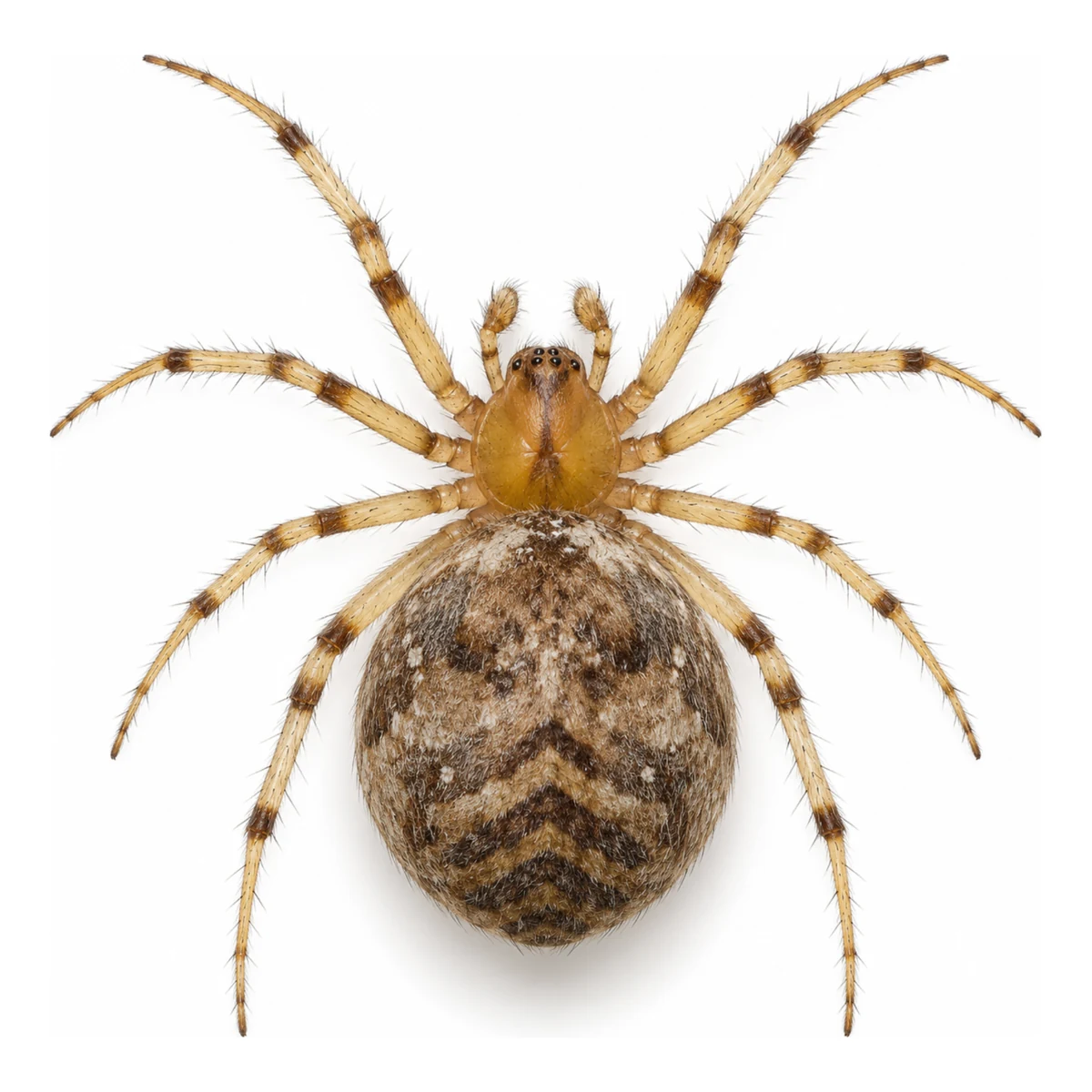
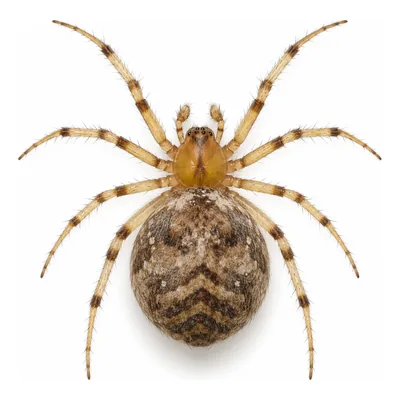
A small, tan to brown spider with a round abdomen mottled in brown, gray and white, and banded legs. It's a cousin of the black widow and builds the same kind of tangled cobweb, which is where most household cobwebs come from.
Size: About 1/4 inch body
Where you'll find them: Upper corners of rooms, windows, behind furniture, garages and under eaves
Why it matters: Harmless, but the reason for cobwebs in corners. Lots of them usually means lots of small insects inside.
8. Yellow Sac Spider
Cheiracanthium inclusum
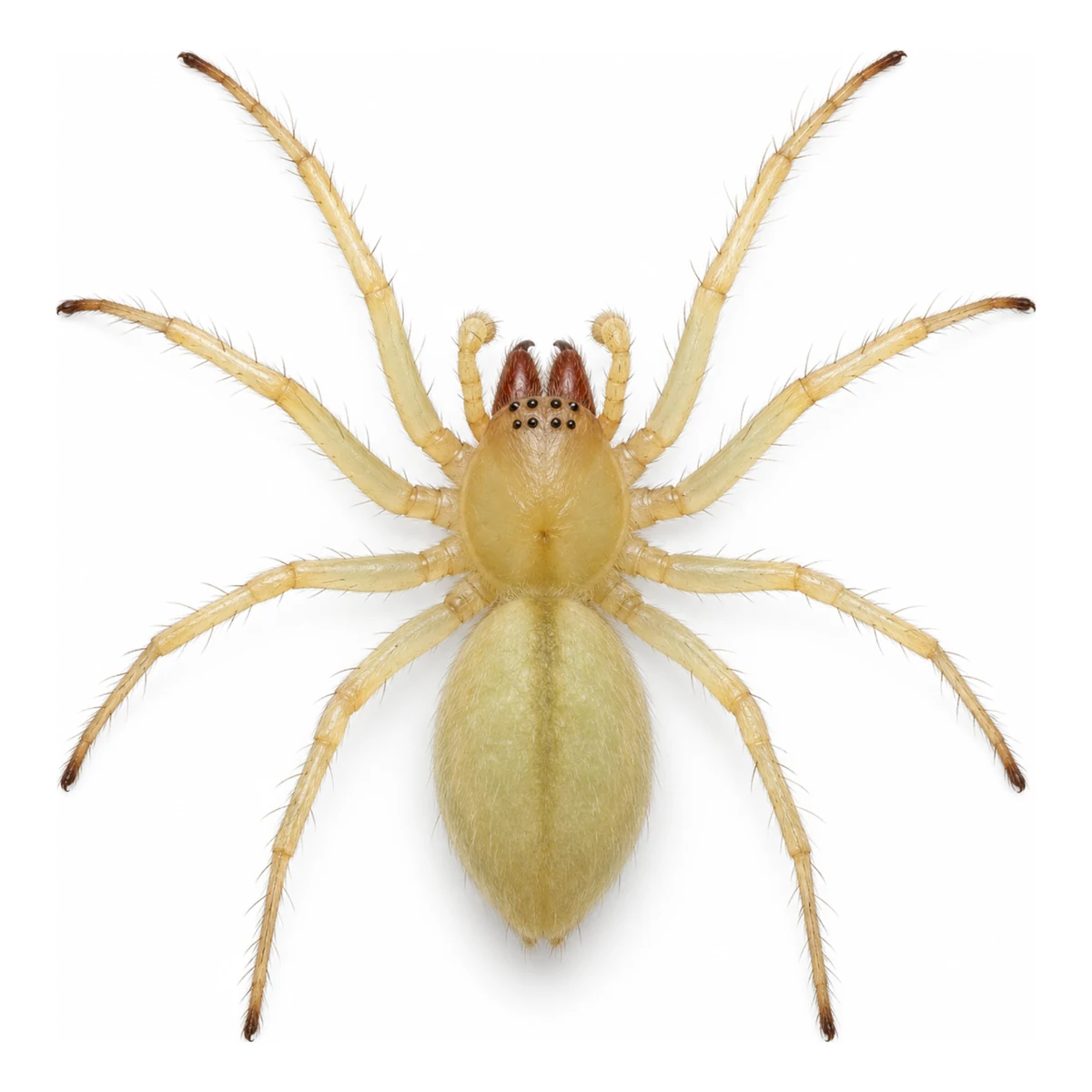
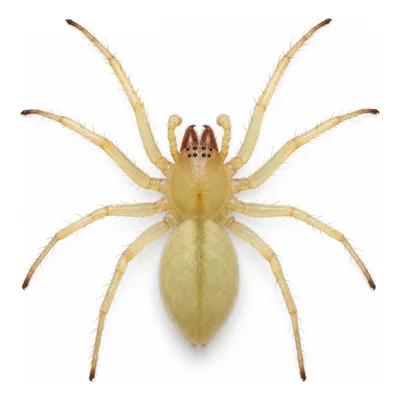
A pale yellow to greenish-cream spider with darker brown feet and mouthparts and no markings. It doesn't build a web. It wanders at night hunting and spends the day tucked in a small white silk pouch, often where the wall meets the ceiling.
Size: About 1/4 inch body
Where you'll find them: Wall and ceiling corners, behind pictures and in window frames, where it rests in a small silk sac during the day
Why it matters: One of the more common causes of real spider bites indoors. The bite is painful and may redden or blister, but it heals on its own.
Life Cycle of Spiders
- 1
Egg sac
Females wrap dozens to hundreds of eggs in a silk sac. Some hang it in the web, some hide it, and wolf spiders carry it.
- 2
Spiderling
Tiny spiderlings hatch and leave the sac. Many drift away on strands of silk to spread out to new places.
- 3
Molting
Spiders shed their skin 5 to 10 times as they grow. Finding shed skins is a clue that spiders are living and growing nearby.
- 4
Adult
Most local spiders reach adulthood in under a year. Many live 1 to 2 years, and brown recluses can live several years.
Mistaken Identity: Spider Look-Alikes
Harvestmen
Daddy longlegs in the yard are often harvestmen, not spiders. They have one round body section, no venom and make no silk.
Ticks
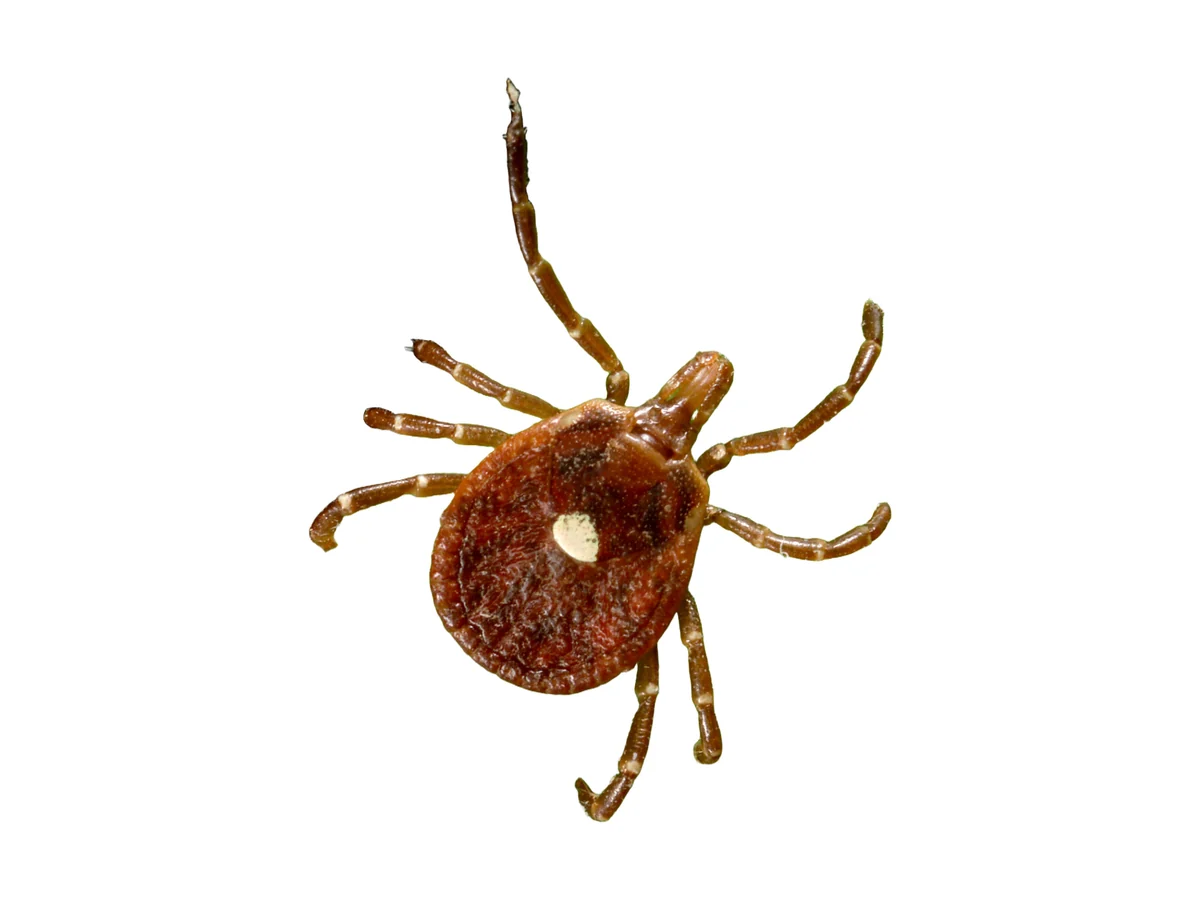
Also eight-legged, but with one flat oval body and no waist. Ticks attach and feed on blood. Spiders don't.
Grass Spiders
Brown, striped funnel-web spiders that are often mistaken for wolf spiders or recluses. They have banded legs, which recluses never do.
Centipedes
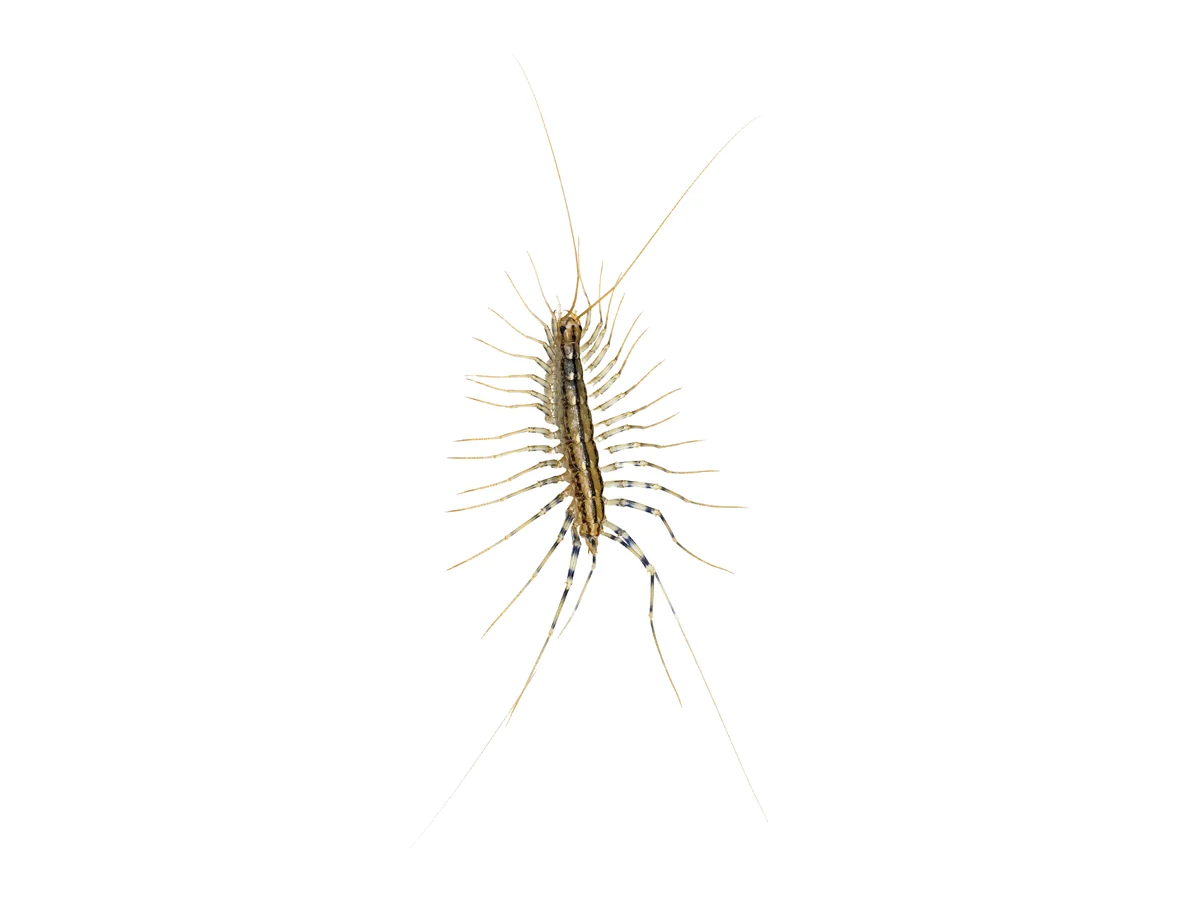
Fast and leggy like a spider, but long and flat with one pair of legs on every body segment.
Signs of a Spider Problem
- Webs in corners, ceilings, windows and around outdoor lights
- Spiders on floors, walls or in sinks and tubs, especially at night or in fall
- Small round or flat silk egg sacs in corners, under furniture or in storage boxes
- Shed spider skins in closets, boxes and basements, a common sign of brown recluses
- Lots of other insects inside, which is what spiders come to eat
How to Keep Spiders Out
- Seal gaps around doors, windows, siding and pipes, and fix torn screens.
- Cut back clutter in closets, basements, garages and attics, and use sealed plastic bins instead of cardboard boxes.
- Shake out shoes, gloves and clothing that have been on the floor or in storage before putting them on.
- Pull bed skirts off the floor and move beds a few inches from the wall in rooms with recluses.
- Keep firewood, stone and lumber piles away from the house, and wear gloves when moving them.
- Switch outdoor lights to yellow bulbs so fewer insects, and the spiders that eat them, gather by your doors.
- Vacuum webs and egg sacs regularly, and run a dehumidifier in damp basements.
How We Get Rid of Spiders
We start by figuring out which spiders you have and why they're there. Most spider problems are really insect problems, so we look for what they're feeding on and where they're getting in.
Our general pest service treats the exterior perimeter, eaves and entry points, knocks down webs and treats the cracks and voids where spiders hide indoors. Cutting the insect population is what keeps spider numbers down between visits.
Brown recluses take a more thorough approach. We inspect attics, closets and storage areas, place glue monitors to track activity, and treat hiding spots over several visits, along with sealing and clutter-reduction advice.