
Wasp & Stinging Insect Control in Bowling Green, Kentucky
Yellow jackets in the wall. Hornets under the eave. Carpenter bees destroying your deck. We remove nests safely, treat the site to prevent re-nesting, and help you take back your outdoor spaces.
Why Act Fast
Wasp Nests Double in Size Every Few Weeks
A queen wasp starts her colony in spring with just a handful of workers. By midsummer, that same nest can hold hundreds — and by August or September, a yellow jacket colony can reach 5,000 or more individuals. The longer you wait, the more dangerous and difficult removal becomes.
Stinging insects become significantly more aggressive in late summer as food sources become scarce and the colony is at its peak defensive posture. This is when most stinging incidents occur — at backyard gatherings, while mowing, or simply walking past a concealed nest.
We remove nests safely, treat sites to prevent re-nesting, and handle wall void and underground infestations that can't be safely addressed with consumer products.
What's Included
- Full exterior inspection to locate all active nests
- Safe nest removal and treatment of nesting sites
- Residual application to prevent re-nesting in treated areas
- Entry point identification for wall-nesting species
- Same or next-day service for active nest situations
- Free re-service if new activity develops in treated areas
- Family and pet-safe products once areas are dry and ventilated
Species
Stinging Insects We Remove
Each stinging insect species nests differently and requires a different removal approach.
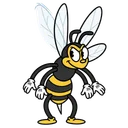
Yellow Jackets
The most aggressive stinging insect in Kentucky. They build paper nests in wall voids, ground cavities, eaves, and attics. Highly territorial and will sting repeatedly when disturbed — or even unprovoked near the nest.
Paper Wasps
Slender wasps with long legs that build open, umbrella-shaped nests under eaves, deck railings, porch ceilings, and window frames. Less aggressive than yellow jackets but will defend their nest if threatened.
Hornets (Bald-Faced)
Build large, enclosed gray paper nests in trees, shrubs, and on structures. Bald-faced hornets are significantly more aggressive than paper wasps and will pursue perceived threats well away from the nest.
Carpenter Bees
Large, solitary bees that drill perfectly round holes in bare wood — eaves, fascia boards, decks, and railings. Over time they cause structural damage and attract woodpeckers that make the damage worse.
Warning Signs
Signs You Have a Stinging Insect Problem
Visible Nests on Structures
Paper nests under eaves, in corners of window frames, or attached to porch ceilings are a clear and immediate sign. Left alone, these nests grow throughout the season and become harder and more dangerous to remove.
High Wasp Traffic Near Entry Points
Wasps repeatedly entering a crack in siding, a gap around a soffit, or a vent opening often indicates a nest in a wall void or attic space — which is far more difficult to remove and requires professional equipment.
Holes in Wood
Perfectly round, dime-sized holes drilled into bare wood are the signature of carpenter bees. Check eaves, fascia boards, decks, and pergolas. The damage compounds over time and attracts additional nesting.
Nests in the Ground
Yellow jackets frequently nest underground. You may only discover the nest when mowing, digging, or walking near it and triggering an aggressive defensive response. Ground nests can contain thousands of wasps.
Our Process
How We Remove Wasp Nests Safely
Safe Inspection
We locate all active nests on the property — including in wall voids, attics, and underground. We assess the species and the safest approach before any treatment begins.
Nest Treatment & Removal
We treat the nest with professional-grade products designed to eliminate the colony quickly and safely. Once the colony is dead, we remove the nest and treat the site to deter re-nesting.
Residual Application
We apply a residual treatment to common nesting locations — eaves, overhangs, window frames, and deck structures — to prevent new queens from starting colonies in the same areas.
Prevention Advice
We identify any conditions that attract stinging insects — exposed wood, open food sources, gaps in the structure — and provide guidance on reducing future nesting pressure.
Ready to Get Started?
Same or next-day service available. Request your free quote today.
FAQ