
Beetles: Identification, Pictures and Treatment
Everything you need to know about the beetles in Bowling Green homes and yards
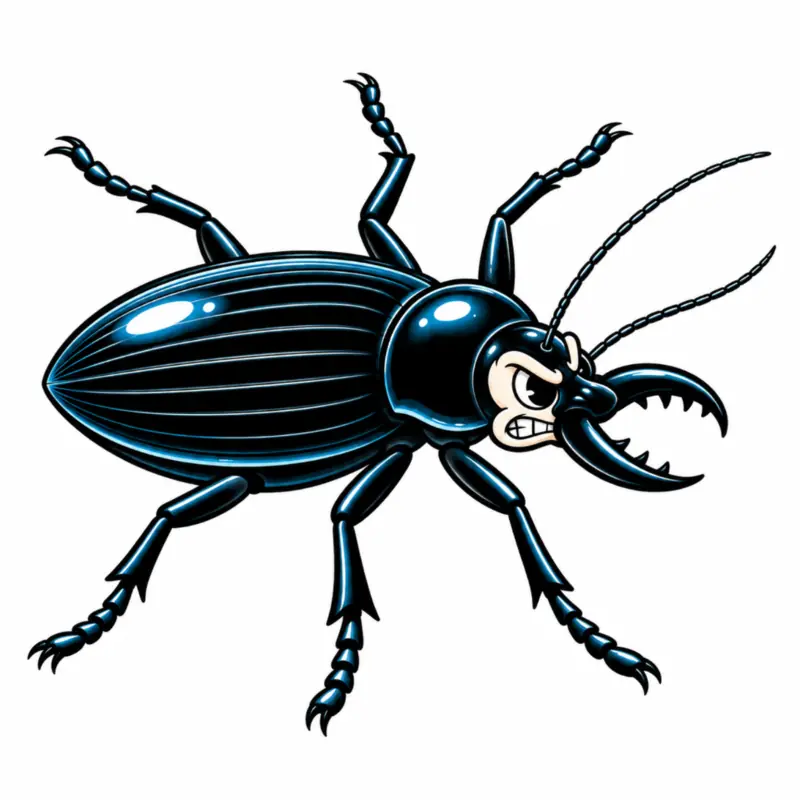
What Do Beetles Look Like?
Types of Beetles in Bowling Green
These are the beetles we run into most in Bowling Green. Tap a picture to jump to it.
Beetle Facts
- Order:
- Coleoptera
- Size:
- 1/16 inch to 2 inches
- Legs:
- 6
- Wings:
- Hard front wings over folded flying wings
- Diet:
- Plants, stored food, fabric, wood or other insects
- Life span:
- A few months to over a year
- Kinds in North America:
- About 30,000
- Common in Bowling Green:
- 10 kinds
Have a beetle problem that needs fixing?
Table of Contents
- What do beetles look like?
- Types of beetles in Bowling Green
- How to identify beetles
- 1. Asian Lady Beetle
- 2. Carpet Beetle
- 3. Ground Beetle
- 4. Japanese Beetle
- 5. June Beetle
- 6. Click Beetle
- 7. Drugstore Beetle
- 8. Sawtoothed Grain Beetle
- 9. Larder Beetle
- 10. Powderpost Beetle
- Life cycle of beetles
- Beetle look-alikes
- Signs of a beetle problem
- How to keep beetles out
- How we get rid of beetles
Beetles are the biggest group of insects on the planet, and Kentucky has thousands of kinds. Most of them never come near your house. The handful that do usually come for one of four reasons: food in the pantry, natural fibers in closets, wood in the structure, or a warm place to spend the winter.
This page covers the beetles we actually get called about in Bowling Green and Warren County, with real photos of each so you can match what you found.
How to Identify Beetles
Every adult beetle has the same basic plan. The front pair of wings has hardened into two shells called elytra. They meet in a straight line down the middle of the back and cover the thin flying wings folded underneath. That straight seam is the quickest way to tell a beetle from a cockroach or a true bug.
Behind the head is a plate called the pronotum, which covers the front of the body like a shield. Beetles have chewing mouthparts, six jointed legs and a pair of antennae. The antennae vary a lot: clubbed, saw-toothed, fan-shaped or simple threads. Pest professionals use antenna shape to tell many household beetles apart.
Beetle larvae look nothing like the adults. Most are grubs or worm-like crawlers, and in many of the household pests the larvae do the real damage.
A Closer Look at Each Type
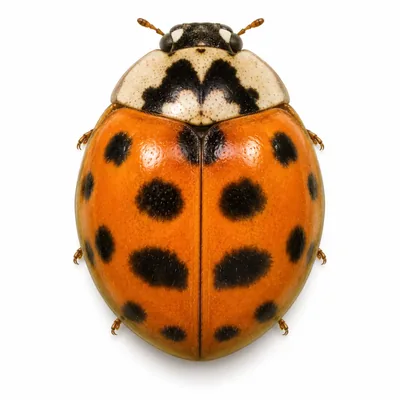
1. Asian Lady Beetle
Harmonia axyridis
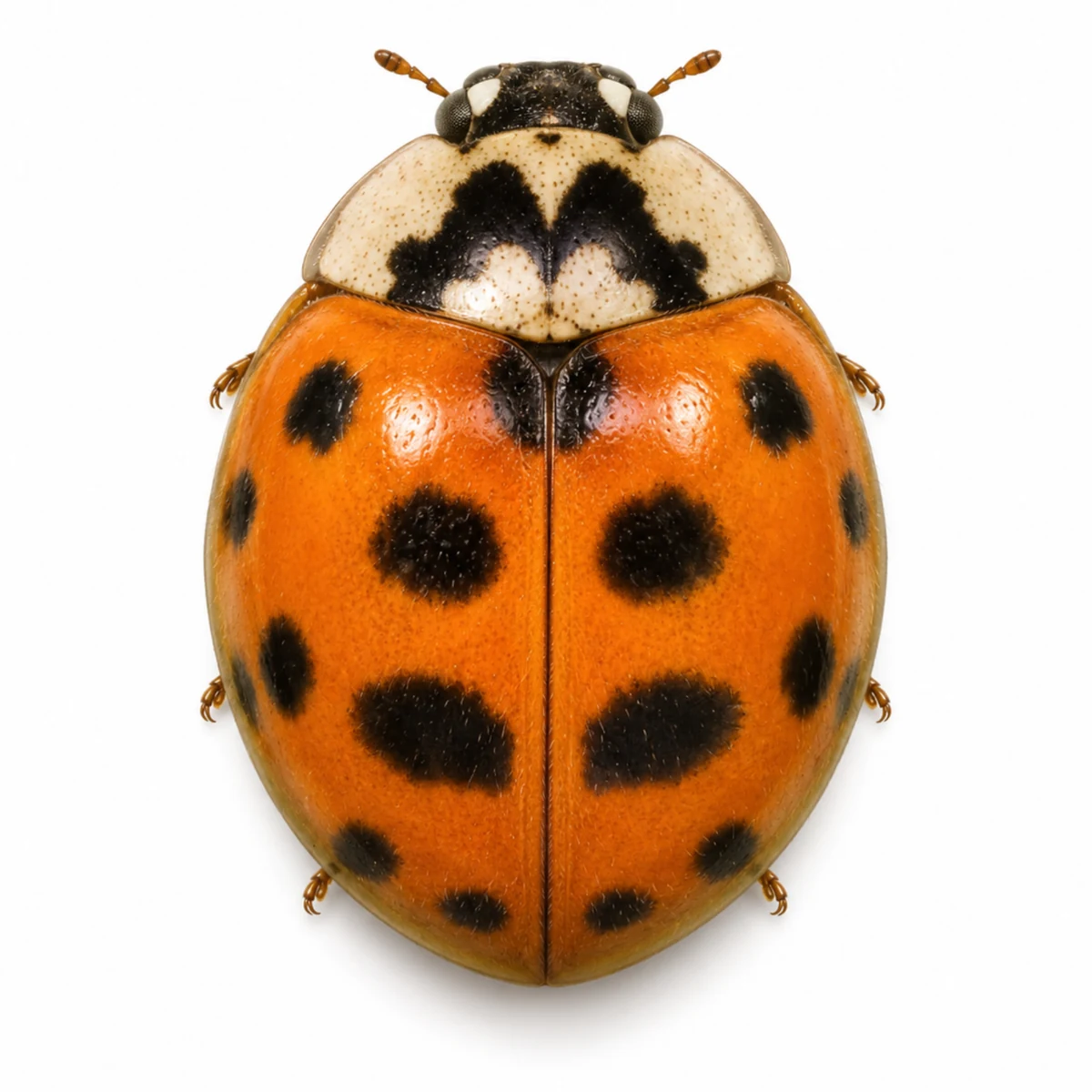
A rounded, dome-shaped beetle that ranges from pale yellow-orange to deep red, with anywhere from no spots to 19. The surest mark is a black "M" or "W" shape on the white area just behind the head. Native lady beetles do not have it.
Size: 1/4 to 3/8 inch
Where you'll find them: Sunny south and west walls in fall, then attics, window frames and light fixtures all winter
Why it matters: They don't eat anything in the house, but they gather by the hundreds, leave yellow stains, give off a sharp smell and can pinch.
Read the full Asian Lady Beetle guide2. Carpet Beetle
Anthrenus and Attagenus species
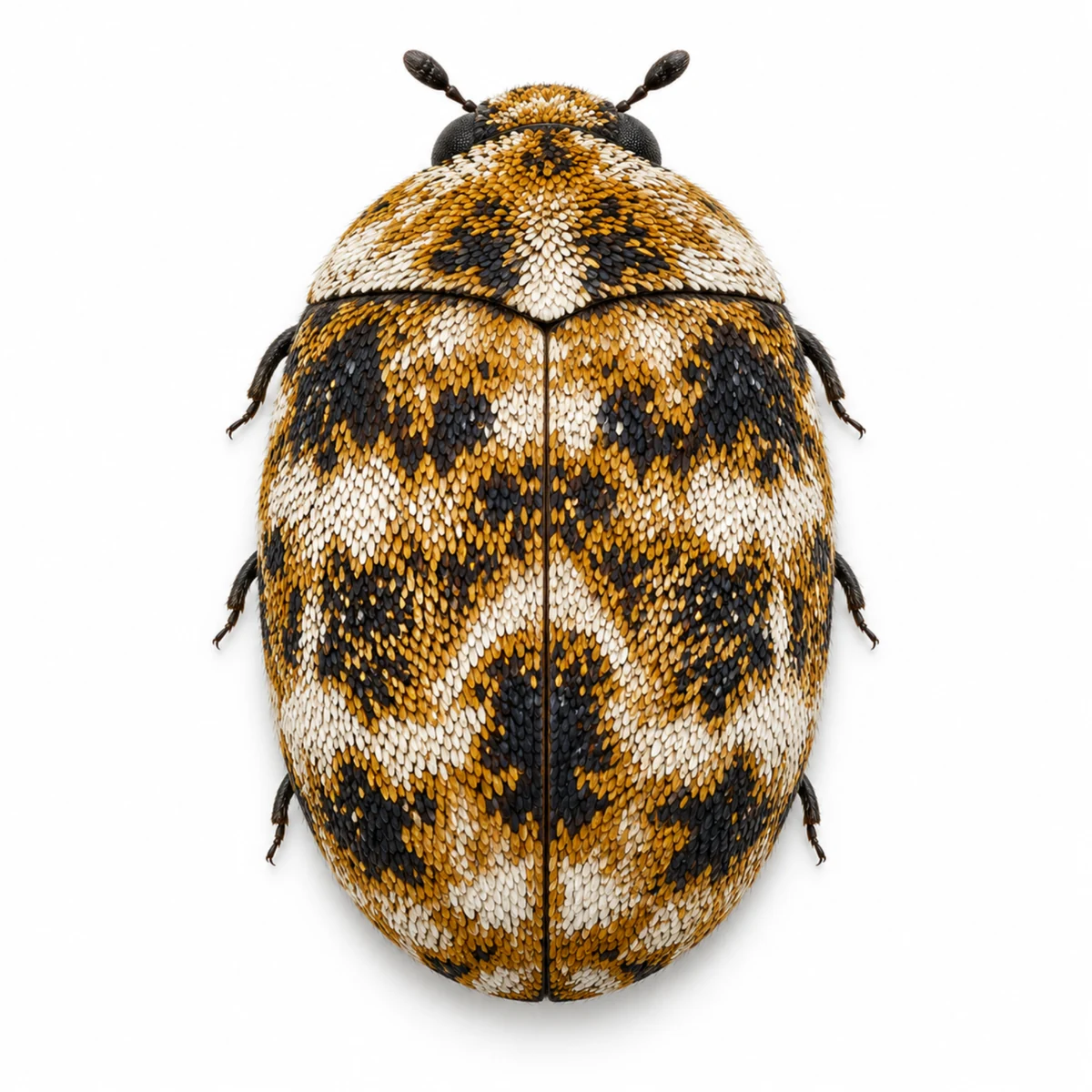
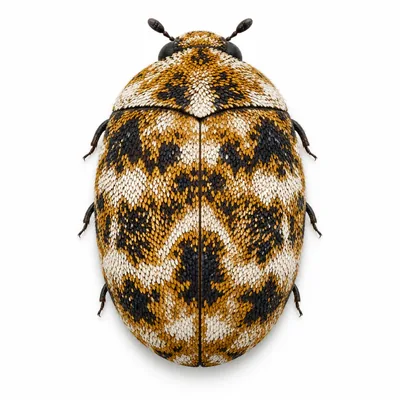
Tiny, round beetles covered in patterned scales of white, brown and yellow, a bit like a calico pattern. The larvae are fuzzy, carrot-shaped and banded with stiff hairs.
Size: 1/16 to 1/8 inch
Where you'll find them: Windowsills in spring, plus closets, under furniture, along baseboards and in stored clothing
Why it matters: The larvae chew holes in wool, silk, feathers, fur and pet hair, and their shed skins and hairs can irritate skin. They're one of the most common causes of mystery holes in clothes.
Read the full Carpet Beetle guide3. Ground Beetle
Family Carabidae
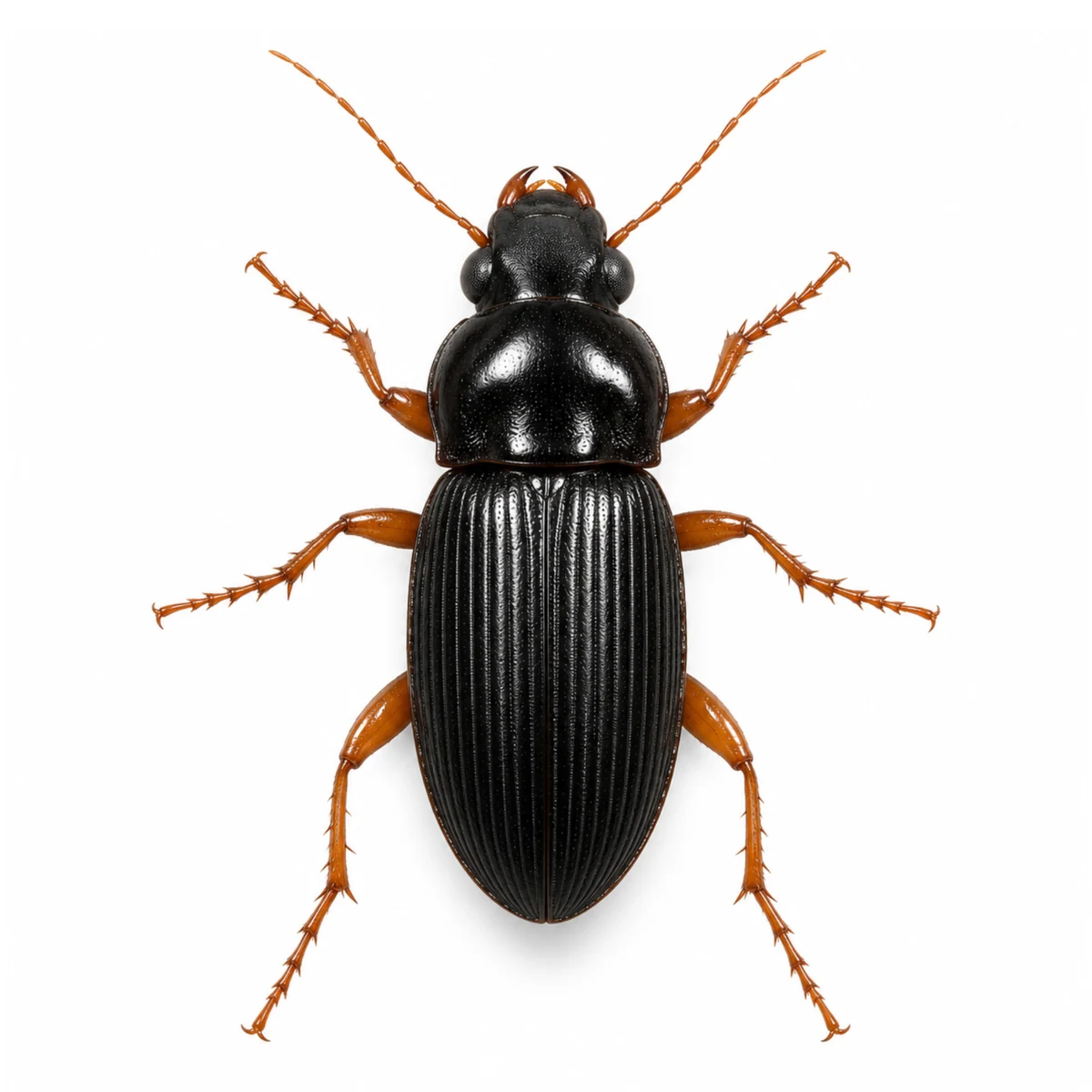
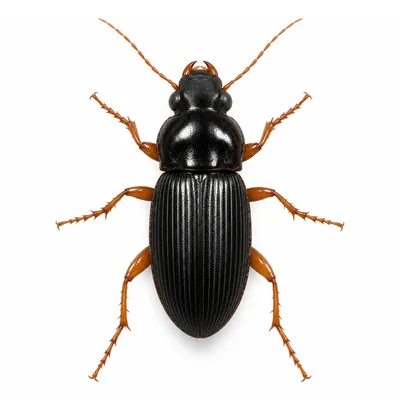
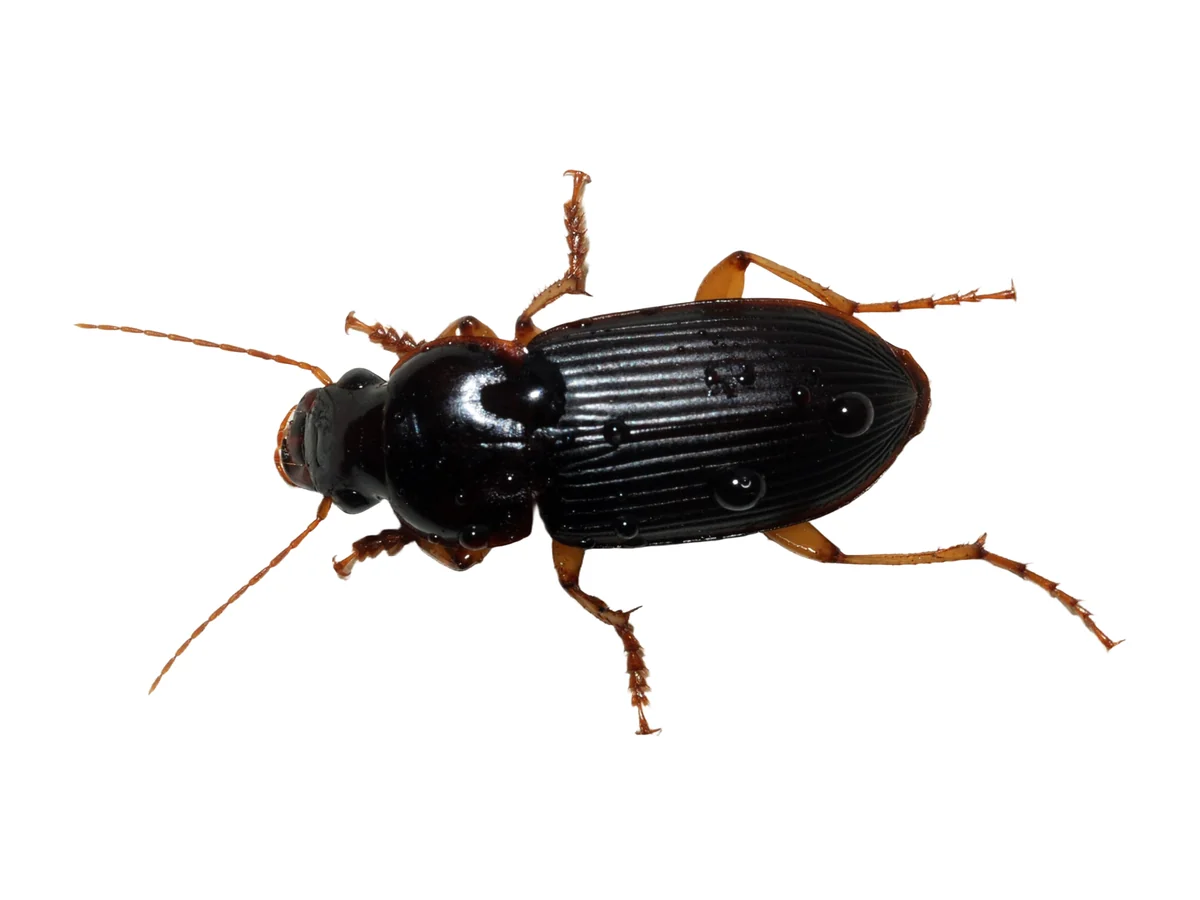
Shiny, usually black or dark brown beetles with long legs, grooved wing covers and thread-like antennae. They run fast and are often found near the porch light.
Size: 1/8 to 1 inch
Where you'll find them: Under mulch, stones and leaf litter, coming in under doors and through garages at night
Why it matters: Harmless and actually helpful outdoors, since they eat other insects. Indoors they're a nuisance that usually dies off on its own.
Read the full Ground Beetle guide4. Japanese Beetle
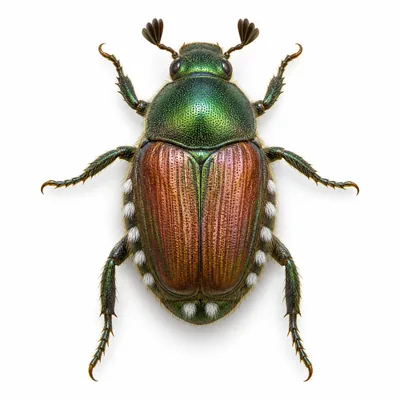
Popillia japonica
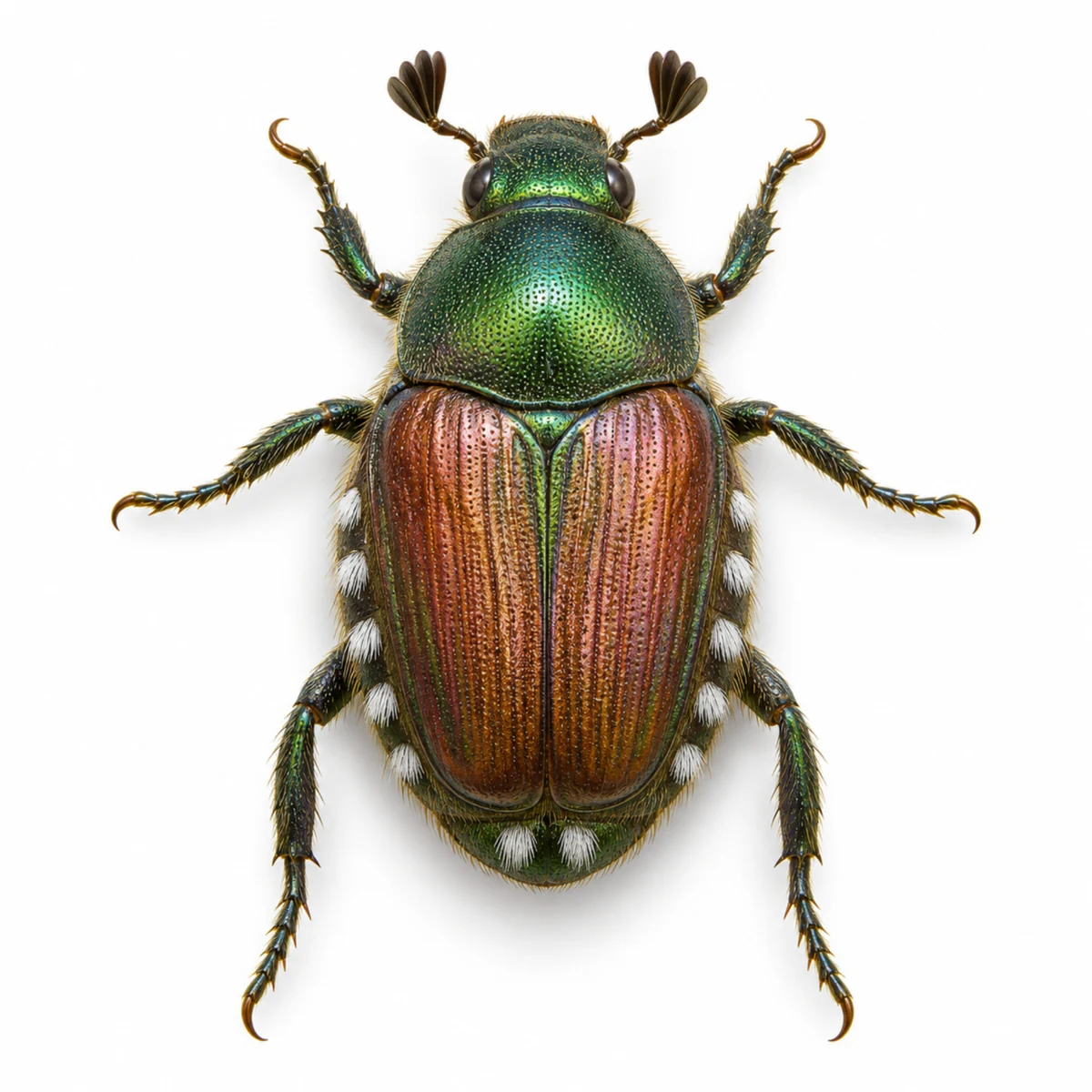
A metallic green head and thorax with copper-colored wing covers, and five small tufts of white hair along each side of the abdomen.
Size: About 1/2 inch
Where you'll find them: Roses, linden, birch, grapes and fruit trees from June to August; grubs in the lawn
Why it matters: Adults skeletonize leaves and flowers in big groups. Their white C-shaped grubs feed on grass roots and can leave brown patches that peel up like carpet.
5. June Beetle
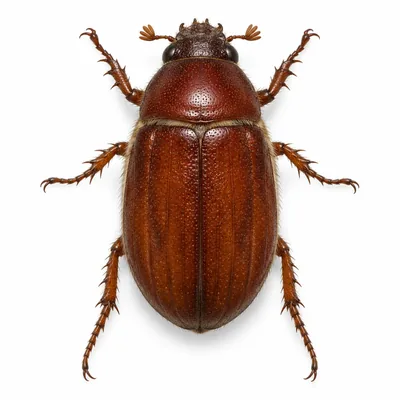
Phyllophaga species
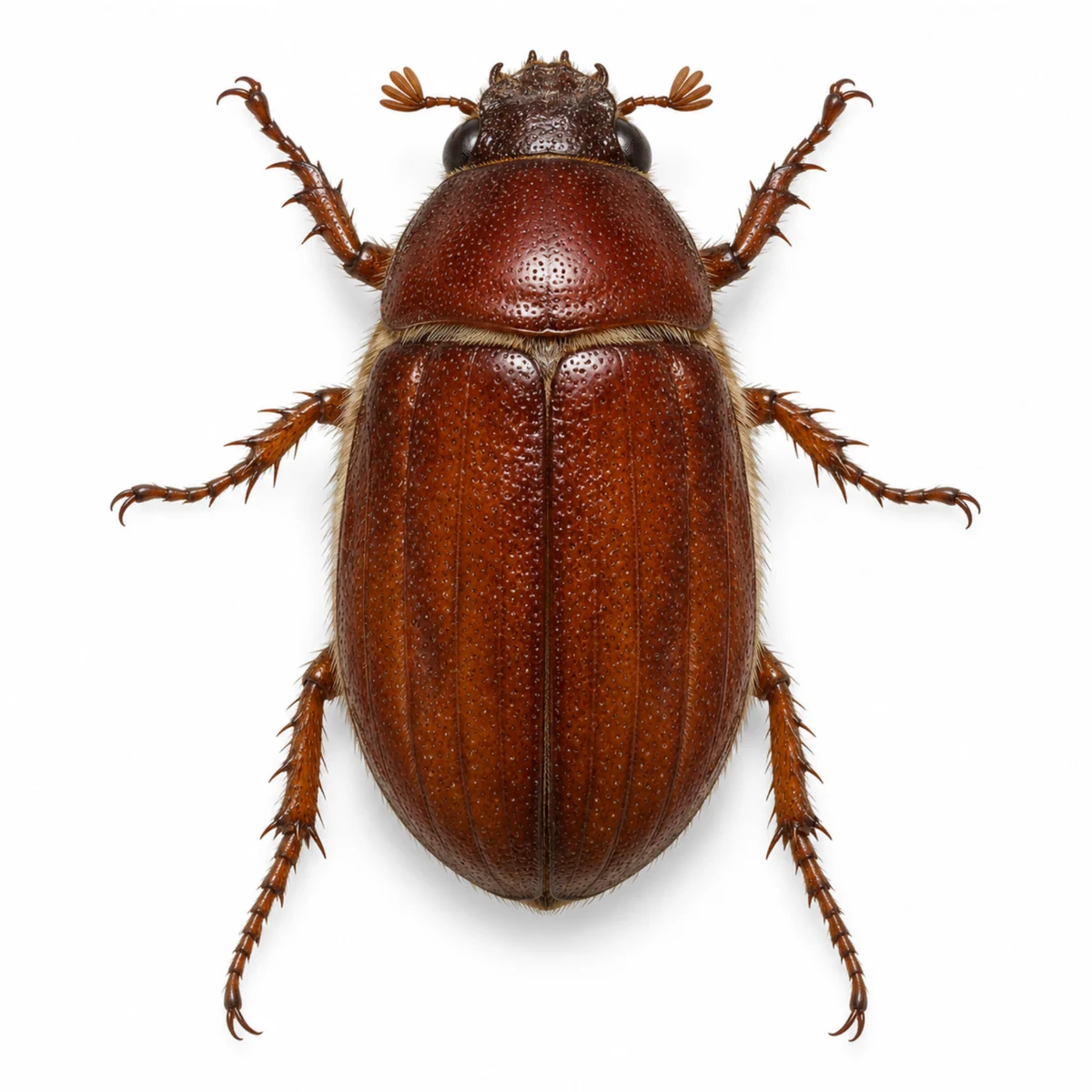
A heavy, reddish-brown beetle with a shiny back and a hairy underside. They fly clumsily toward lights and buzz loudly.
Size: 1/2 to 1 inch
Where you'll find them: Banging into porch lights and screens on early summer nights; grubs in the lawn
Why it matters: The adults are mostly a nuisance. Their large white grubs feed on turf roots, and moles, skunks and raccoons will tear up a lawn to get at them.
6. Click Beetle
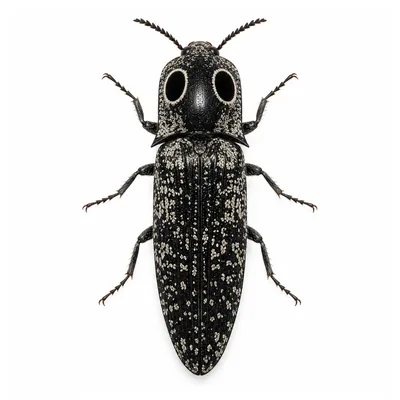
Family Elateridae
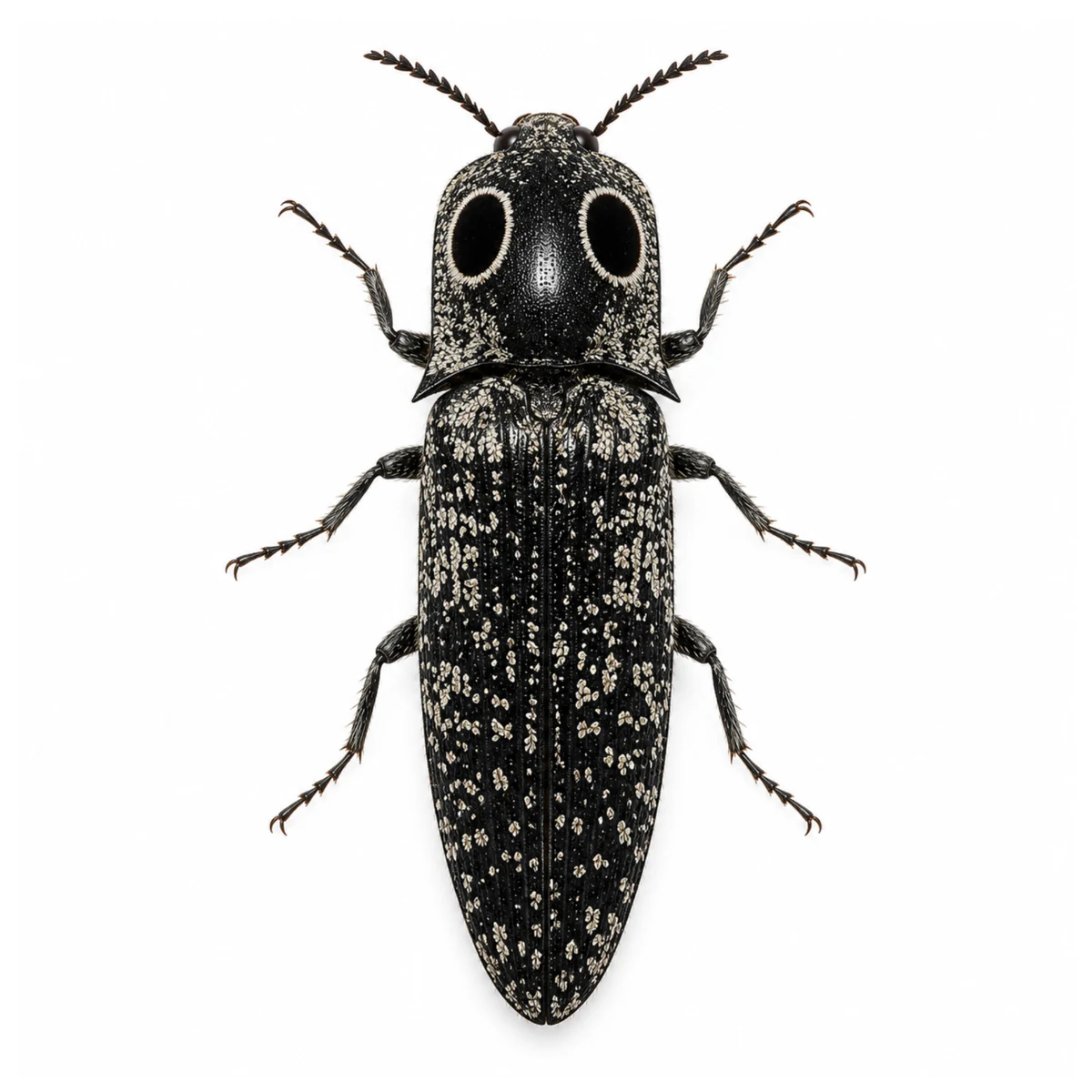
Long, narrow, flattened beetles with pointed back corners on the pronotum. The one pictured, the eyed click beetle, has two big false eyespots. Flipped onto its back, a click beetle snaps into the air with an audible click.
Size: 1/4 to 1 3/4 inches
Where you'll find them: Around outdoor lights and woodpiles, sometimes wandering indoors
Why it matters: Adults are harmless. Their larvae, called wireworms, feed on the roots of garden plants and can damage potatoes and corn.
7. Drugstore Beetle
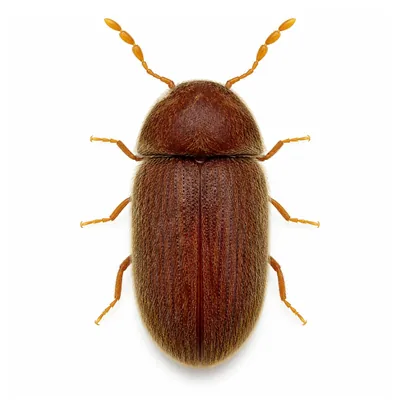
Stegobium paniceum
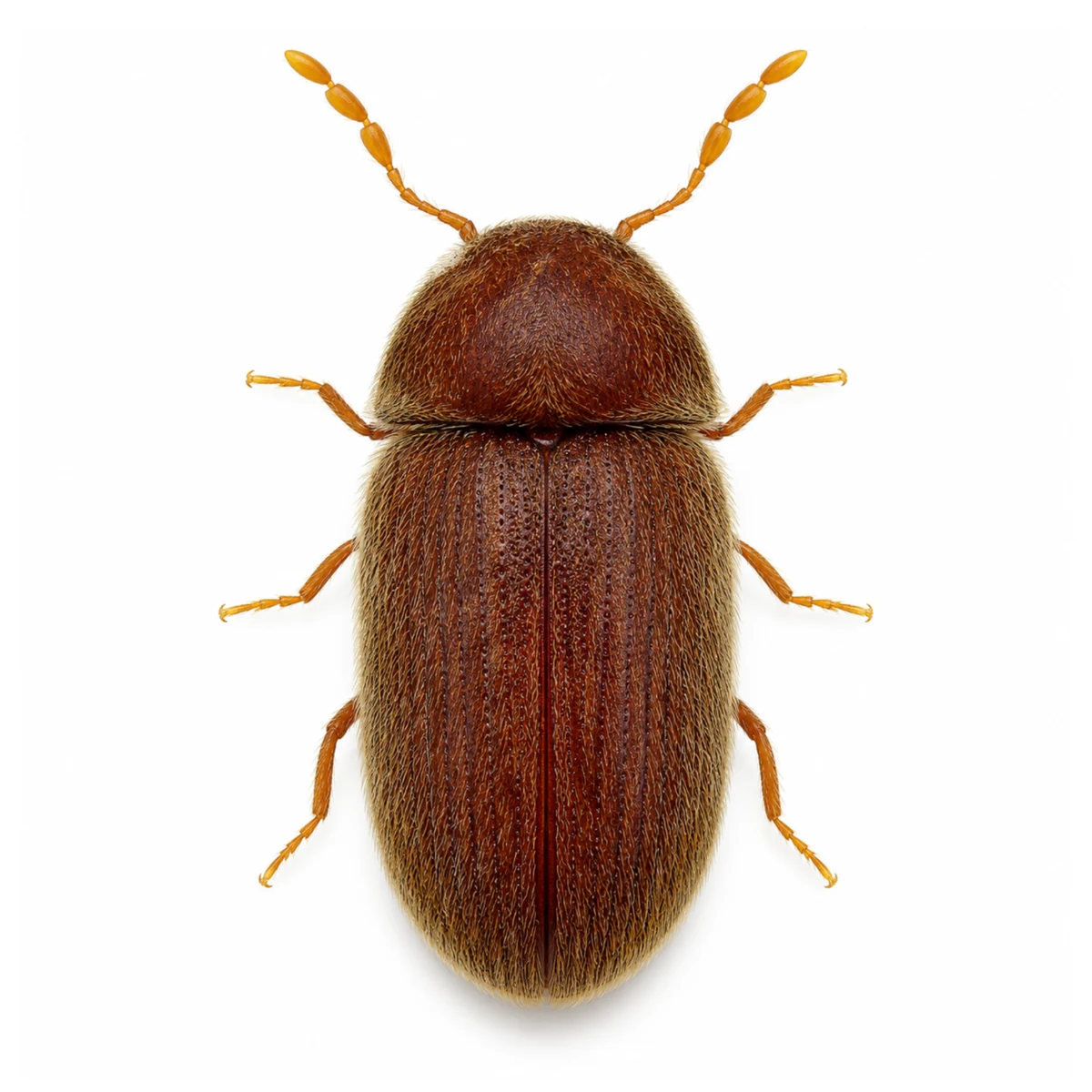
A small, reddish-brown, oval beetle covered in fine hairs, with rows of tiny pits on its wing covers. The head tucks down under the pronotum so it's hard to see from above.
Size: About 1/8 inch
Where you'll find them: Pantries, spice racks, pet food, dried flowers and even old books
Why it matters: It infests almost any dried food, including flour, spices, cereal, crackers and pet food. Finding them on windowsills usually means there's an infested package nearby.
8. Sawtoothed Grain Beetle
Oryzaephilus surinamensis
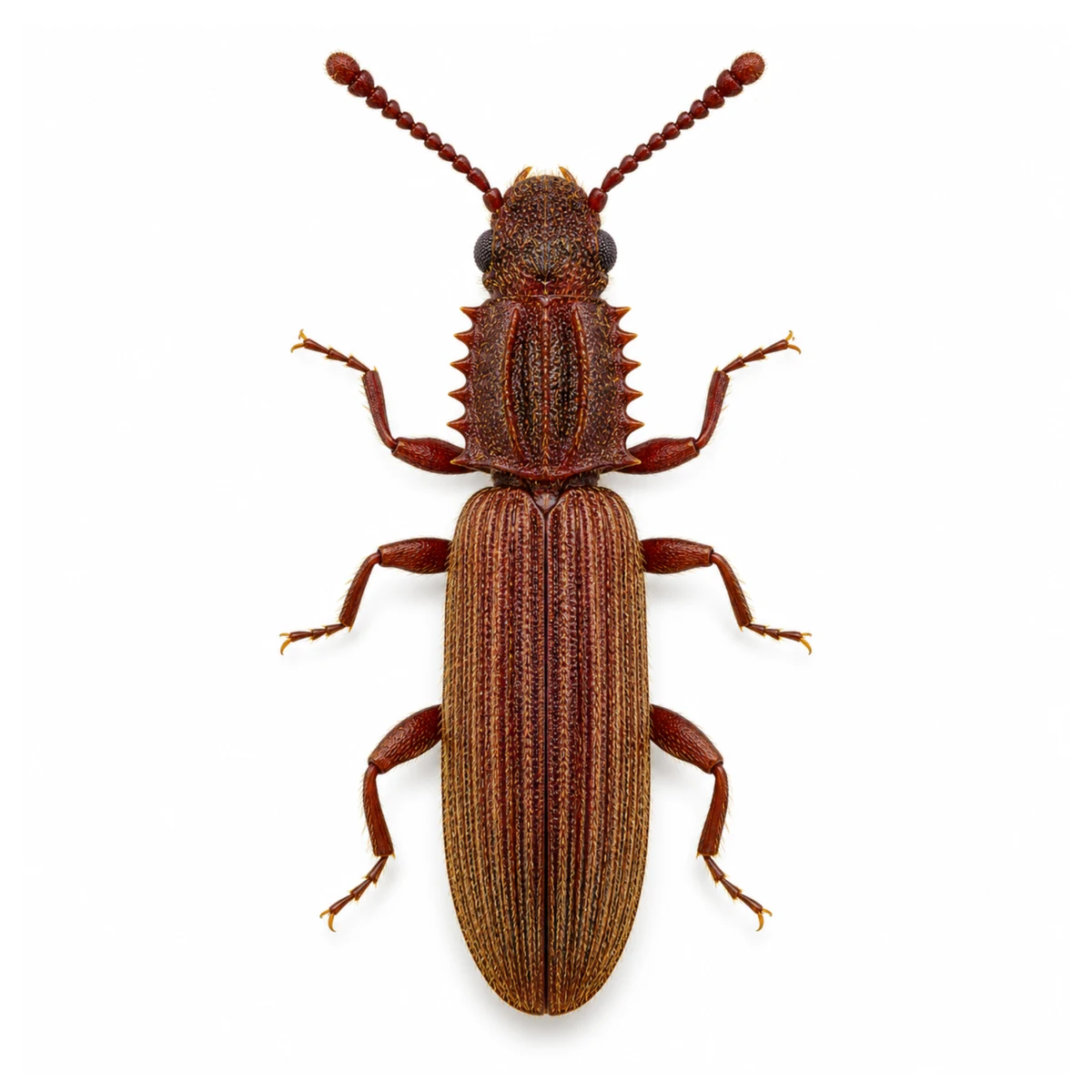
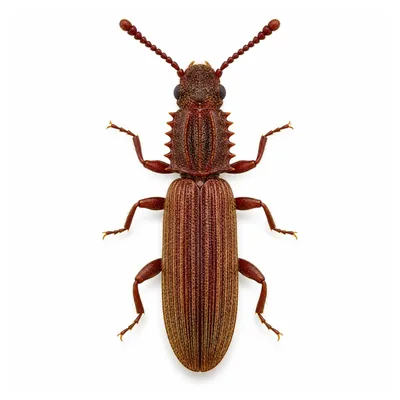
A very slim, flat, brown beetle with six saw-like teeth along each side of the pronotum. That's where the name comes from.
Size: About 1/10 inch
Where you'll find them: Cereal, oatmeal, rice, dried fruit, nuts, chocolate and birdseed
Why it matters: It's one of the most common pantry pests. It squeezes into packages that seem sealed and breeds quickly, so one forgotten bag can spread to the whole shelf.
9. Larder Beetle
Dermestes lardarius
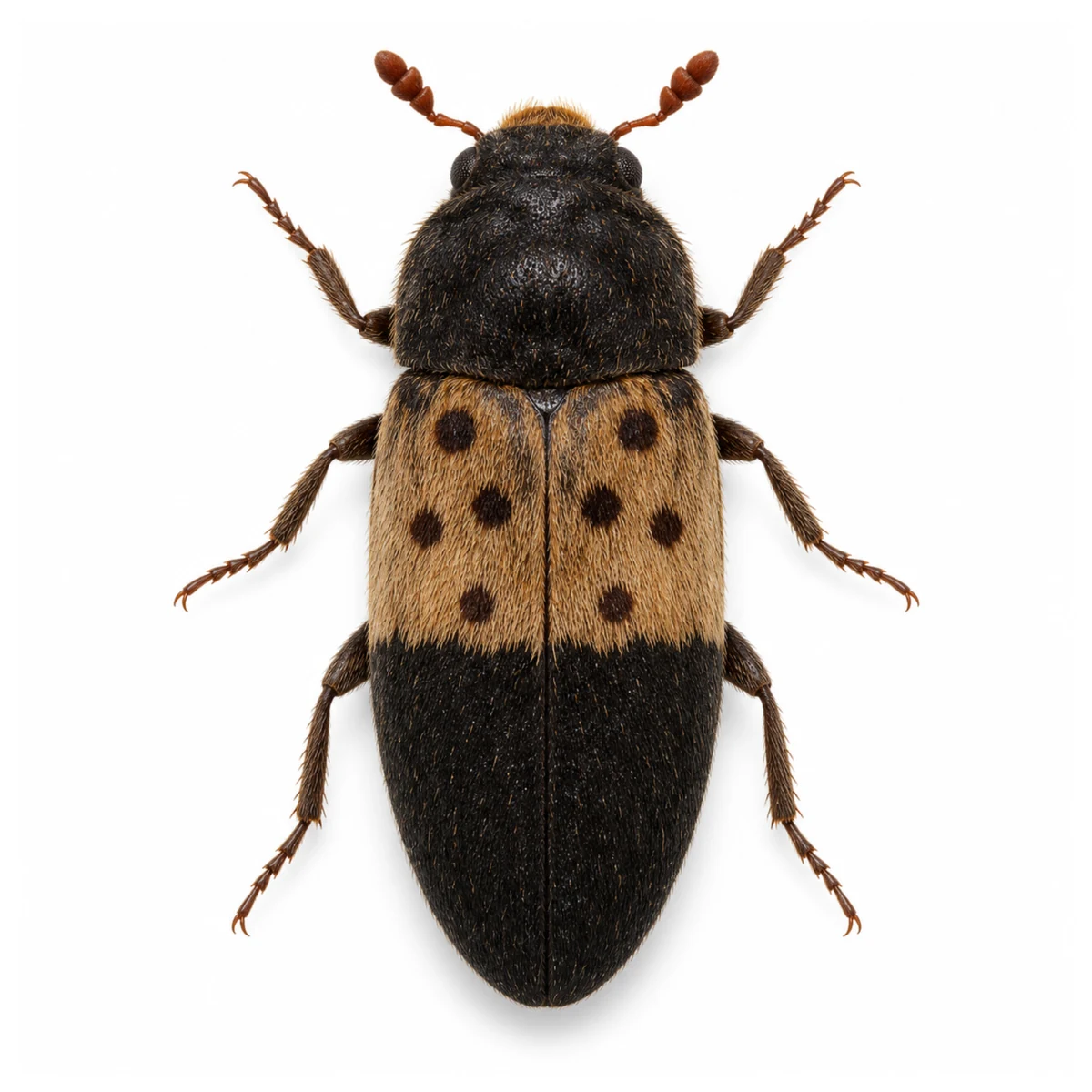
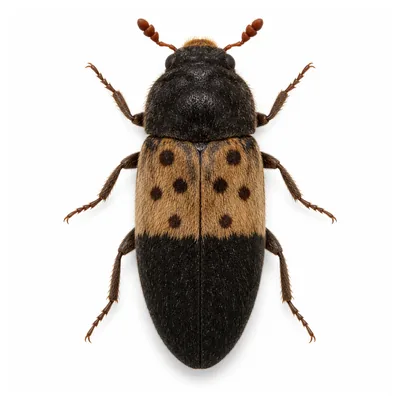
A dark, oblong beetle with a pale tan band across the front half of its wing covers. The band has six dark spots in it.
Size: About 1/3 inch
Where you'll find them: Pet food, dried meats, cheese, and walls or attics where an animal or insects have died
Why it matters: The larvae feed on animal protein. A sudden outbreak often points to a dead mouse, bird or a pile of dead cluster flies in a wall void. The larvae can bore into wood or insulation to pupate.
10. Powderpost Beetle
Lyctus species
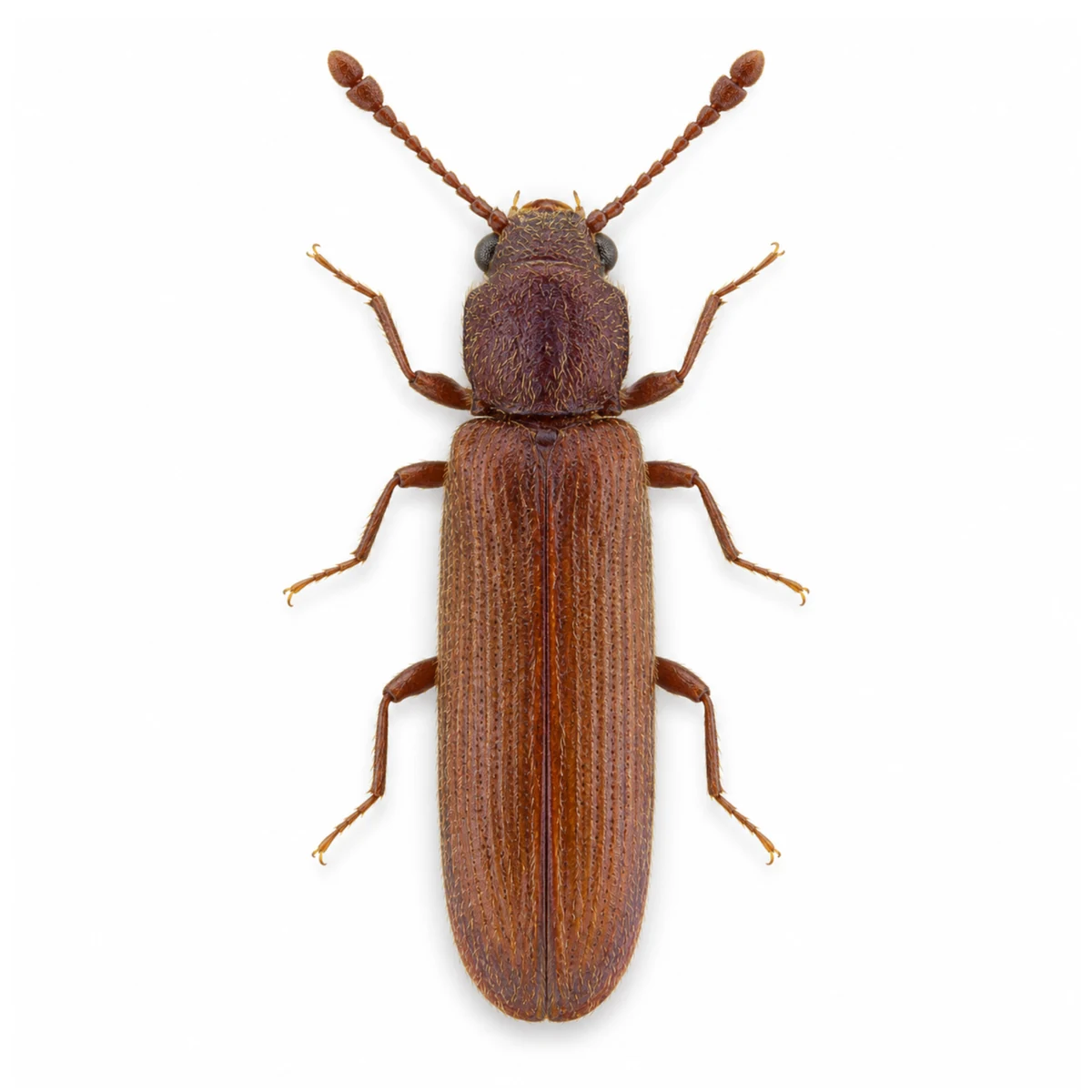
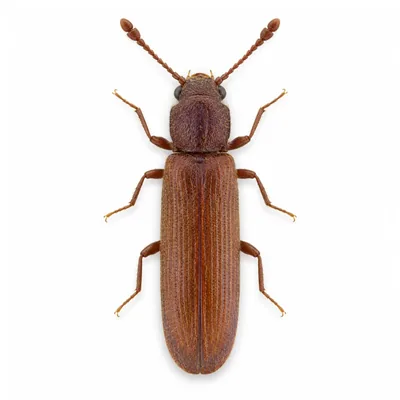
Slender, flattened, reddish-brown beetles that are rarely seen. More often you see the damage: tiny round exit holes the size of a pinhead and little piles of fine, flour-like powder below them.
Size: 1/8 to 1/4 inch
Where you'll find them: Hardwood flooring, furniture, paneling, tool handles and firewood
Why it matters: The larvae tunnel through hardwood for one or more years before coming out. Left alone, they can reinfest the same wood again and again and weaken it.
Life Cycle of Beetles
- 1
Egg
Females lay eggs right on or in the food the larvae will eat: inside a cereal box, on a wool rug, in a crack in hardwood or in the soil under your lawn.
- 2
Larva
This is the feeding stage and usually the one that causes damage. Larvae grow and shed their skins several times. Depending on the species and the food, this takes a few weeks (pantry beetles) to a few years (powderpost beetles).
- 3
Pupa
The larva stops feeding and changes into the adult inside a protected spot such as a cocoon, a tunnel in wood or a cell in the soil.
- 4
Adult
Adults mate and start the cycle again. Many household beetles are drawn to light, which is why you often find the adults on windowsills even when the problem is somewhere else in the house.
Mistaken Identity: Beetle Look-Alikes
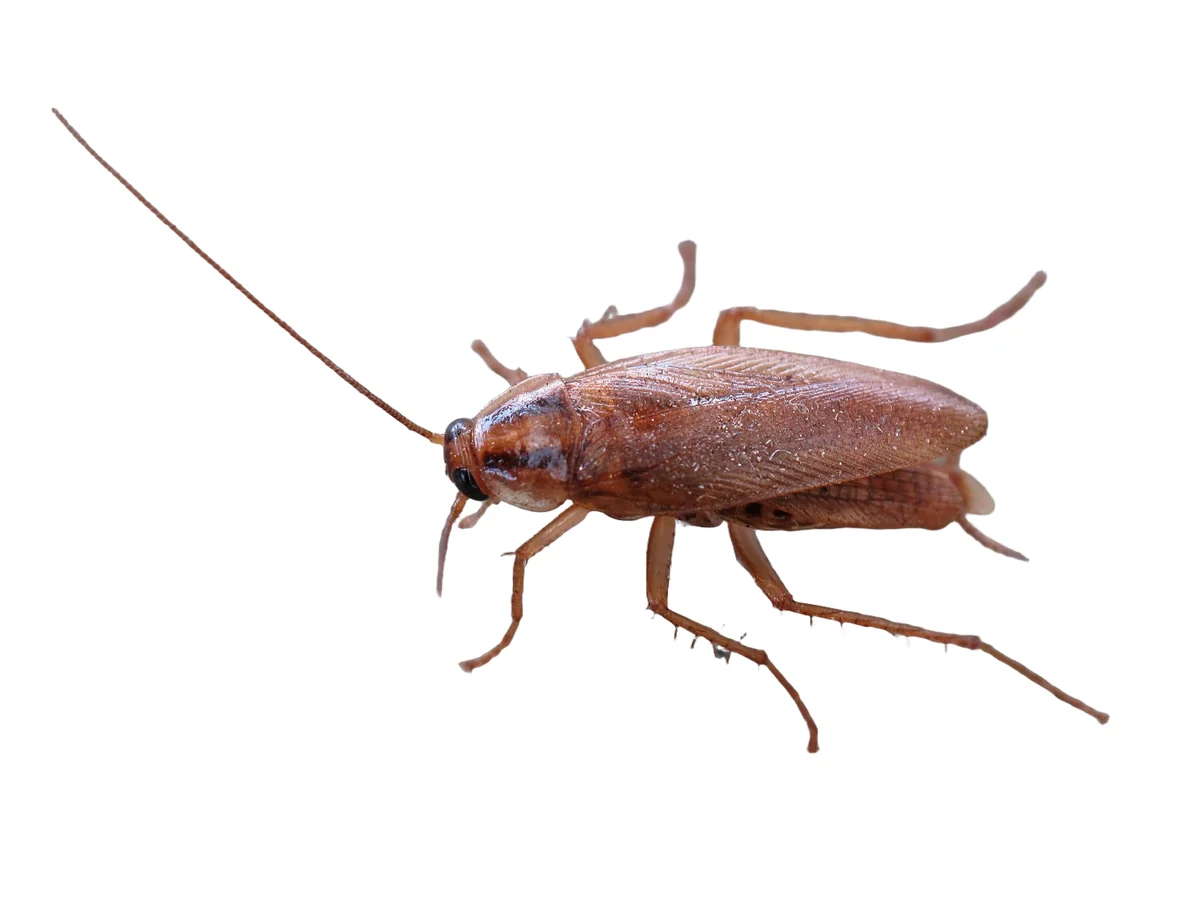
Cockroaches
Cockroaches have leathery wings that overlap instead of meeting in a straight line, long whip-like antennae and flat bodies built for squeezing into cracks.
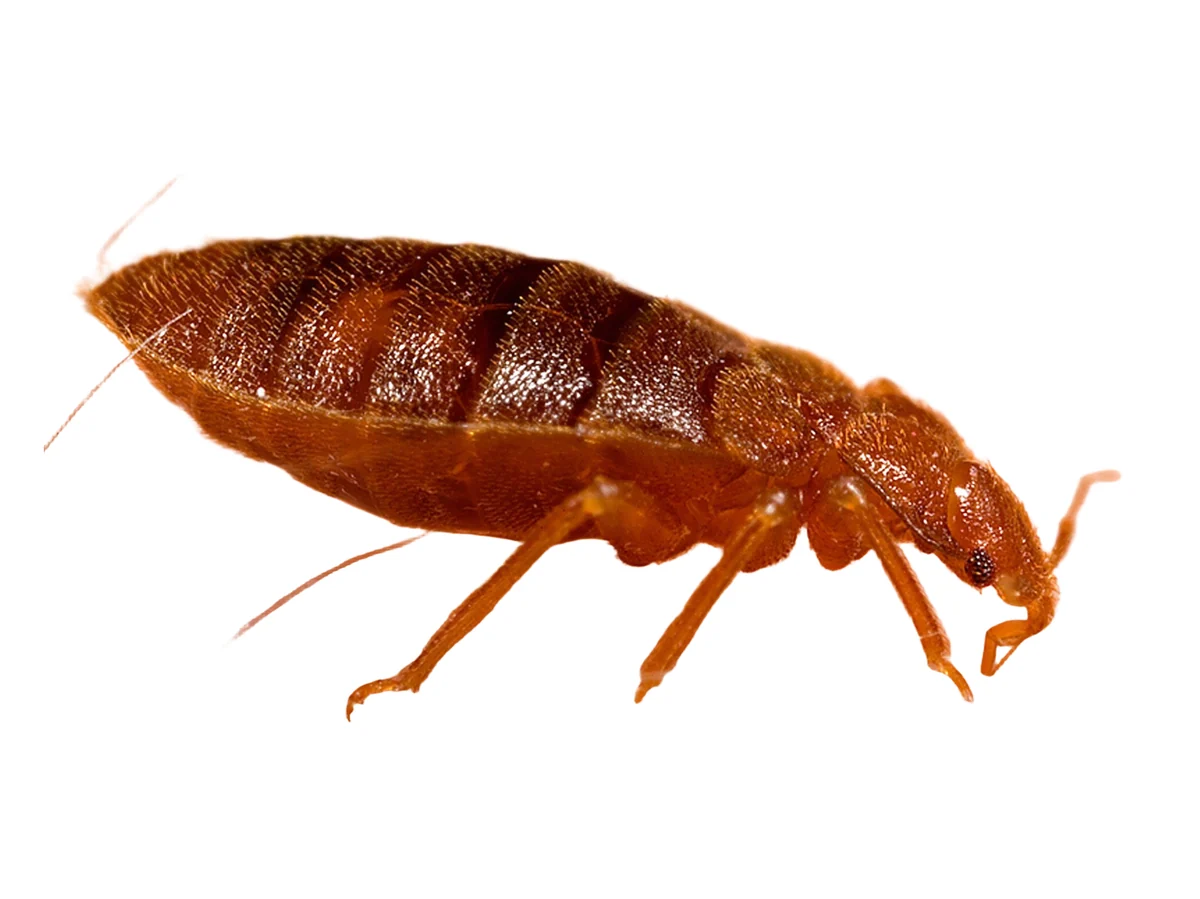
Bed bugs
Bed bugs are flat, reddish-brown and wingless, with no hard wing covers. They hide in mattress seams and furniture joints and feed on blood.
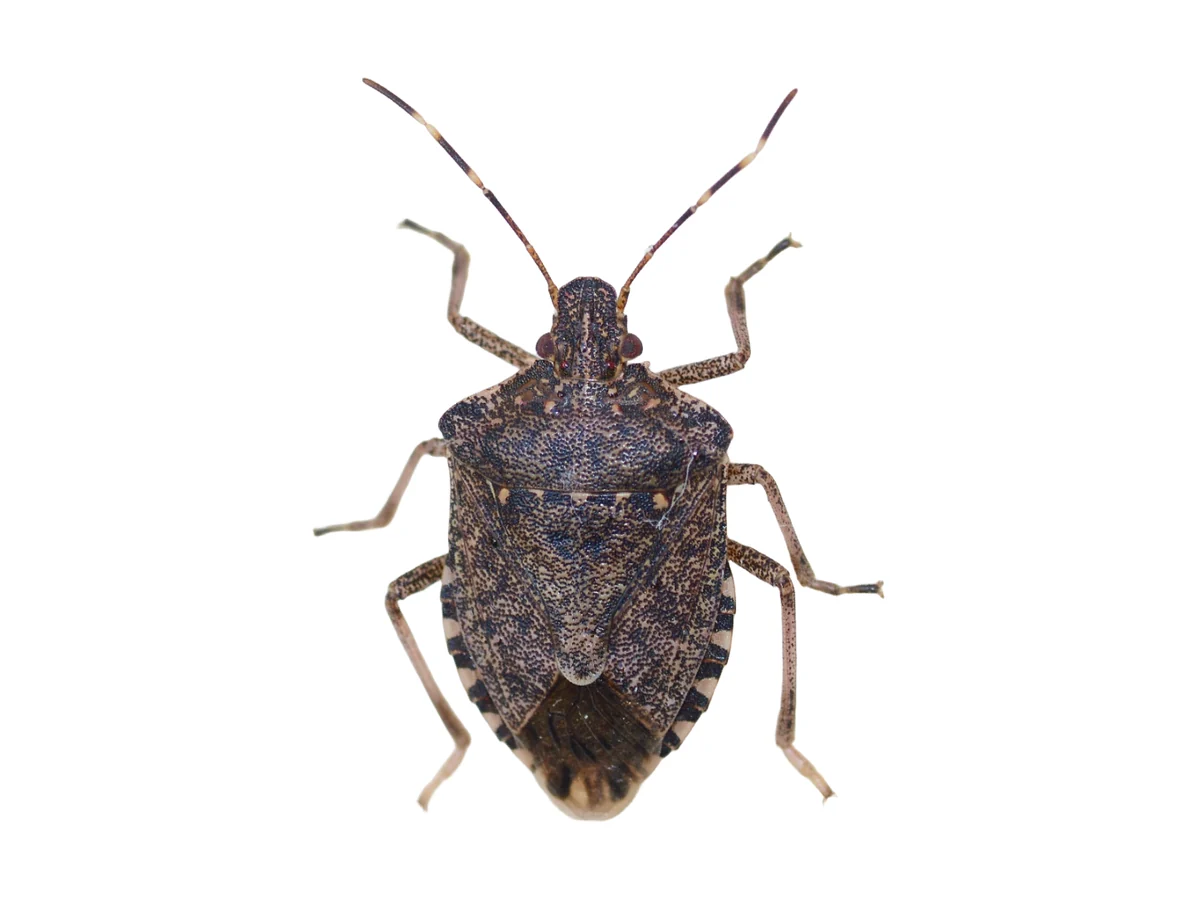
Stink bugs
Stink bugs have a shield shape and a triangle on their back. Their wings overlap into an X at the tips, and they have a needle-like beak instead of chewing jaws.
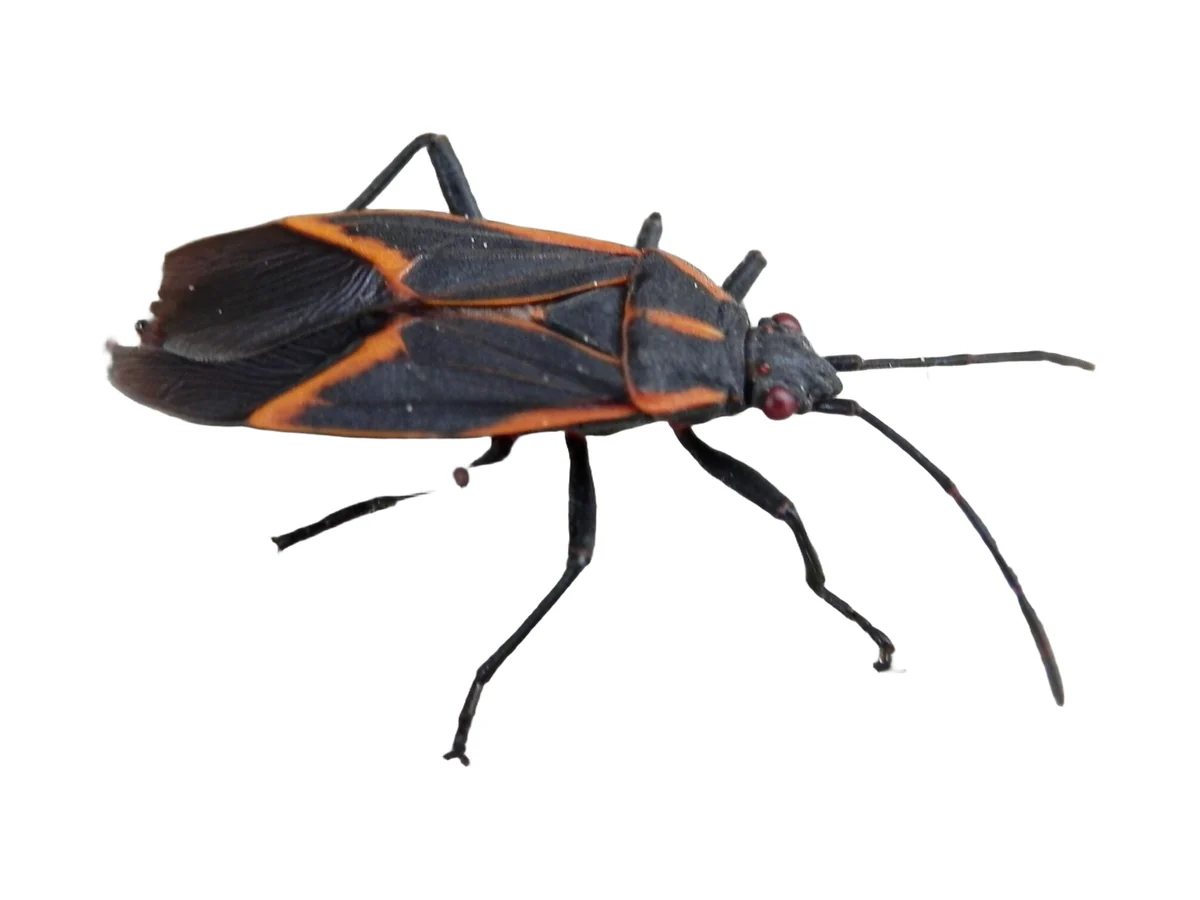
Boxelder bugs
Boxelder bugs are black with red lines and gather on sunny walls in fall like lady beetles do. They're true bugs with soft, overlapping wings.
Signs of a Beetle Problem
- Small beetles on windowsills or in light fixtures, especially in spring
- Tiny beetles or larvae inside flour, cereal, spices or pet food, or webbing and clumps in the food
- Irregular holes in wool sweaters, rugs, blankets or upholstery
- Fuzzy larvae or their shed skins under furniture, along baseboards or in closets
- Pinhead-sized holes in hardwood with fine powder underneath
- Large groups of beetles on the sunny side of the house in October
- Brown patches in the lawn where the turf peels up easily
How to Keep Beetles Out
- Store flour, cereal, rice, pet food and birdseed in airtight glass or hard plastic containers.
- Use older pantry items first and throw out anything that's been open for a long time.
- Vacuum along baseboards, under furniture, in closets and around vents to remove lint and pet hair that carpet beetle larvae feed on.
- Clean wool and other natural-fiber clothing before storing it, and keep it in sealed bags or bins.
- Seal gaps around windows, doors, siding, soffits and utility lines before fall so lady beetles can't get in.
- Swap bright white porch bulbs for yellow "bug" bulbs and keep mulch a few inches back from the foundation.
- Keep firewood outside and off the ground, and only bring in what you'll burn that day.
How We Get Rid of Beetles
Every beetle problem starts with an inspection, because the right fix depends entirely on which beetle it is and where it's breeding. We identify the species, then find and remove the source.
For pantry beetles that means finding the infested food and cleaning the shelves, then treating cracks and crevices. For carpet and larder beetles we track down the food source, whether that's a closet, a rug or something that died in a wall, and treat the areas where larvae hide.
For lady beetles, boxelder bugs and other fall invaders, a perimeter treatment and sealing entry points in late summer keep them from getting inside in the first place. For powderpost beetles we confirm the infestation is active and treat the affected wood.