
Rodents: Identification, Pictures and Treatment
How to tell which rodent is in your Bowling Green home, and how to keep it out for good
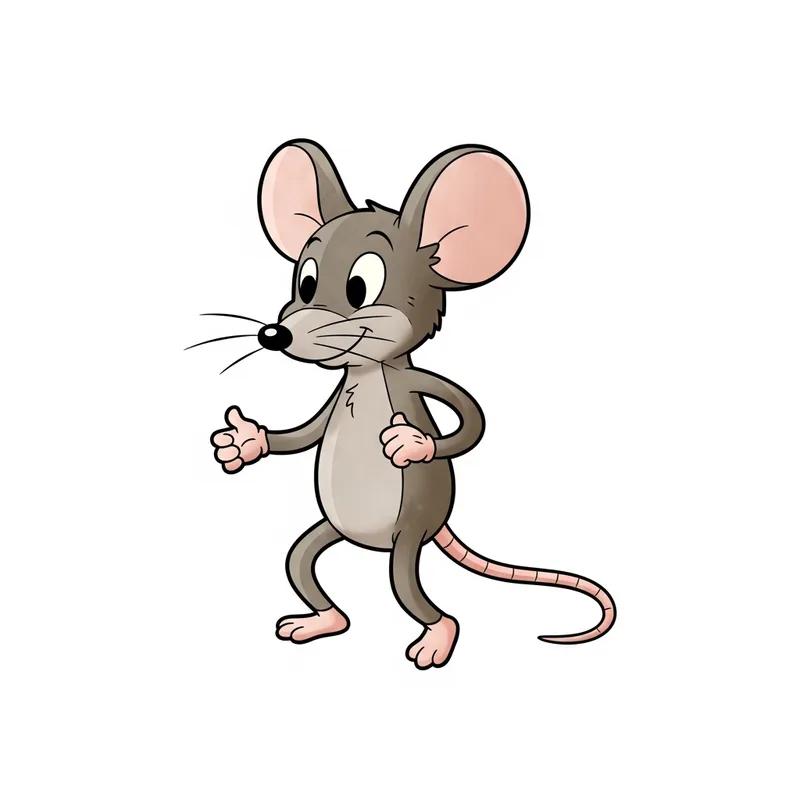
What Do Rodents Look Like?
Types of Rodents in Bowling Green
These are the rodents we find in and around Bowling Green homes. Tap a picture to jump to it.
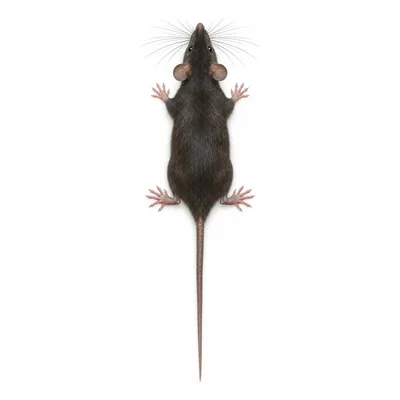
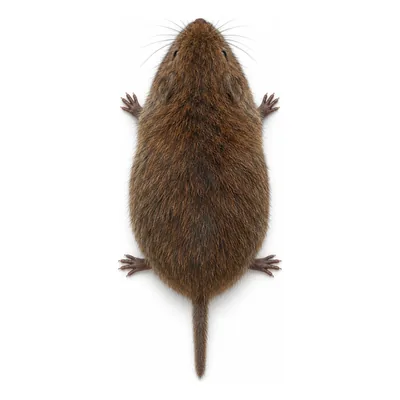
Rodent Facts
- Order:
- Rodentia
- Size:
- 3 inches (mice) to 10 inches (rats), not counting the tail
- Legs:
- 4
- Teeth:
- Front teeth that never stop growing
- Diet:
- Seeds, grains, pet food and almost any human food
- Active:
- Mostly at night
- Breeding:
- A female mouse can have 5 to 10 litters a year
- Common in Bowling Green:
- 5 kinds
Have a rodent problem that needs fixing?
Table of Contents
Every fall, as Kentucky nights turn cold, mice and rats start looking for a warm place to spend the winter, and Bowling Green homes are an easy target. A mouse can slip through a gap the size of a dime, and once inside, a few mice can turn into dozens in a couple of months.
Rodents chew wires, ruin insulation, contaminate food and carry diseases. Knowing which one you have tells you where it's getting in and how to stop it. This page shows the mice, rats and voles we deal with around Warren County.
How to Identify Rodents
Rodents are small, furry mammals with four legs, whiskers and a pair of large front teeth that grow all their lives. They have to gnaw constantly to keep those teeth worn down, which is why they chew through wood, plastic, drywall and even electrical wires.
Mice are small and slender, with big ears, small feet and a thin tail about as long as the body. Rats are much bigger and heavier, with thick tails, bigger feet and blunter heads. A young rat can look like a mouse, but it has a bigger head and feet for its size.
Voles mostly live outside. They're chunky, with tiny ears and a short tail.
Do I Have Mice or Rats?
It's often hard to get a good look at a rodent, but the signs they leave behind can tell you which one you have.
Droppings
Mouse droppings are about the size of a grain of rice with pointed ends. Rat droppings are 1/2 to 3/4 inch long, like a large raisin or olive pit.
Entry holes
Mice can squeeze through a hole the size of a dime (1/4 inch). Rats need a hole about the size of a quarter (1/2 inch).
Noises
Mice make light scratching and scurrying sounds in walls and ceilings. Rats are louder, with heavier thumps, gnawing and dragging sounds.
Behavior
Mice are curious and will check out new things like traps right away. Rats are cautious and avoid anything new for days, so they're harder to trap.
Diseases Rodents Can Spread
Rodents can spread disease through their droppings, urine, saliva and bites, and by carrying fleas and ticks into the home.
Hantavirus
Spread mainly by deer mice. People breathe it in from dust stirred up around droppings and nests in sheds, cabins and attics. It's rare but can be deadly.
Salmonellosis
Food poisoning from food and counters contaminated with rodent droppings.
Leptospirosis
A bacterial infection spread through rodent urine in water or soil. It can cause fever, headache and muscle pain.
Rat-bite fever
A bacterial infection from a rat bite or scratch, or from food or water contaminated by rats.
A Closer Look at Each Type
1. House Mouse
Mus musculus
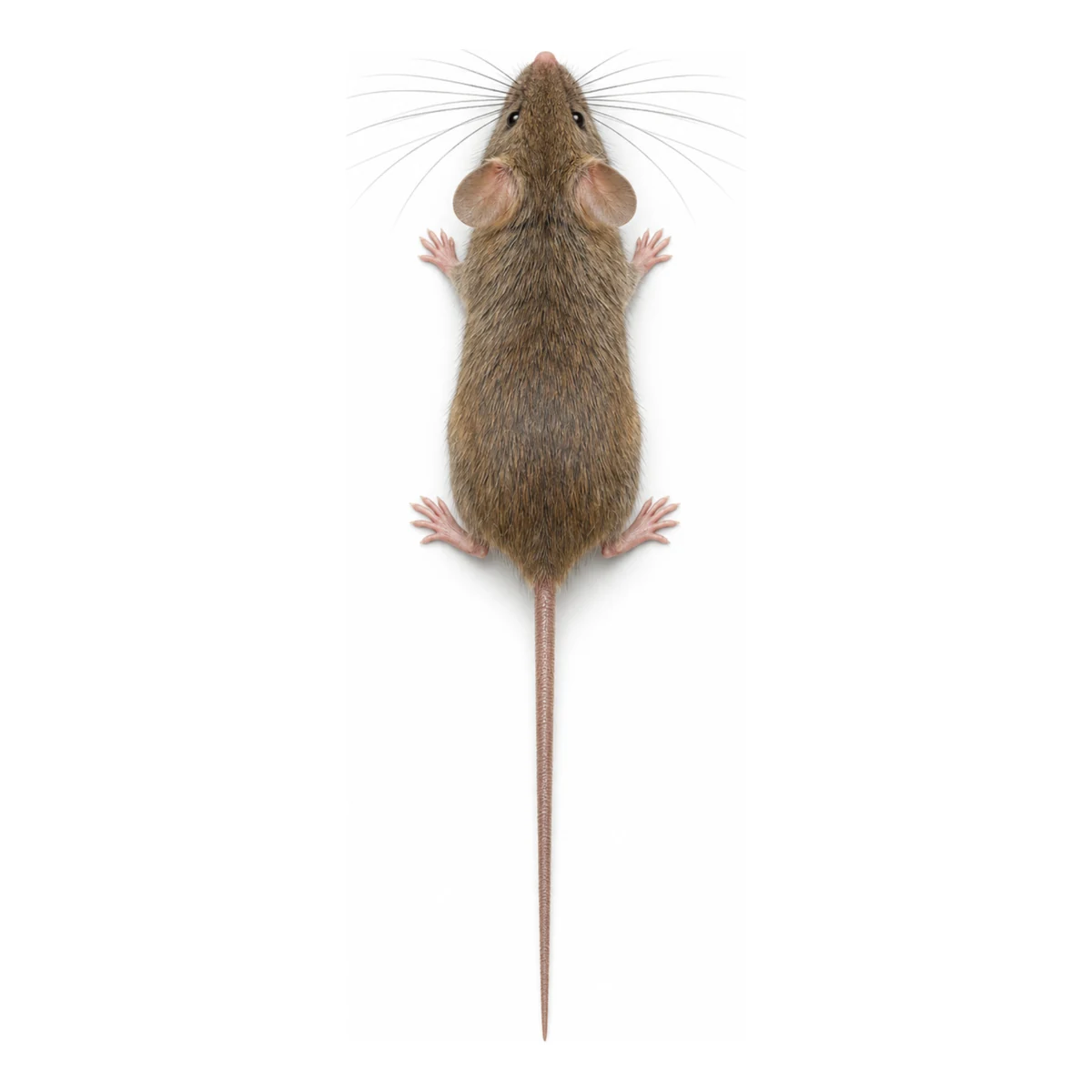
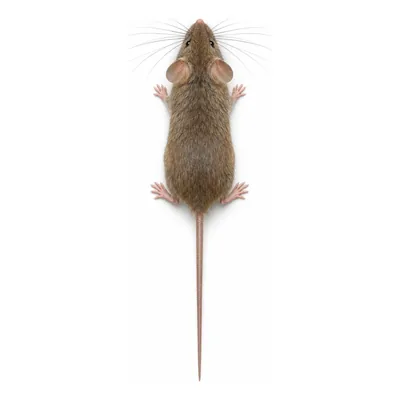
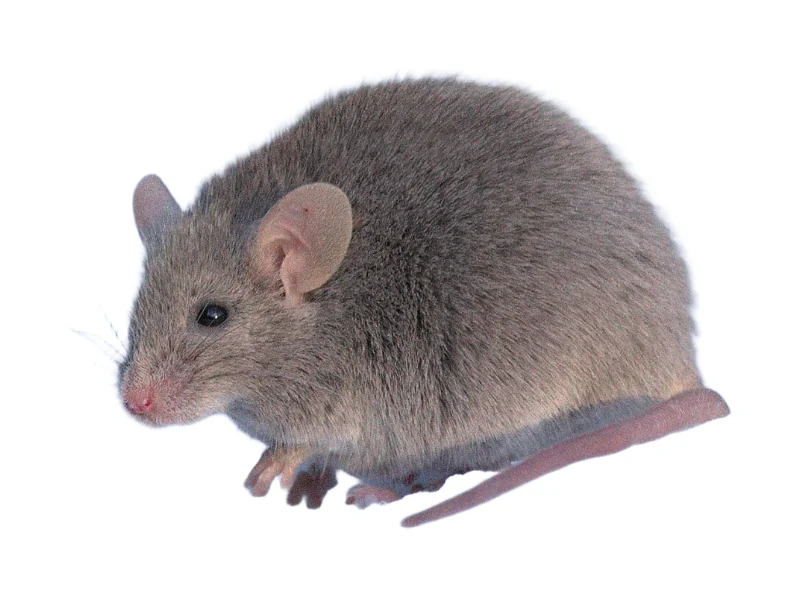
A small, slender mouse with smooth gray to light brown fur, large ears and a thin, nearly hairless tail about as long as its body. It's the mouse most often found living inside homes, and it can live its whole life without ever going outside.
Size: 2 1/2 to 3 1/2 inches, plus a 3 to 4 inch tail
Where you'll find them: Inside walls, kitchen cabinets, behind appliances, in attics, basements and garages
Why it matters: The most common rodent in Bowling Green homes. They breed fast, chew wires and insulation, and leave droppings everywhere they travel.
Read the full House Mouse guide2. Deer Mouse
Peromyscus species
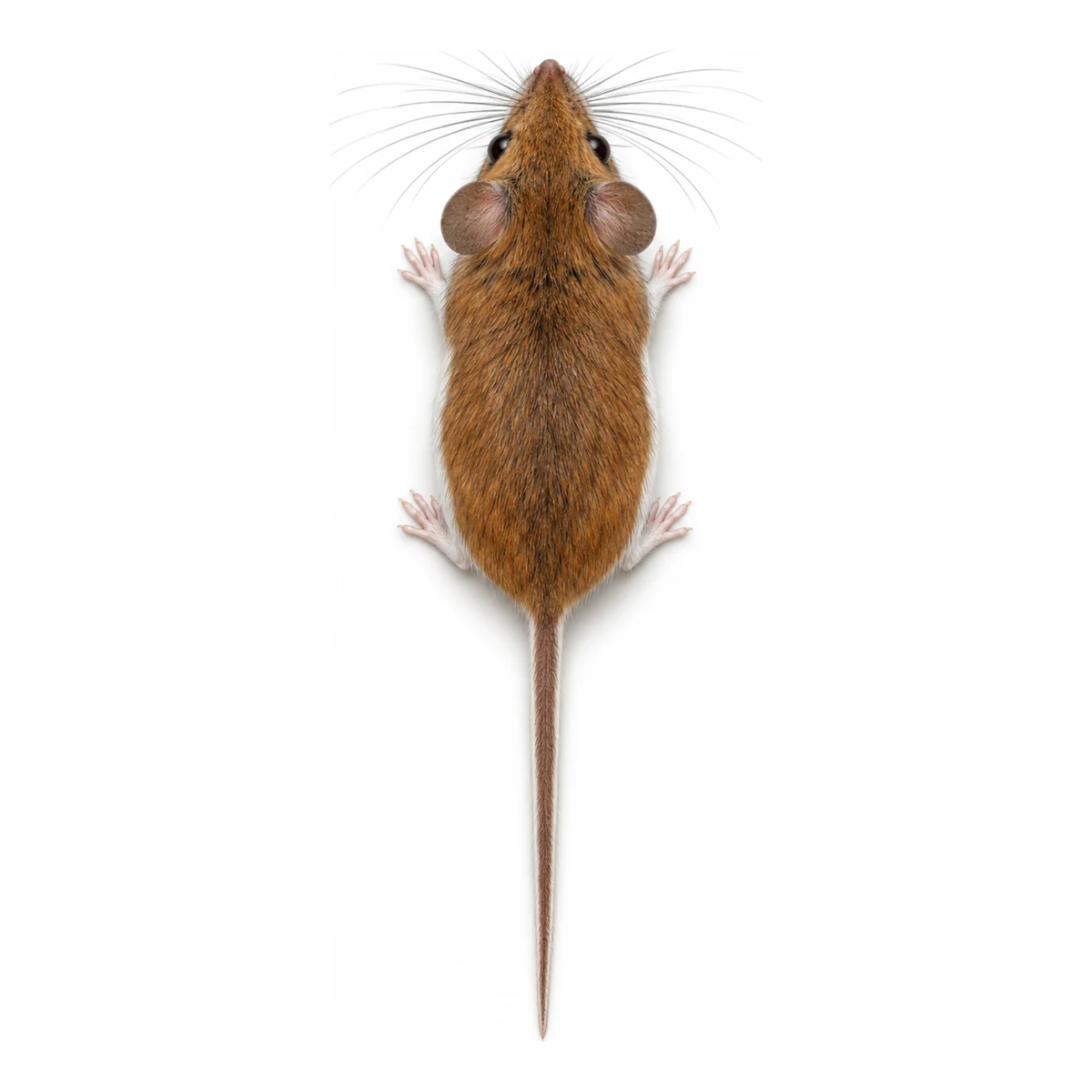
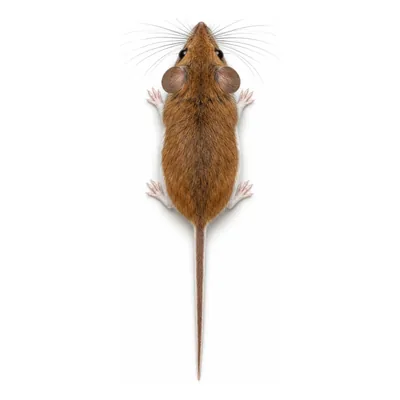
A pretty mouse with reddish-brown fur on top, a bright white belly and white feet, big dark eyes and large ears. The tail is furry, dark on top and white underneath. White-footed mice look almost the same and are just as common here.
Size: 3 to 4 inches, plus a 2 to 4 inch tail
Where you'll find them: Wooded lots, fields, sheds, barns, garages, cabins and attics, especially near woods
Why it matters: The main carrier of hantavirus. Never sweep or vacuum their droppings dry. Wet them down with disinfectant first and wear gloves.
3. Norway Rat
Rattus norvegicus
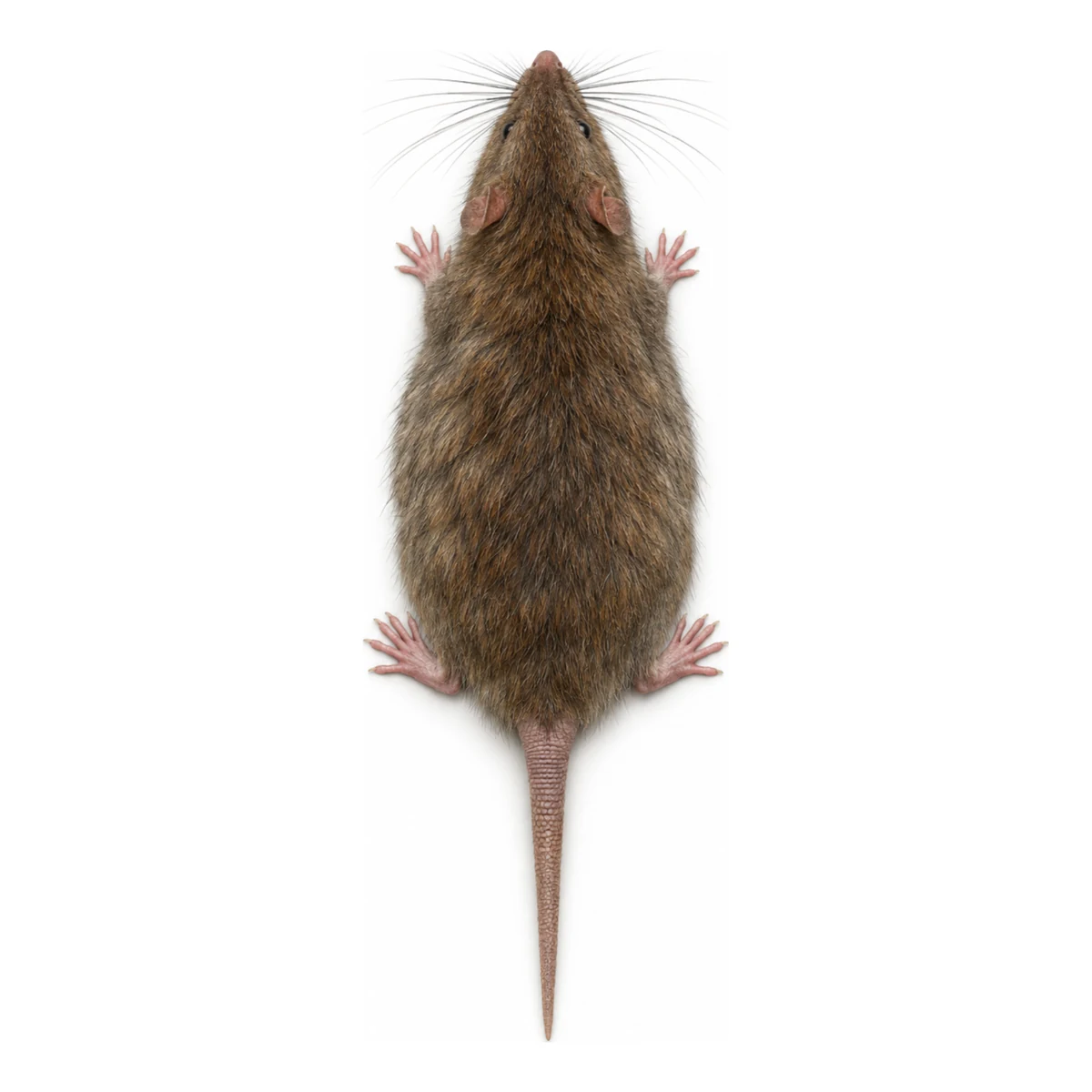
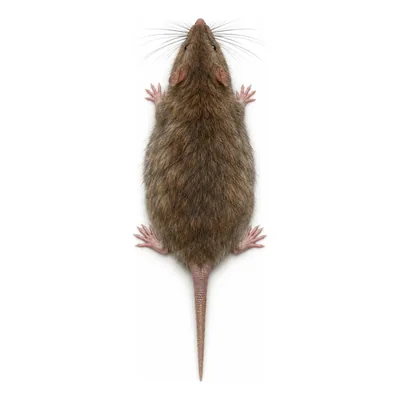
A big, heavy rat with coarse brown to grayish fur, a blunt nose, small ears and a thick, scaly tail that's shorter than its body. It's a strong digger and swimmer and often lives in burrows near the foundation.
Size: 7 to 10 inches, plus a 6 to 8 inch tail
Where you'll find them: Burrows along foundations, under sheds, decks and woodpiles, in basements, crawl spaces and sewers
Why it matters: Chews through wood, plastic and even soft concrete to get in, and contaminates far more food than it eats. Burrows can undermine slabs and steps.
Read the full Norway Rat guide4. Roof Rat
Rattus rattus
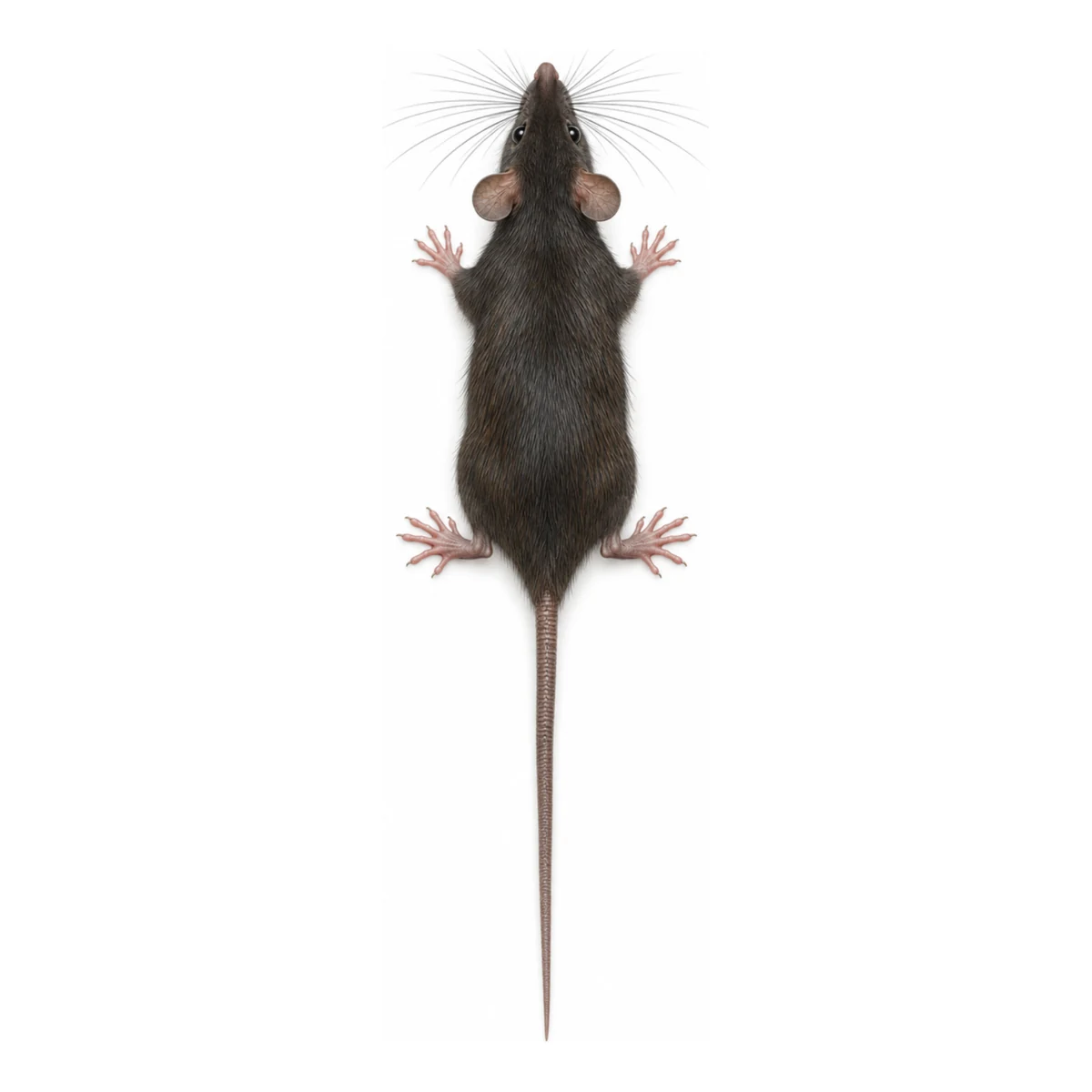
A sleek, slender rat with smooth dark gray to black fur, a pointed nose, big ears and eyes, and a very long tail. It's an expert climber and likes to live high up, which is why it's called the roof rat.
Size: 6 to 8 inches, plus a tail longer than the body
Where you'll find them: Attics, upper walls, rafters, trees and vines, getting in along branches, power lines and roof edges
Why it matters: Less common here than the Norway rat, but found in parts of Kentucky. Noises in the attic at night and greasy rub marks along rafters are common signs.
5. Meadow Vole
Microtus pennsylvanicus
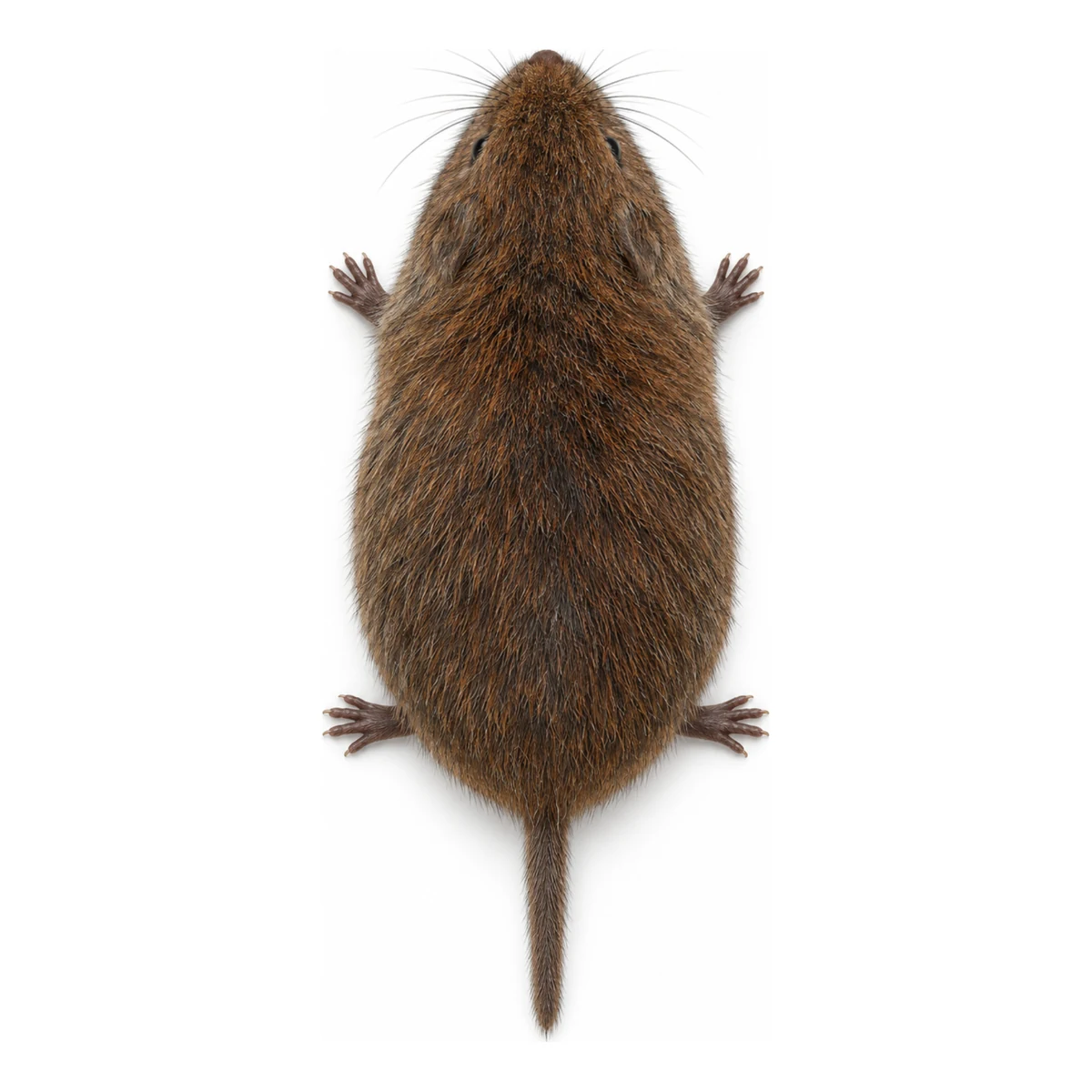
A chunky, round little rodent with dark brown fur, a blunt face, tiny eyes and ears hidden in the fur, and a short tail. Often called a field mouse. Voles rarely come inside, but they're very common in Bowling Green yards.
Size: 3 1/2 to 5 inches, plus a short 1 to 2 inch tail
Where you'll find them: Lawns, gardens, mulch beds and fields, making surface runways in the grass
Why it matters: Chews narrow runways through lawns that show up as winter snow melts, and gnaws bark off young trees and shrubs, often killing them. They also eat bulbs and roots.
Life Cycle of Rodents
- 1
Newborn
Pups are born hairless, blind and pink, in litters of about 5 to 12. A nest is usually made of shredded paper, insulation or fabric.
- 2
Juvenile
Fur grows in within a week, and the eyes open at about 2 weeks. Young leave the nest at 3 to 4 weeks.
- 3
Adult
Mice can breed at just 6 to 8 weeks old and rats at 2 to 3 months. A single pair of mice can lead to hundreds of mice in a year.
Mistaken Identity: Rodent Look-Alikes
Shrews
Tiny gray mammals with a long, pointed snout, tiny eyes and very small ears. They eat insects, not seeds, and aren't rodents.
Moles
Live underground and push up ridges and mounds in the lawn. They have huge digging front feet, tiny eyes and no visible ears.
Squirrels
Bigger, with bushy tails. Flying squirrels and gray squirrels sometimes nest in attics too.
Young Rats vs. Mice
A young rat has a big head and big feet for its body. A mouse has a small head, small feet and big ears.
Signs of a Rodent Problem
- Droppings in drawers, cabinets, under sinks, along baseboards or in the attic
- Gnaw marks on food boxes, wires, wood, or holes chewed in drywall and doors
- Scratching, scurrying or gnawing sounds in walls and ceilings at night
- Nests of shredded paper, fabric or insulation in hidden spots
- Greasy dark rub marks along walls, pipes and rafters where rodents travel
- A musky, stale smell, or pets staring and pawing at walls and appliances
- Burrows along the foundation or under sheds, decks and patios
How to Keep Rodents Out
- Seal any gap bigger than 1/4 inch around pipes, wires, vents and the foundation with steel wool, metal flashing or concrete.
- Install door sweeps and repair torn screens on crawl space and attic vents.
- Store food, birdseed and pet food in sealed metal or thick plastic containers.
- Keep firewood, lumber and brush piles away from the house and off the ground.
- Trim branches and vines at least 3 feet back from the roof.
- Pick up fallen fruit, nuts and spilled birdseed in the yard.
- Keep garbage in cans with tight lids.
How We Get Rid of Rodents
We start with a full inspection of the inside and outside of the home to find every entry point, travel path and nest. That tells us whether it's mice or rats and how big the problem is.
Then we remove the rodents using traps and tamper-resistant bait stations placed where pets and children can't reach them. We exclude them by sealing entry points with materials rodents can't chew through.
Follow-up visits check traps and stations until activity stops. Ongoing service keeps bait stations working outside so new rodents don't move in when the weather turns cold.