
Termites: Identification, Pictures and Treatment
The silent wood-eaters under Bowling Green homes, how to spot them early and how to stop them before the damage adds up
What Do Termites Look Like?
Types of Termites in Bowling Green
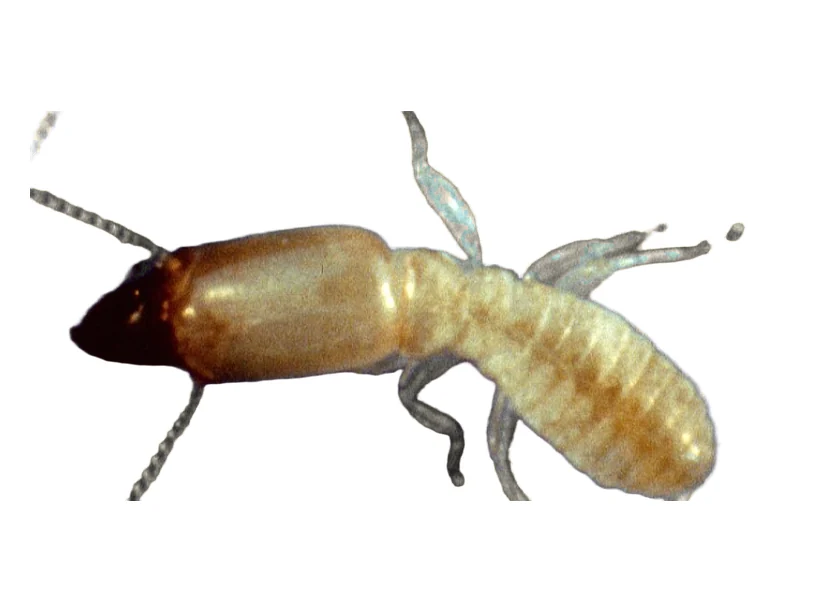
These are the three kinds of termites in every eastern subterranean termite colony. Tap a picture to jump to it.
Termite Facts
- Type:
- Social insects that live in colonies
- Size:
- 1/8 inch (workers) to 3/8 inch (swarmers with wings)
- Legs:
- 6
- Diet:
- Wood, paper, cardboard and other plant material
- Colony size:
- Often 60,000 to over 1 million
- Swarm season:
- Spring, usually March through May on warm days after rain
- Danger:
- Serious structural damage to homes
- Common in Bowling Green:
- Eastern subterranean termite
Have a termite problem that needs fixing?
Table of Contents
Termites are social insects that eat wood and other materials made from plants. In Bowling Green the one that causes almost all the damage is the eastern subterranean termite. It lives in the soil, builds mud tubes up foundations and eats wood from the inside out, so most homeowners never see it until the damage is done.
Every termite colony has three kinds of members that look very different from each other. Knowing what each one looks like helps you recognize a problem early. Termites cause more property damage in the U.S. each year than fires and storms combined, and most homeowners insurance doesn't cover it.
How to Identify Termites
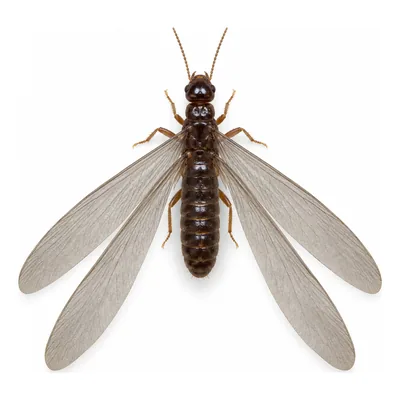
Termites have a soft body with a thick waist, straight antennae that look like a string of tiny beads and, on swarmers, four wings that are all the same size and much longer than the body.
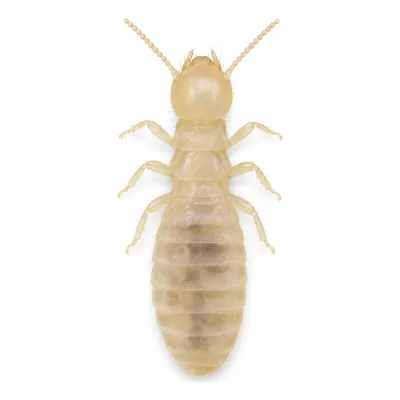
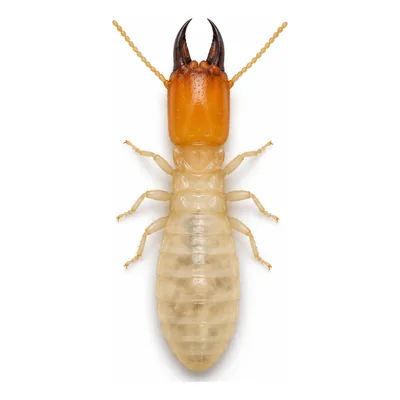
Workers are pale and creamy, about the size of a grain of rice. Soldiers have a large orange-brown head with big jaws. Swarmers are dark brown to black and are the only ones you'll usually see out in the open.
Termite Swarmer or Flying Ant?
Flying ants and termite swarmers both show up in spring and are often confused. Telling them apart matters, because termites mean your house may be under attack. Here's how to tell.
Waist
Termites have a thick, straight waist. Ants have a very thin, pinched waist between the thorax and abdomen.
Antennae
Termite antennae are straight and beaded. Ant antennae are bent at a sharp elbow.
Wings
Termites have four wings of the same size that are about twice as long as the body and break off easily. Ants have larger front wings and smaller back wings.
Leftover wings
Piles of shed wings on windowsills or floors are a classic sign of a termite swarm inside the house.
Warning Signs of Termite Damage
Because subterranean termites stay hidden, you have to look for what they leave behind. Check these spots once or twice a year, especially in spring.
Mud tubes
Pencil-wide tunnels of soil running up foundation walls, piers, plumbing or the inside of crawl spaces. Termites build them to stay moist as they travel.
Swarmers or wings
Dark winged insects coming out of walls, floors or around windows in spring, or little piles of wings afterward.
Damaged wood
Wood that sounds hollow when tapped, paint that bubbles, or baseboards and trim that crumble. Inside, the wood is packed with soil and tunnels running with the grain.
Sagging or sticking
Floors that feel soft or spongy and doors or windows that suddenly stick can mean termites are weakening the framing.
A Closer Look at Each Type
1. Termite Worker
Reticulitermes flavipes
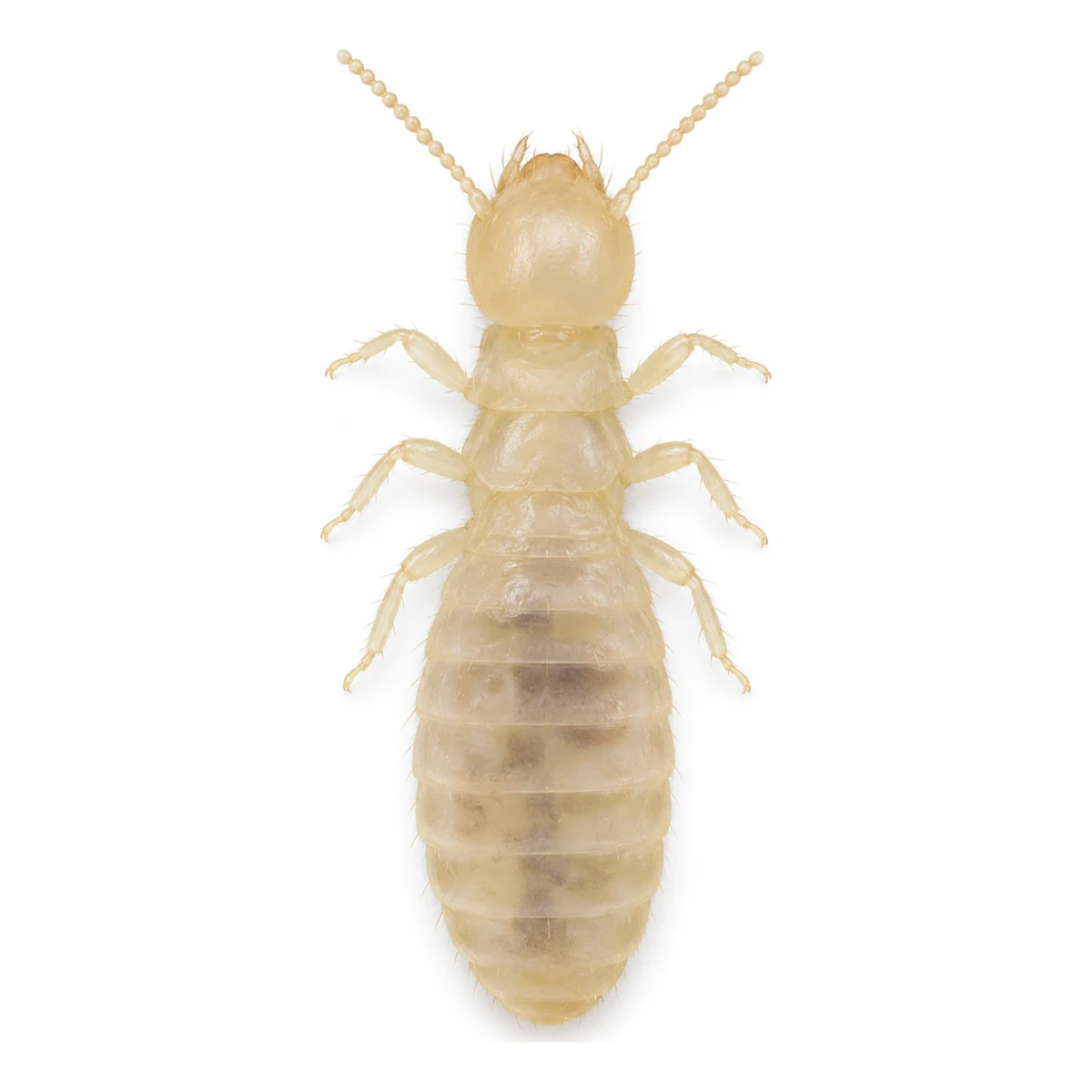
Small, soft, creamy-white termites with no wings and no eyes. Workers make up most of the colony. They chew the wood, build the tunnels and feed everyone else.
Size: About 1/8 inch
Where you'll find them: Inside damaged wood, mud tubes and soil near the foundation. You'll see them if you break open a mud tube or damaged board.
Why it matters: Workers are the ones doing all the damage. They eat around the clock, every day of the year.
Read the full Termite Worker guide2. Termite Soldier
Reticulitermes flavipes
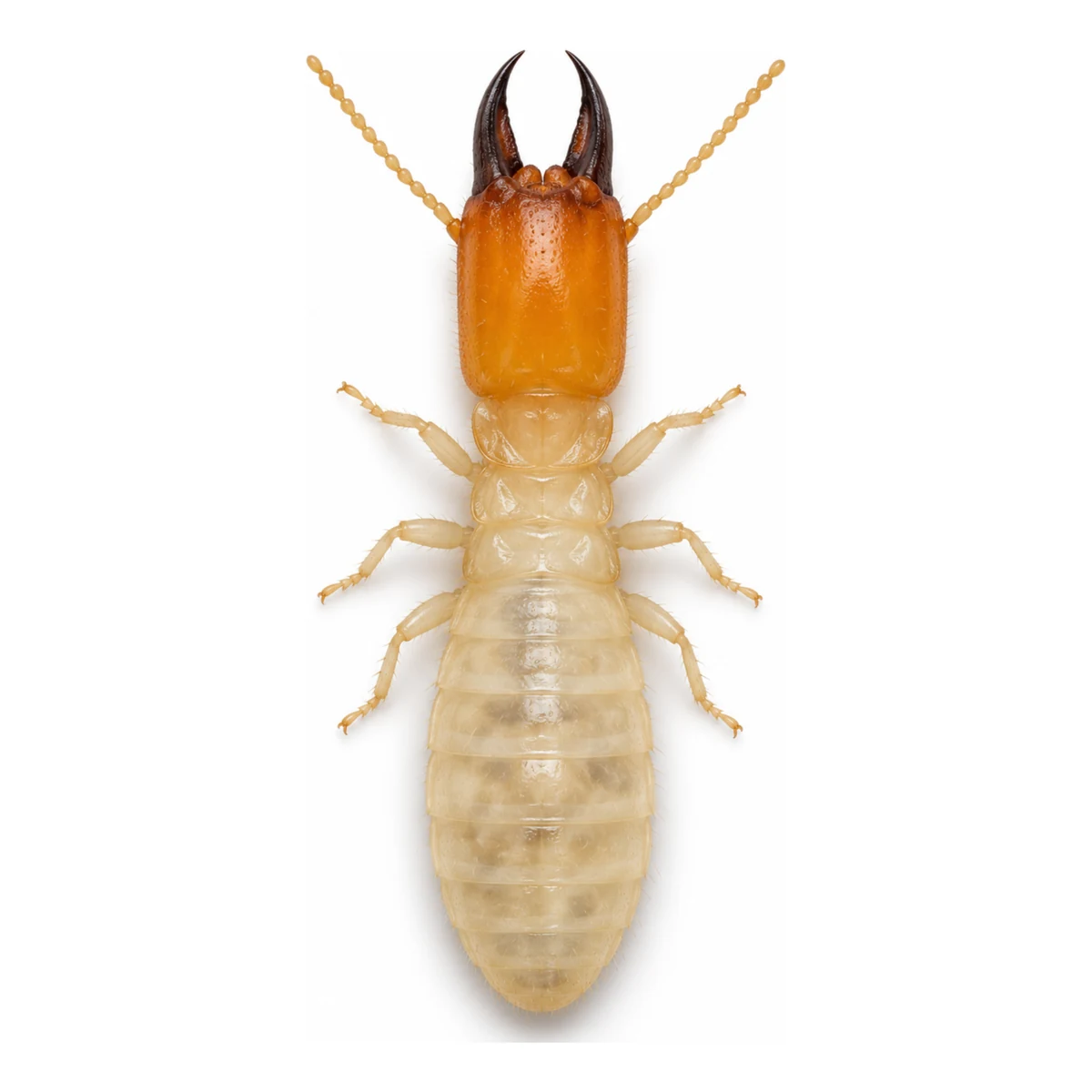
Looks like a worker with a big, long, orange-brown head and a pair of large dark jaws. Soldiers can't feed themselves. Their job is to guard the colony, mostly from ants.
Size: About 1/4 inch
Where you'll find them: Mixed in with workers inside damaged wood and mud tubes
Why it matters: Finding soldiers helps confirm termites, because no other wood pest has them. They rush to plug any break in a mud tube.
3. Termite Swarmer
Reticulitermes flavipes
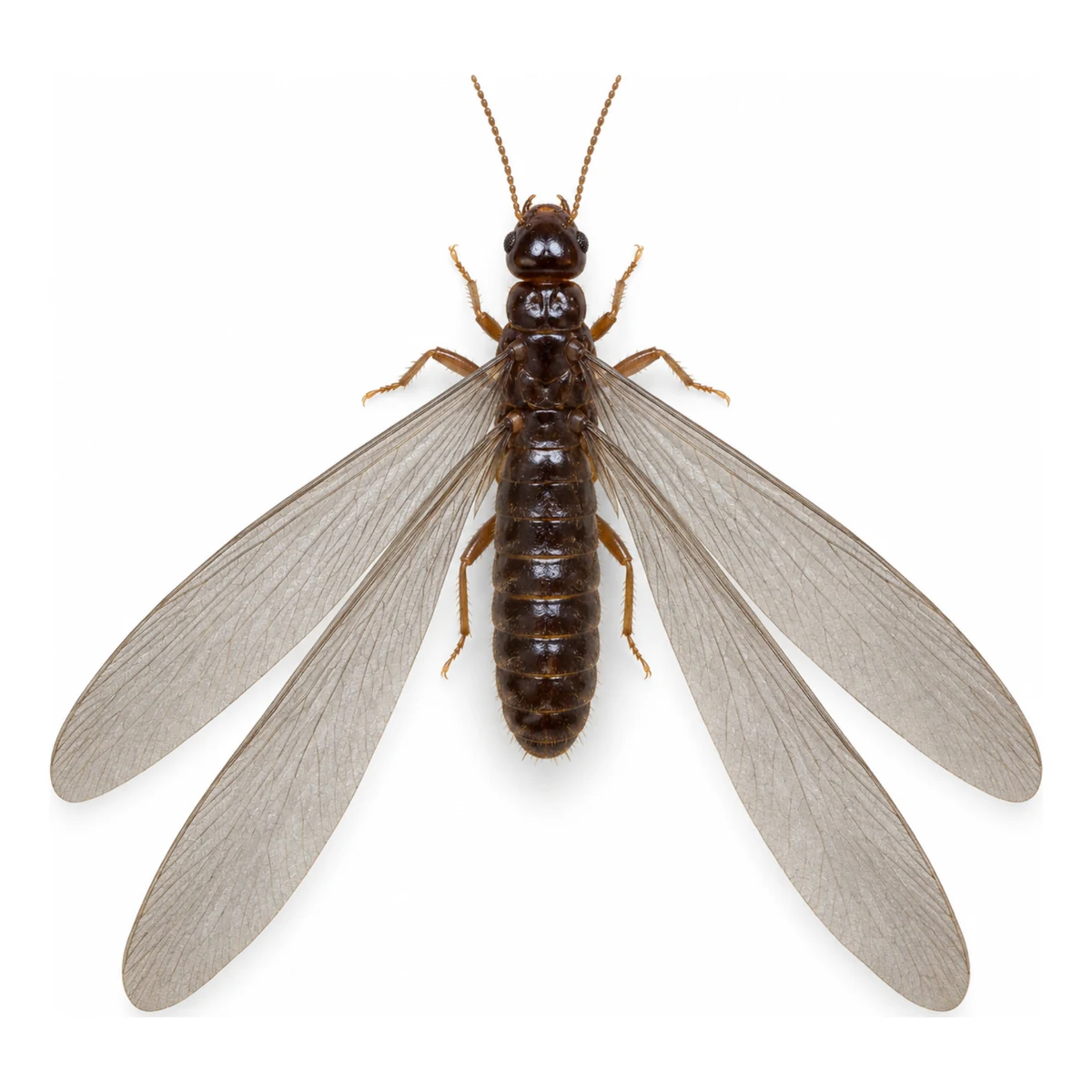
The winged kings and queens of the colony. They're dark brown to black with four long, clear to smoky wings. On a warm spring day, often after rain, thousands fly out to start new colonies, then drop their wings.
Size: About 3/8 inch with wings
Where you'll find them: Near windows, doors, light fixtures, bathtubs and anywhere they break out of a wall or floor in spring
Why it matters: Swarmers don't eat wood, but a swarm inside your home almost always means there's an active colony in or under the house.
Life Cycle of Termites
- 1
Swarm
In spring, winged swarmers fly from a mature colony. A male and female pair up, drop their wings and dig into moist soil to start a new colony.
- 2
Egg
The new queen lays a small batch of eggs. In time, a mature queen can lay thousands of eggs a year and live for many years.
- 3
Nymph
Pale young termites hatch and molt several times. Depending on what the colony needs, they grow into workers, soldiers or future swarmers.
- 4
Mature colony
It takes 3 to 5 years for a colony to grow large enough to swarm and do serious damage, which is why early detection matters.
Mistaken Identity: Termite Look-Alikes
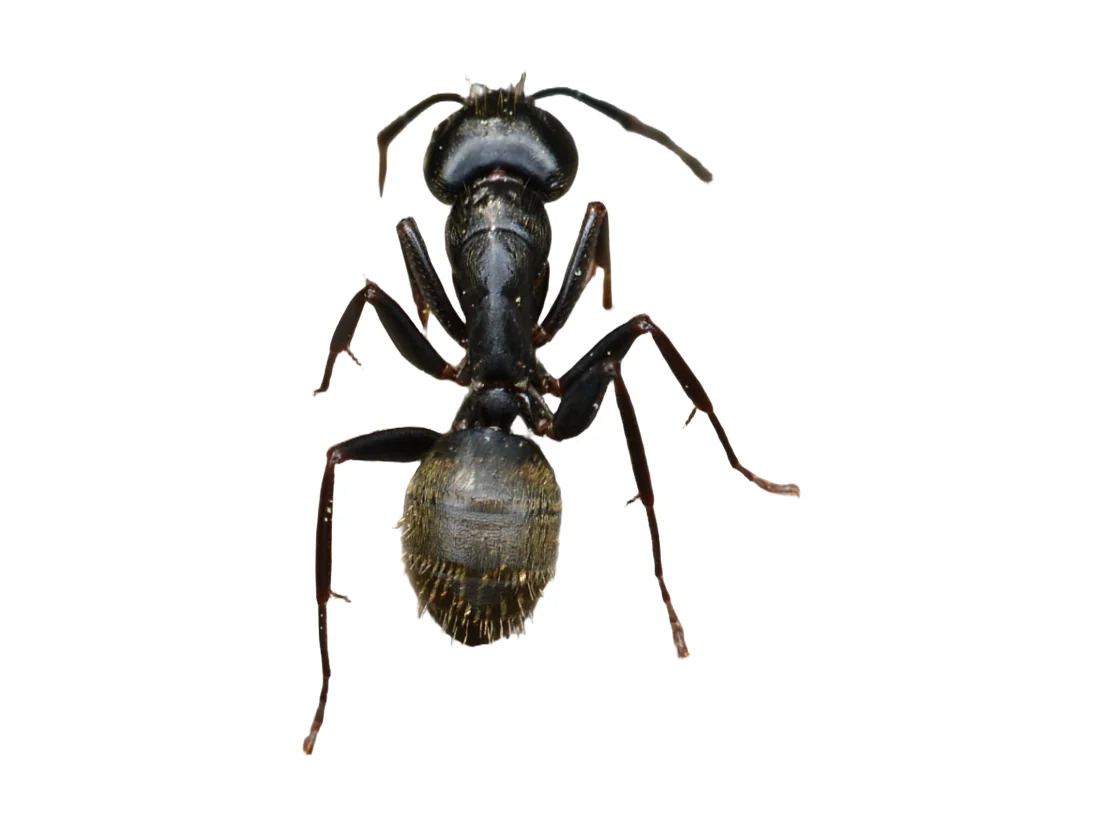
Carpenter Ants
Also damage wood, but they're black with a pinched waist and elbowed antennae. They leave piles of sawdust instead of mud.
Flying Ants
Swarm in spring too, but have a pinched waist, bent antennae and back wings that are smaller than the front wings.
Powderpost Beetles
Tiny wood-boring beetles that leave small round holes and fine, flour-like dust instead of mud tubes.
Signs of a Termite Problem
- Mud tubes on the foundation, piers or crawl space walls
- Swarmers or piles of shed wings inside in spring
- Wood that sounds hollow or has soil packed inside
- Bubbling paint, crumbling baseboards or soft floors
- Doors and windows that suddenly stick
How to Keep Termites Out
- Keep firewood, lumber and wood debris away from the house and off the ground.
- Leave a gap between mulch and the foundation, and keep soil from touching wood siding.
- Fix leaks and make sure gutters and downspouts carry water away from the foundation.
- Ventilate crawl spaces and use a vapor barrier to keep them dry.
- Get a professional termite inspection every year, and before buying a home.
How We Get Rid of Termites
Every termite job starts with a thorough inspection of your foundation, crawl space, basement and attic so we know where the colony is getting in and how much damage there is.
We protect your home with a liquid termiticide barrier in the soil around and under the foundation, termite bait stations that the colony carries back to the queen, or both, depending on your home's construction.
Termite protection comes with yearly inspections and a warranty, so if termites ever come back, we come back too. We can also provide the wood destroying insect report needed for home sales.