
Mosquitoes: Identification, Pictures and Treatment
The biters that ruin summer evenings in Bowling Green, the diseases they can carry and how to take back your yard
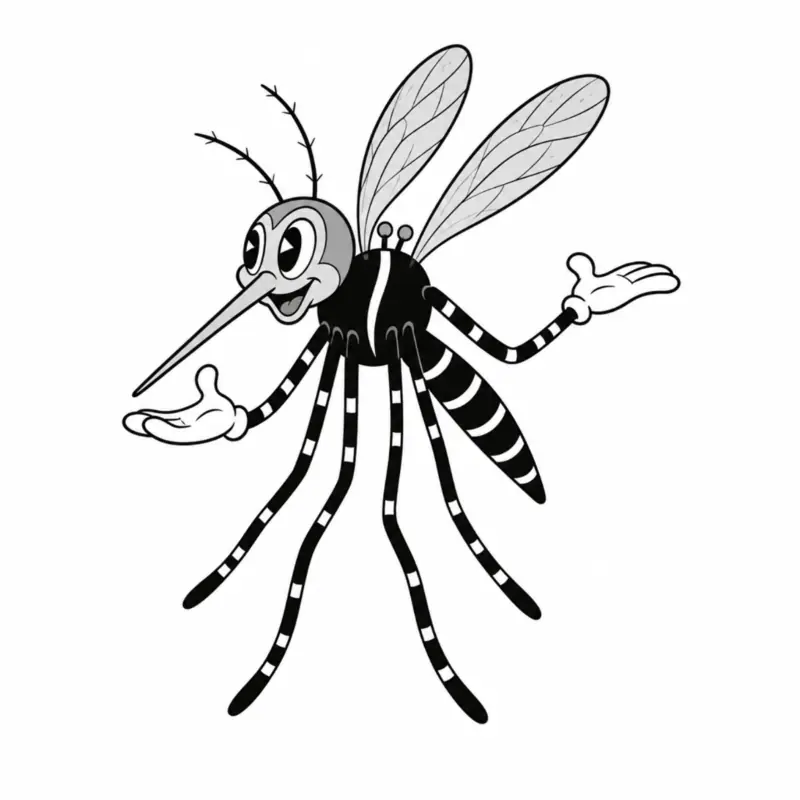
What Do Mosquitoes Look Like?
Types of Mosquitoes in Bowling Green
These are the mosquitoes we find most in Bowling Green yards. Tap a picture to jump to it.
Mosquito Facts
- Type:
- Small flies (insects)
- Size:
- 1/8 to 1/4 inch
- Legs:
- 6 long, thin legs
- Diet:
- Females drink blood, both sexes drink plant nectar
- Breeds in:
- Any standing water, even a bottle cap
- Egg to adult:
- As little as 7 to 10 days in summer
- Danger:
- Itchy bites, can spread West Nile and other viruses
- Common in Bowling Green:
- 5 kinds
Have a mosquito problem that needs fixing?
Table of Contents
- What do mosquitoes look like?
- Types of mosquitoes in Bowling Green
- How to identify mosquitoes
- Diseases
- Where they breed
- 1. Asian Tiger Mosquito
- 2. Northern House Mosquito
- 3. Inland Floodwater Mosquito
- 4. Eastern Treehole Mosquito
- 5. Common Malaria Mosquito
- Life cycle of mosquitoes
- Mosquito look-alikes
- Signs of a mosquito problem
- How to keep mosquitoes out
- How we get rid of mosquitoes
Mosquitoes are small flies that need standing water to breed. Only the females bite, because they need a blood meal to make eggs. Around Bowling Green they're active from about April through the first hard frost, and a single bottle cap of water can produce dozens of new mosquitoes in a week.
Different mosquitoes bite at different times and breed in different places. The Asian tiger mosquito bites all day and lives in containers around the house, while house and floodwater mosquitoes come out at dusk. This page shows the ones we find most here.
How to Identify Mosquitoes
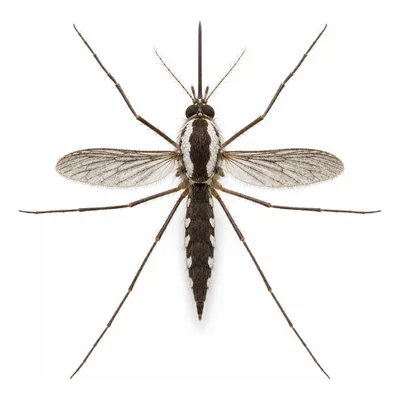
Mosquitoes have a slender body, long thin legs, one pair of narrow scaly wings and a long, needle-like mouthpart called a proboscis that sticks straight out from the head.
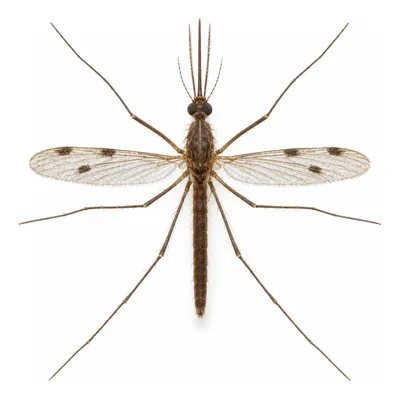
Males have big, bushy antennae and don't bite. Females have thinner antennae and do all the biting. Look at the markings to tell kinds apart: tiger mosquitoes are black with bright white stripes, house mosquitoes are plain tan and malaria mosquitoes have dark spots on the wings.
Diseases Mosquitoes Can Carry in Kentucky
Most mosquito bites are just itchy, but mosquitoes are the most dangerous animals in the world because of the germs they pass on. These are the ones that matter in Kentucky.
West Nile virus
The most common mosquito-borne disease in Kentucky, spread mainly by house mosquitoes. Most people have no symptoms, but some get fever, headache and, rarely, a serious brain infection.
La Crosse encephalitis
Spread by the eastern treehole mosquito and the Asian tiger mosquito. It's most serious in children and is found in wooded parts of Kentucky and Tennessee.
Eastern equine encephalitis
Rare but very serious. It shows up now and then in the eastern U.S. and can also infect horses.
Dog heartworm
Mosquitoes spread heartworm to dogs and cats. It's common in Kentucky, so pets should stay on a preventive all year.
Zika, dengue and malaria
Not spreading locally here, but the mosquitoes that can carry them do live in Kentucky, so travelers who come home sick can start local cases.
Where Mosquitoes Breed Around Your Home
Most mosquitoes biting you were born within a few hundred feet of where you're standing. Walk your yard once a week and dump anything holding water.
Containers
Buckets, flower pot saucers, kids' toys, tarps, wheelbarrows and old tires. Tiger mosquitoes love these.
Clogged gutters
Leaves in gutters and downspouts hold water for days after a storm.
Birdbaths and pet bowls
Change the water at least once a week.
Low spots and ditches
Puddles that last more than a few days after rain produce floodwater mosquitoes.
Tree holes and stumps
Rot holes in trees hold rainwater and breed treehole mosquitoes.
A Closer Look at Each Type
1. Asian Tiger Mosquito
Aedes albopictus
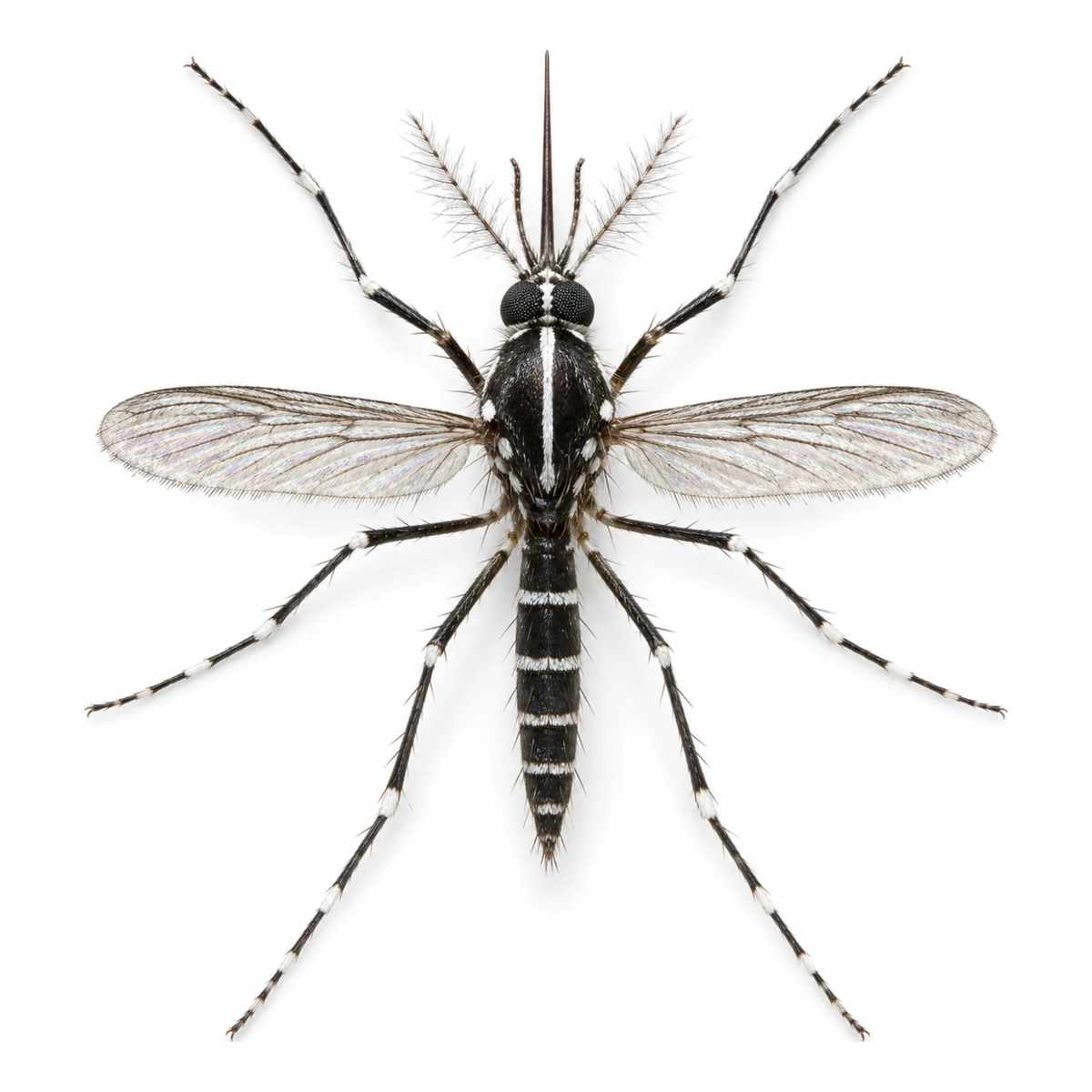
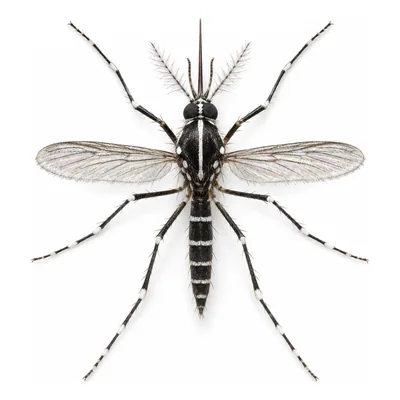
A small black mosquito with a single bright white stripe down the middle of its back and white bands on its legs. It's an invasive species that is now the most common biting mosquito in many Kentucky neighborhoods. It bites aggressively during the day, often around the ankles.
Size: About 1/4 inch
Where you'll find them: Shady yards near containers, flower pots, tires, gutters and anything else that holds a little water
Why it matters: Can carry La Crosse virus, dengue and Zika. It's the hardest to escape because it bites all day, not just at dusk.
2. Northern House Mosquito
Culex pipiens
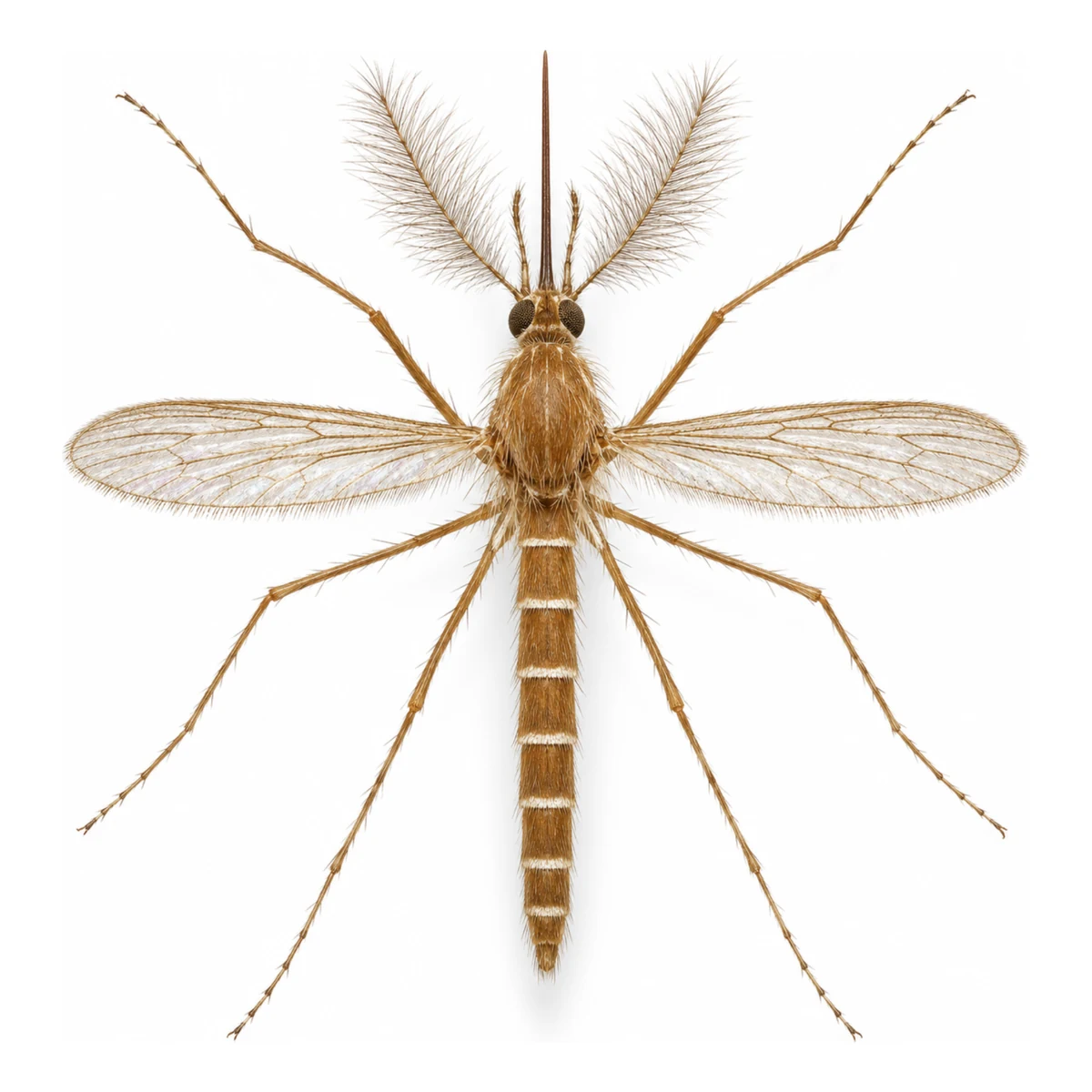
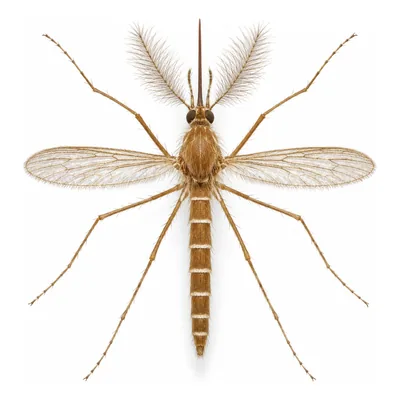
A plain light brown mosquito with pale bands on its abdomen and no stripes on its legs. It bites from dusk through the night and often comes indoors. This is the one you hear whining around your ear in bed.
Size: About 3/16 inch
Where you'll find them: Storm drains, clogged gutters, septic areas and other dirty standing water near homes
Why it matters: The main carrier of West Nile virus in Kentucky. It feeds on birds as well as people, which helps the virus spread.
3. Inland Floodwater Mosquito
Aedes vexans
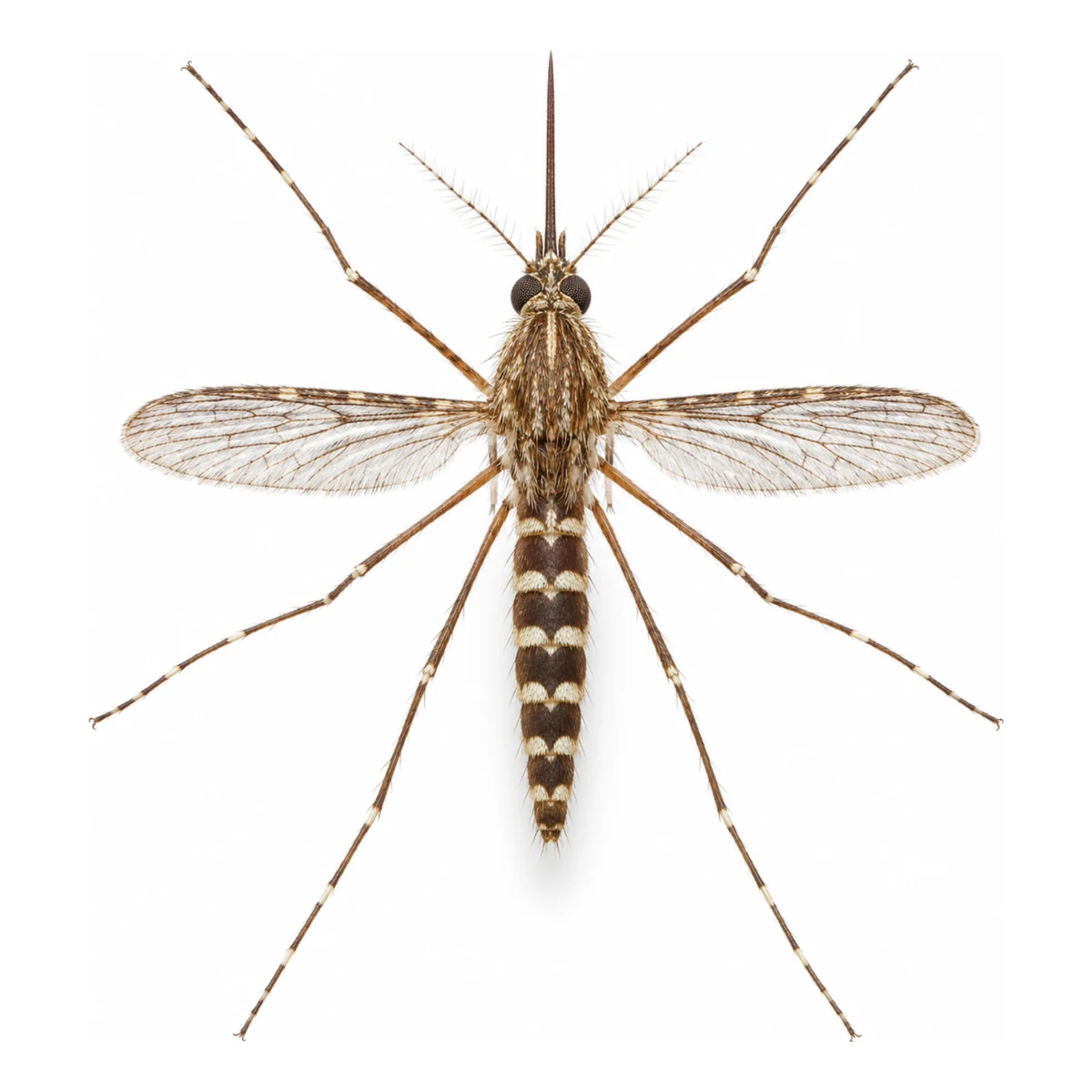
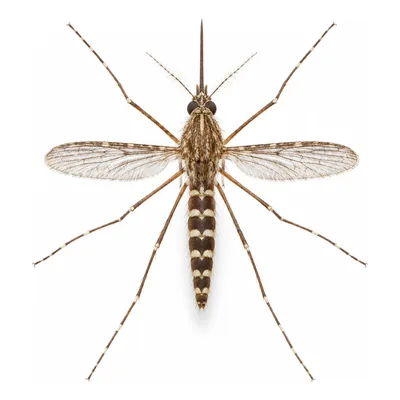
A brown mosquito with notched white bands across its abdomen and pale rings on its legs. It lays eggs in damp soil that hatch when it floods, so huge numbers can appear about a week after big summer storms.
Size: About 1/4 inch
Where you'll find them: Low spots, ditches and fields that flood after heavy rain
Why it matters: A fierce biter at dusk and dawn that can fly miles from where it hatched. It can carry West Nile virus and dog heartworm.
4. Eastern Treehole Mosquito
Aedes triseriatus
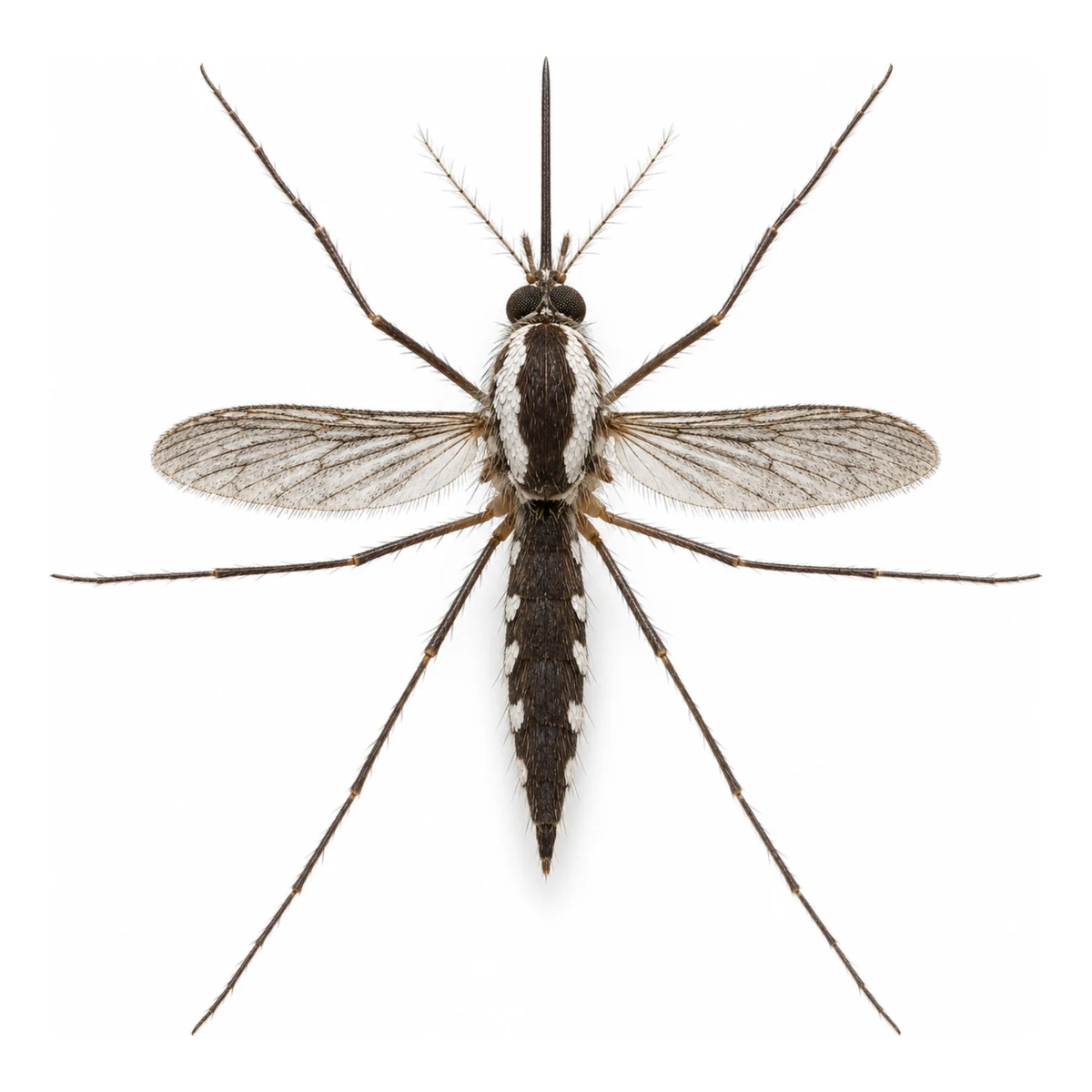
A dark mosquito with silvery-white patches along the sides of its back. It breeds in water that collects in tree holes and tires, and bites during the day in shady, wooded areas.
Size: About 1/4 inch
Where you'll find them: Wooded yards, rot holes in trees, stumps and old tires
Why it matters: The main carrier of La Crosse encephalitis, which mostly affects children.
5. Common Malaria Mosquito
Anopheles quadrimaculatus
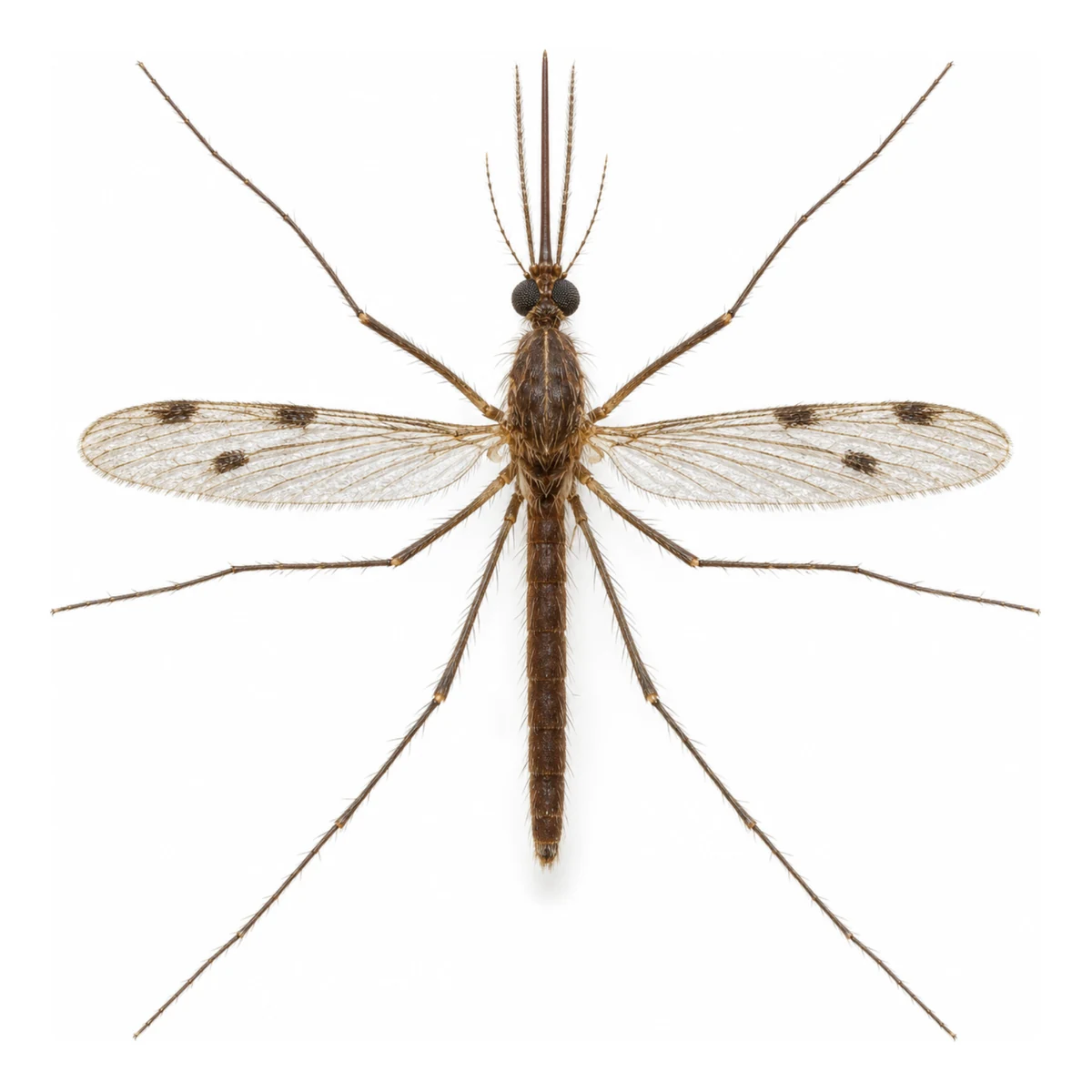
A slender dark brown mosquito with four dark spots on each wing and long palps beside the proboscis. It rests with its tail tipped up in the air instead of parallel to the surface like other mosquitoes.
Size: About 1/4 inch
Where you'll find them: Ponds, marshes and slow streams with lots of plants, especially near the Barren River and farm ponds
Why it matters: Malaria no longer spreads in Kentucky, but this mosquito can still carry it. It's mostly a nighttime nuisance near water.
Life Cycle of Mosquitoes
- 1
Egg
Females lay eggs on or just above water, either in floating rafts or one at a time on the sides of containers. Some eggs survive dry for months and hatch when it rains.
- 2
Larva
Wigglers hatch and live in the water, feeding on bits of organic matter and coming to the surface to breathe. This stage lasts about 4 to 10 days.
- 3
Pupa
Tumblers float at the surface for 1 to 3 days while they turn into adults. They don't eat.
- 4
Adult
Adults come out of the water and mate. Females look for blood, then lay up to 300 eggs at a time. Adults live about 2 to 4 weeks in summer.
Mistaken Identity: Mosquito Look-Alikes
Crane Flies
Look like giant mosquitoes with very long legs, but they don't bite. They're harmless and often called mosquito hawks.
Midges
Small, mosquito-like flies that swarm near water. Most don't bite and they have no long proboscis.
Fungus Gnats
Tiny dark flies around houseplants. Weak fliers that don't bite.
Signs of a Mosquito Problem
- Itchy, red bumps on arms, legs and ankles, especially after time outside
- Whining sound near your ears at night
- Mosquitoes landing on you in shady spots during the day (tiger mosquitoes)
- Wigglers swimming in buckets, birdbaths or gutters
- More mosquitoes about a week after heavy rain
How to Keep Mosquitoes Out
- Dump standing water around the yard once a week, including saucers, toys, tarps and wheelbarrows.
- Clean gutters and make sure downspouts drain away from the house.
- Change birdbath and pet water every few days.
- Keep window and door screens in good repair.
- Trim back thick shrubs and tall grass where mosquitoes rest during the day.
- Wear an EPA-registered repellent like DEET, picaridin or oil of lemon eucalyptus outside.
How We Get Rid of Mosquitoes
We walk your property to find and remove breeding sites, then treat any water that can't be dumped with a larvicide that stops wigglers from becoming biters.
We treat the shady shrubs, fences and plants where adult mosquitoes rest during the day, which knocks down the biters already in your yard.
Mosquito service runs every few weeks from spring through fall, so the barrier stays strong all season and new mosquitoes don't take over again.